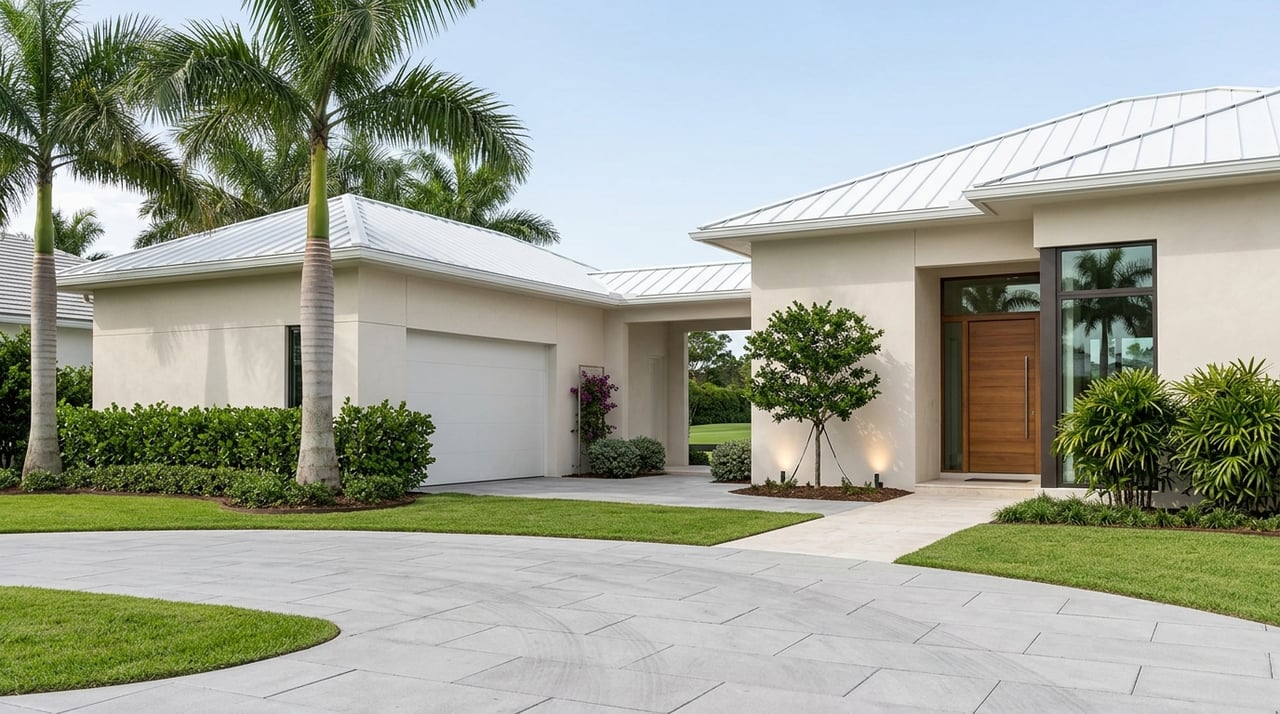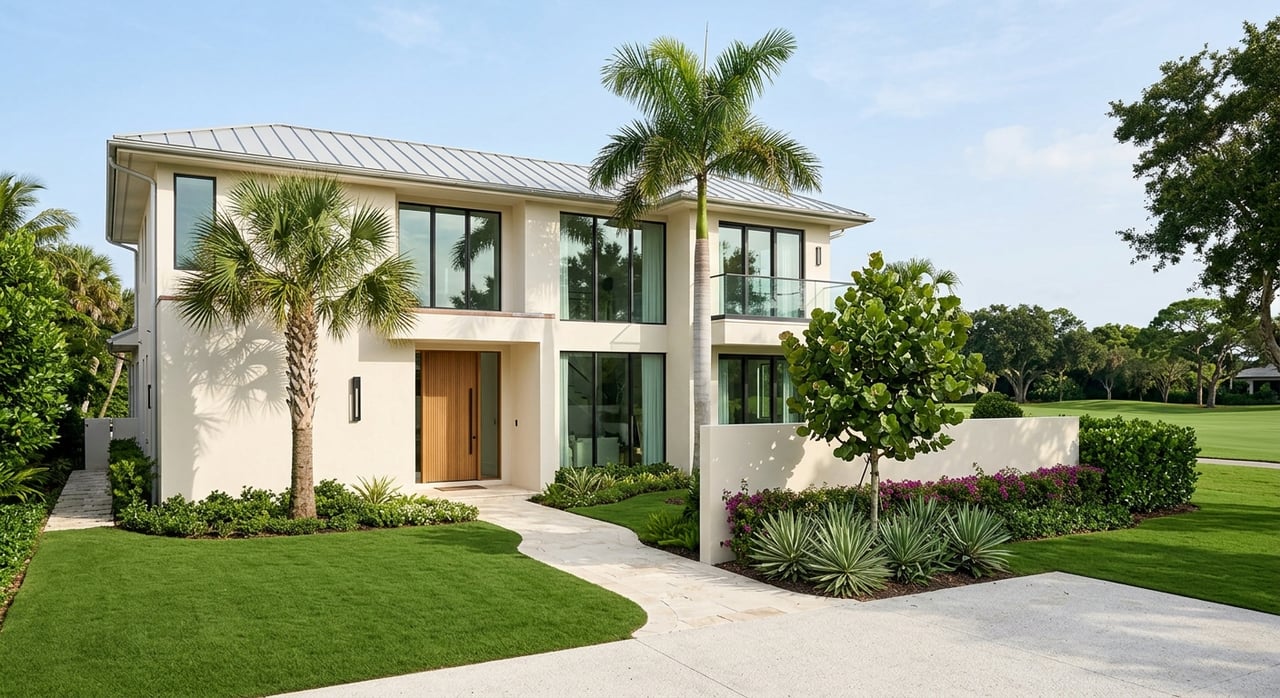
Dreaming of waterfront sunsets and boat days but not sure whether bayfront or gulf-front living suits you best? You are not alone. In Bonita Springs, the shoreline options feel similar at first glance, yet day-to-day life can look very different depending on where you buy. In this guide, you will learn the key trade-offs in boating access, permitting, shoreline upkeep, lifestyle, and insurance so you can choose with confidence. Let’s dive in.
Bayfront vs gulf-front basics
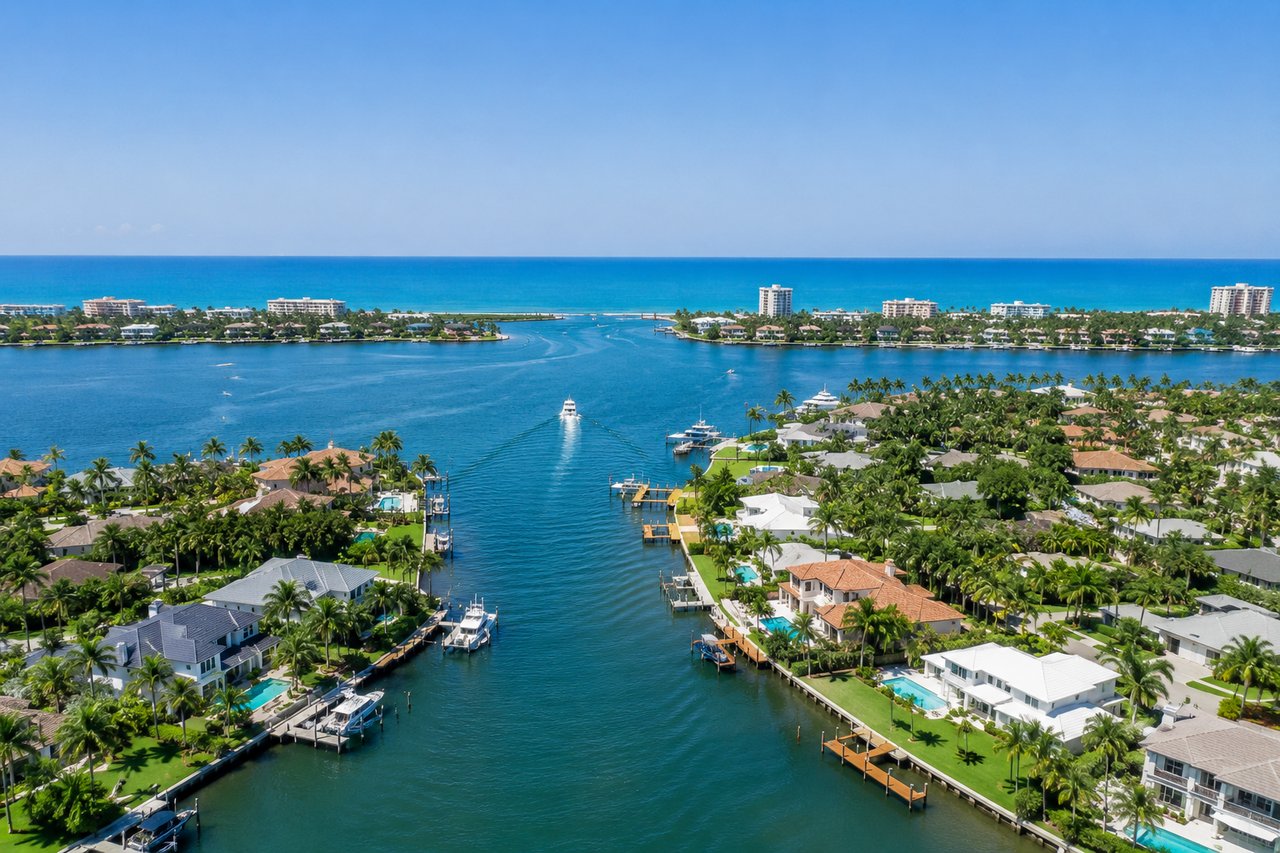
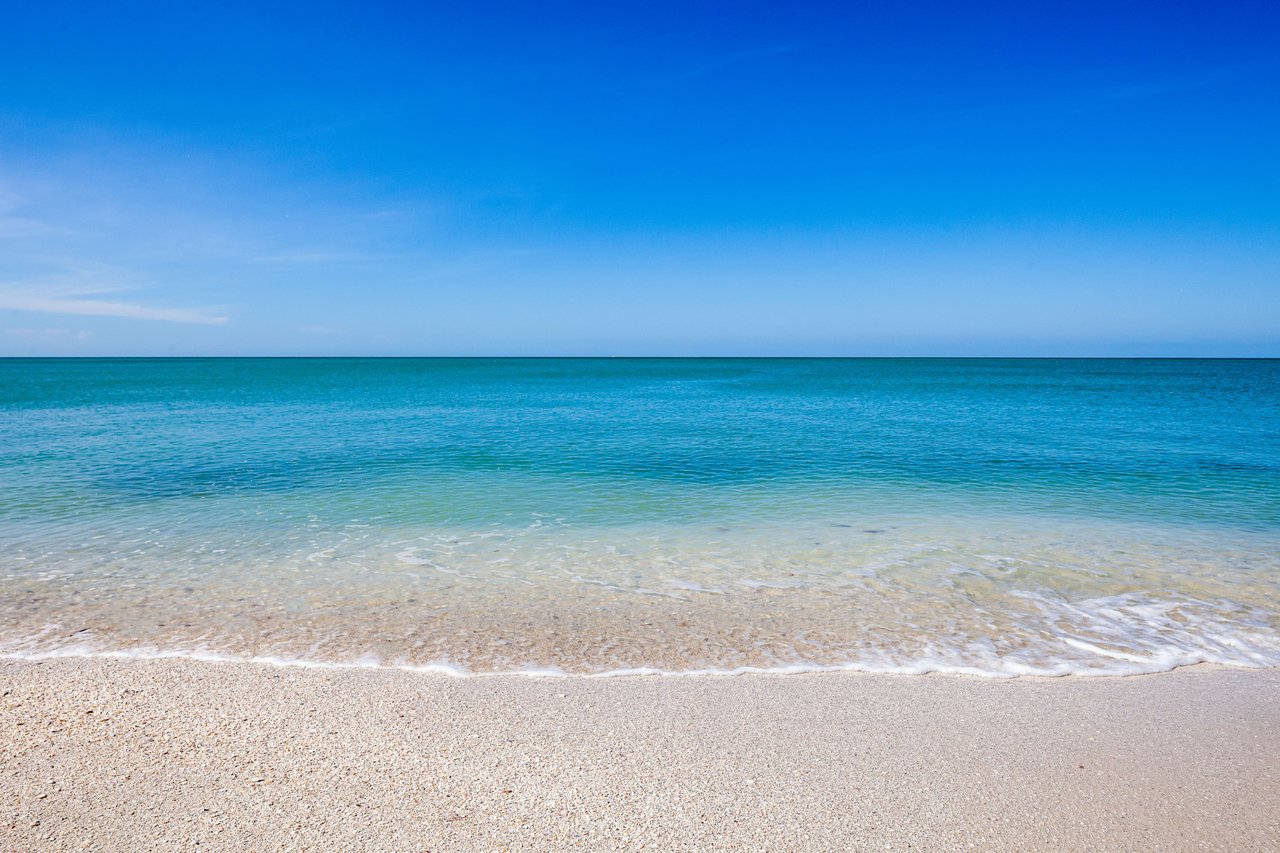
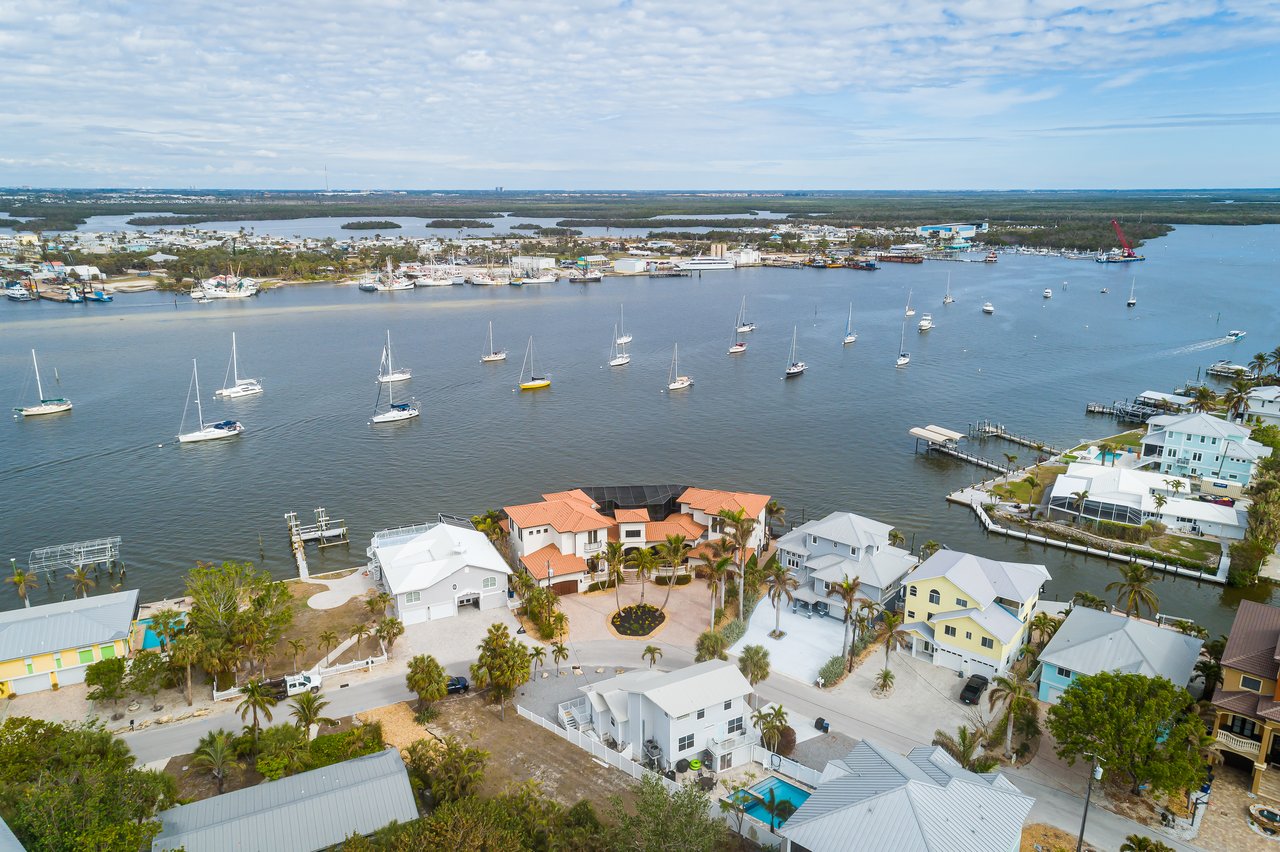
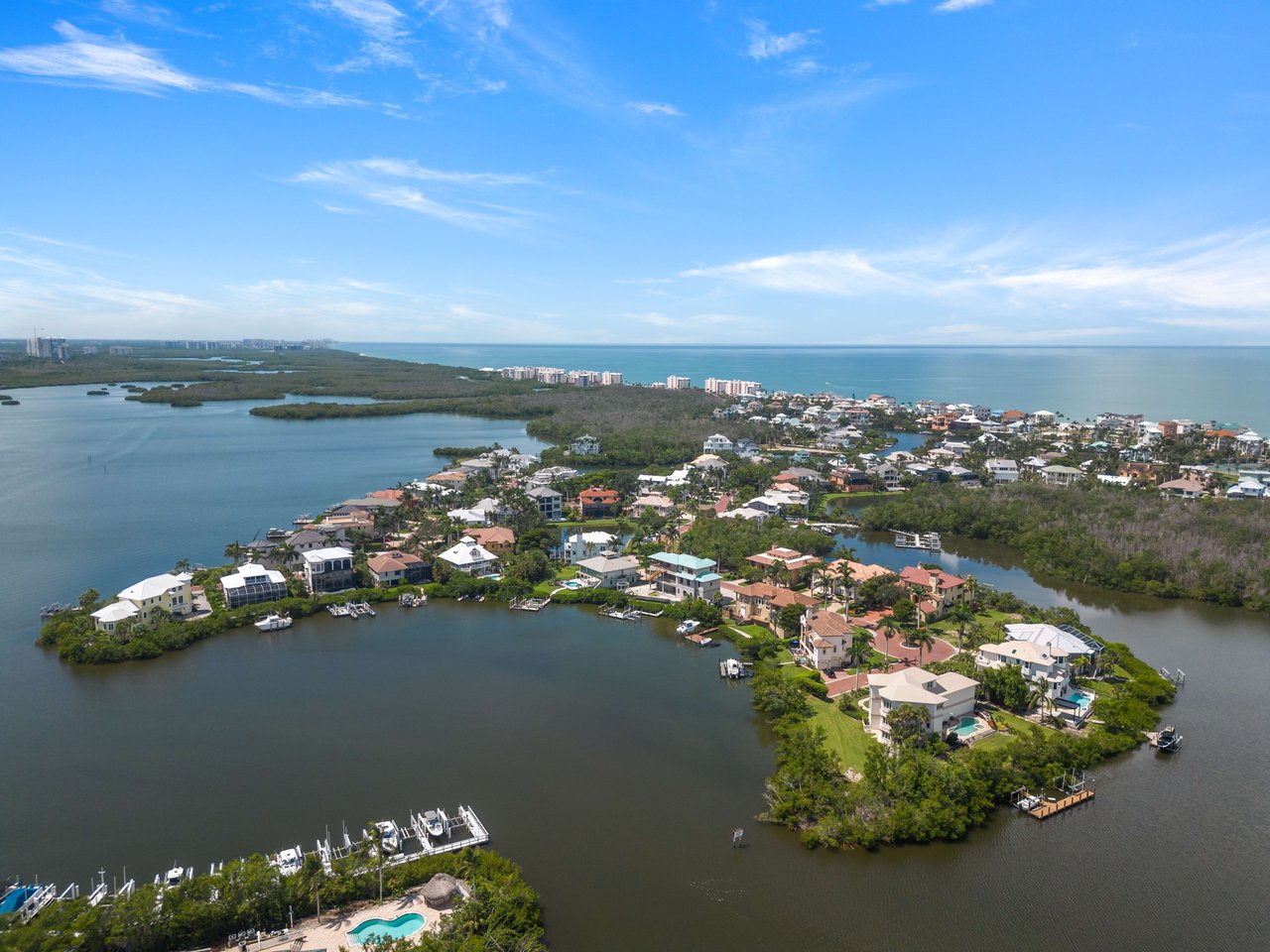
Bonita Springs sits between the Gulf of Mexico along Bonita Beach and the protected waters of Estero Bay, with channels, mangrove shorelines, and tidal creeks woven throughout. Properties marketed as bayfront typically front Estero Bay or interior waterways. Gulf-front properties sit directly on Bonita Beach or adjacent Gulf shoreline.
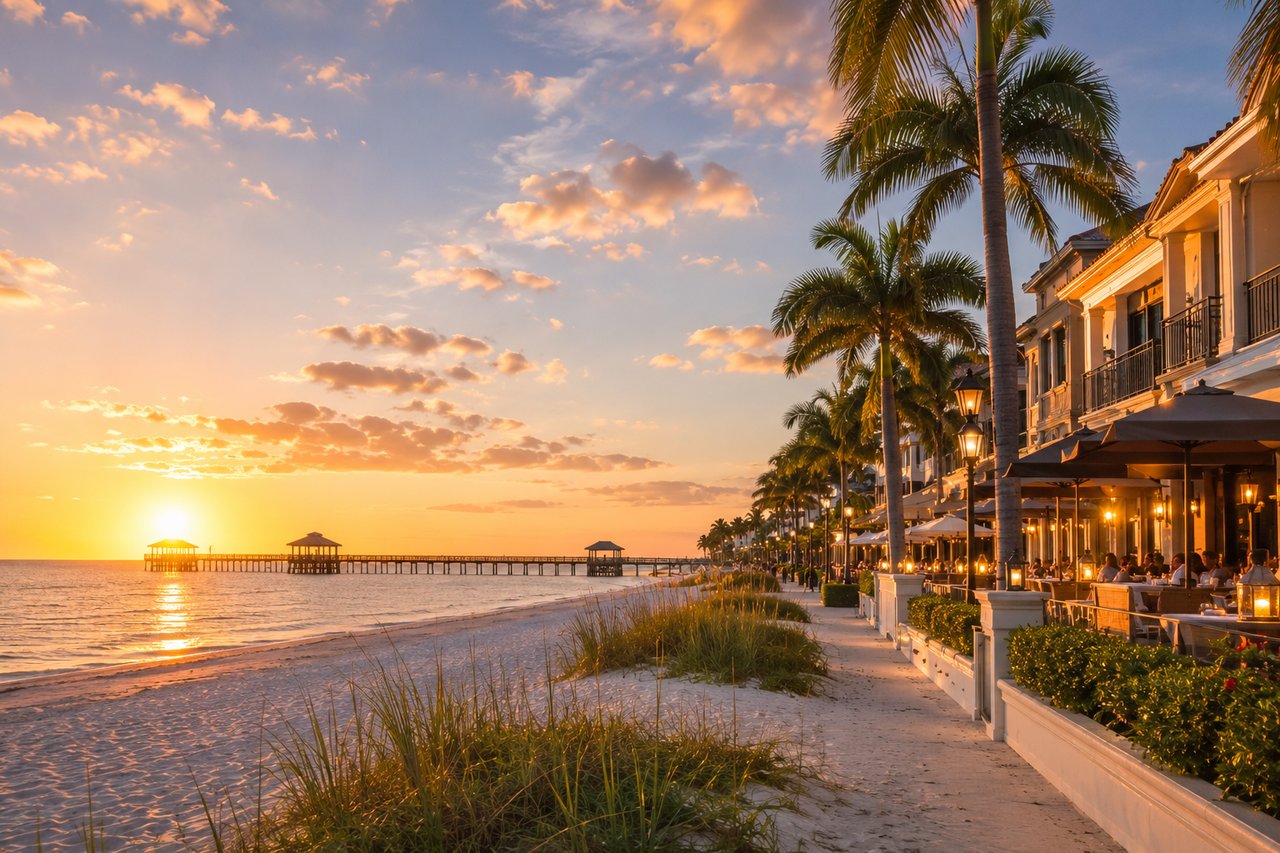
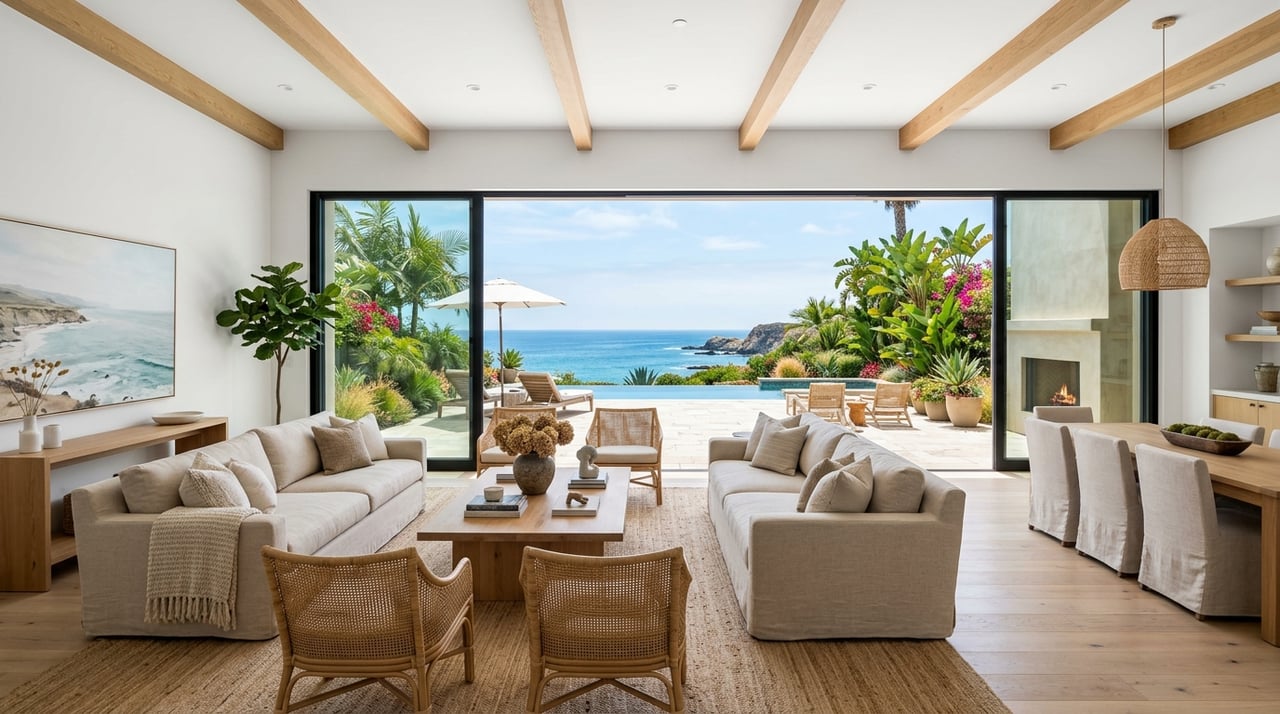
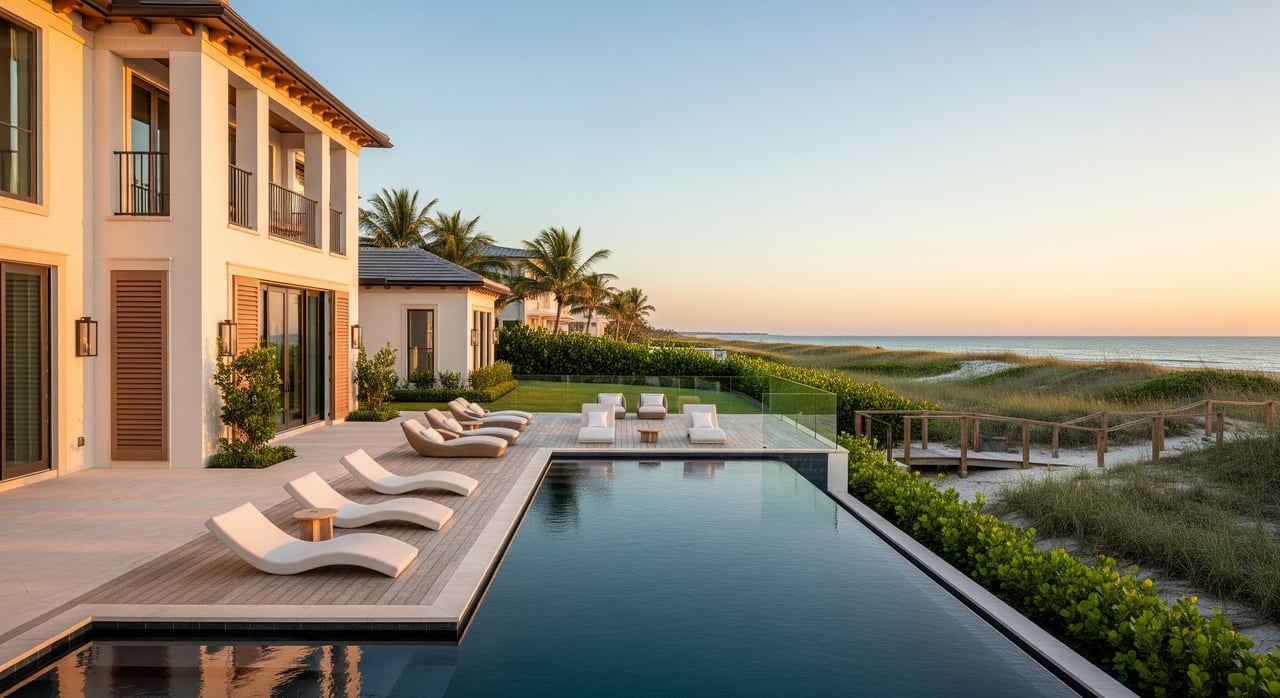
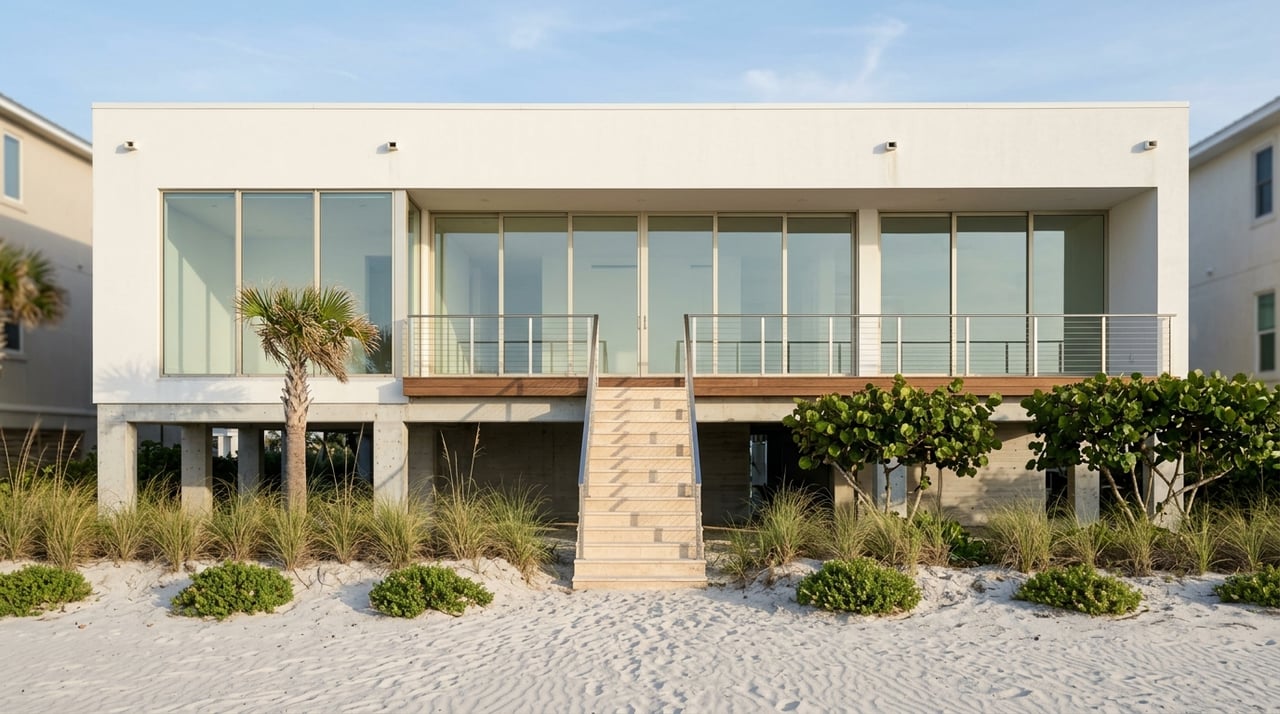
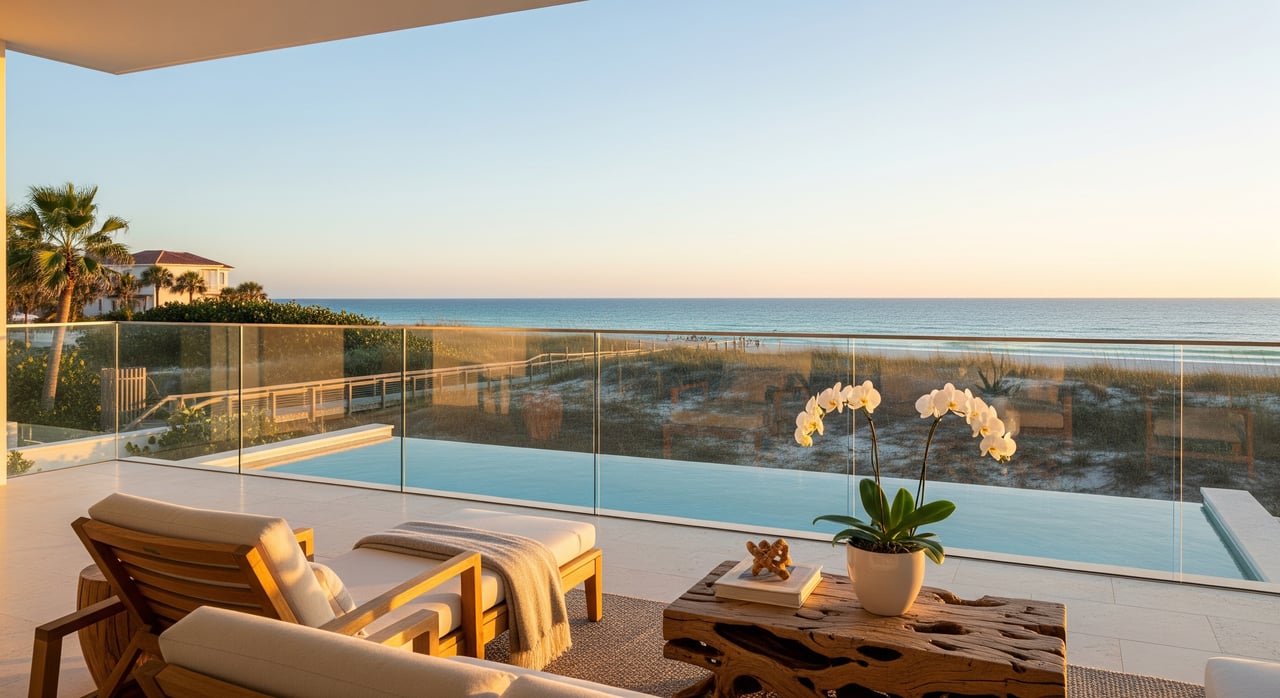
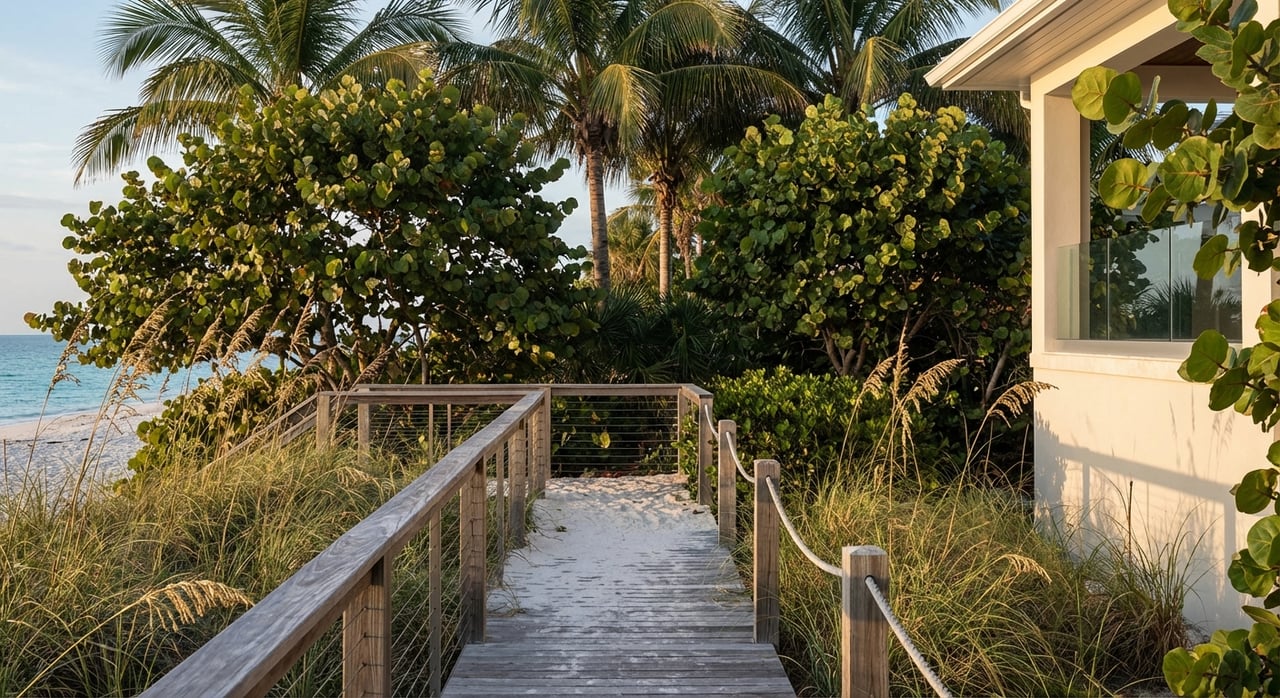
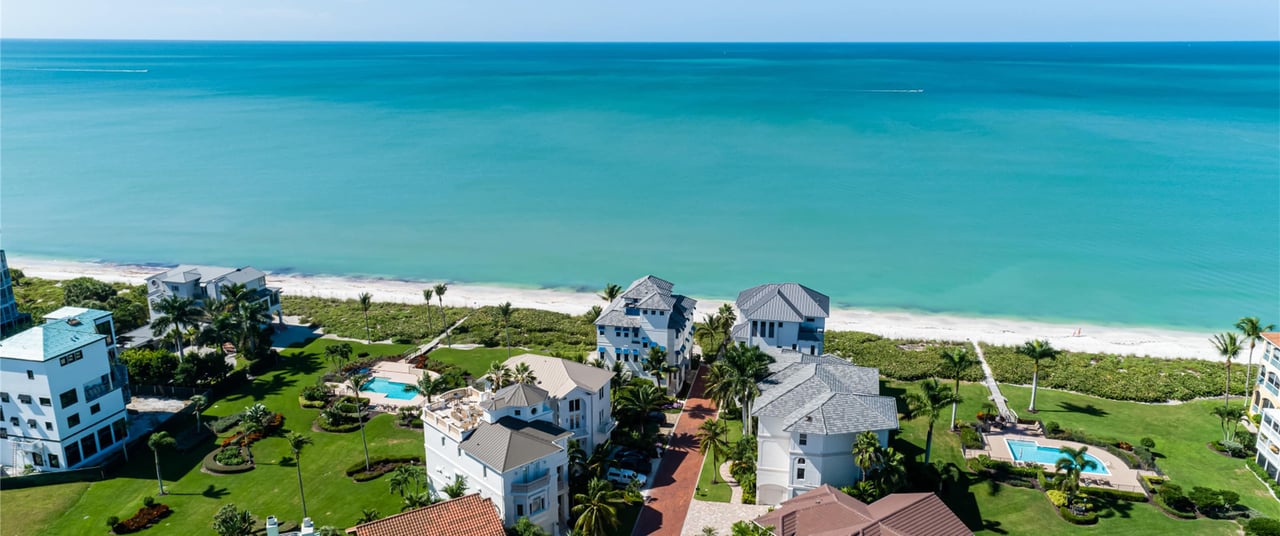
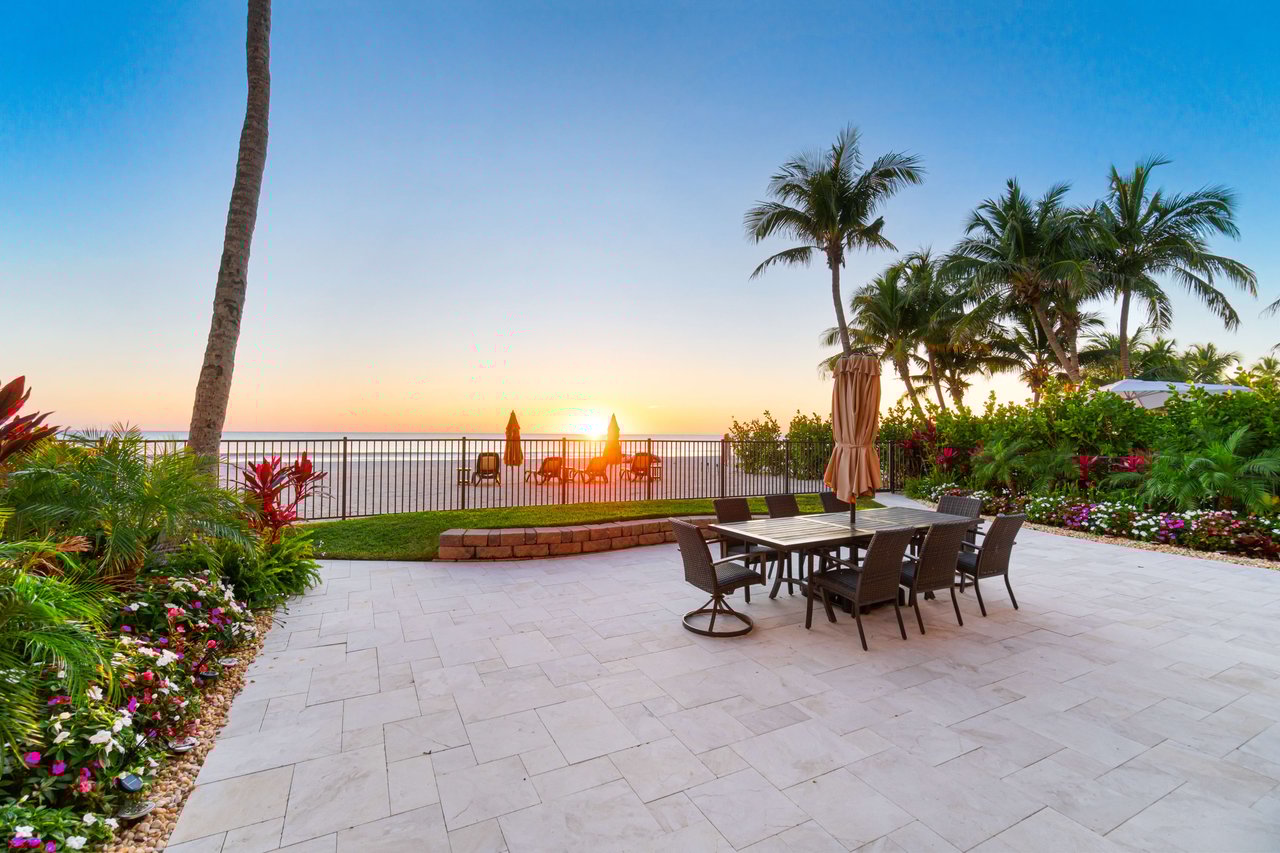
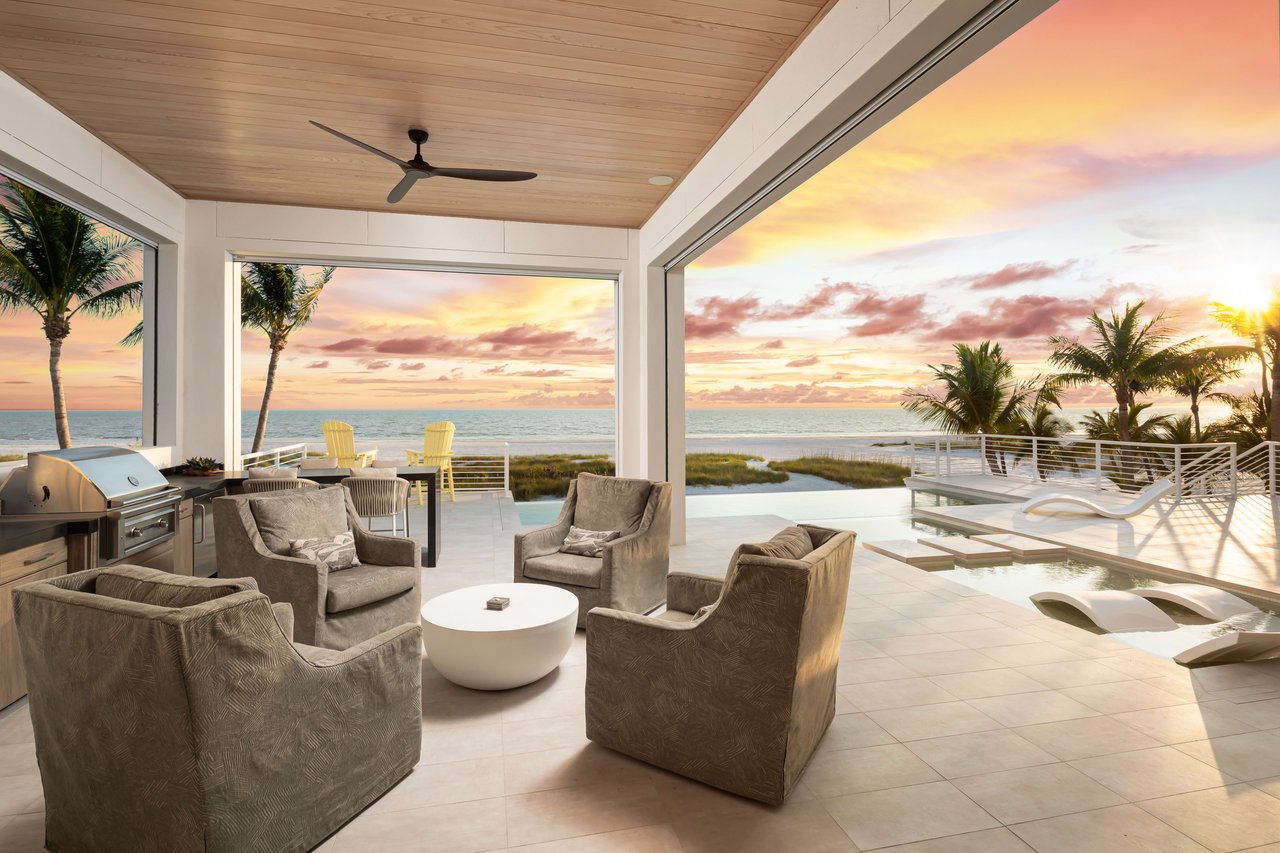
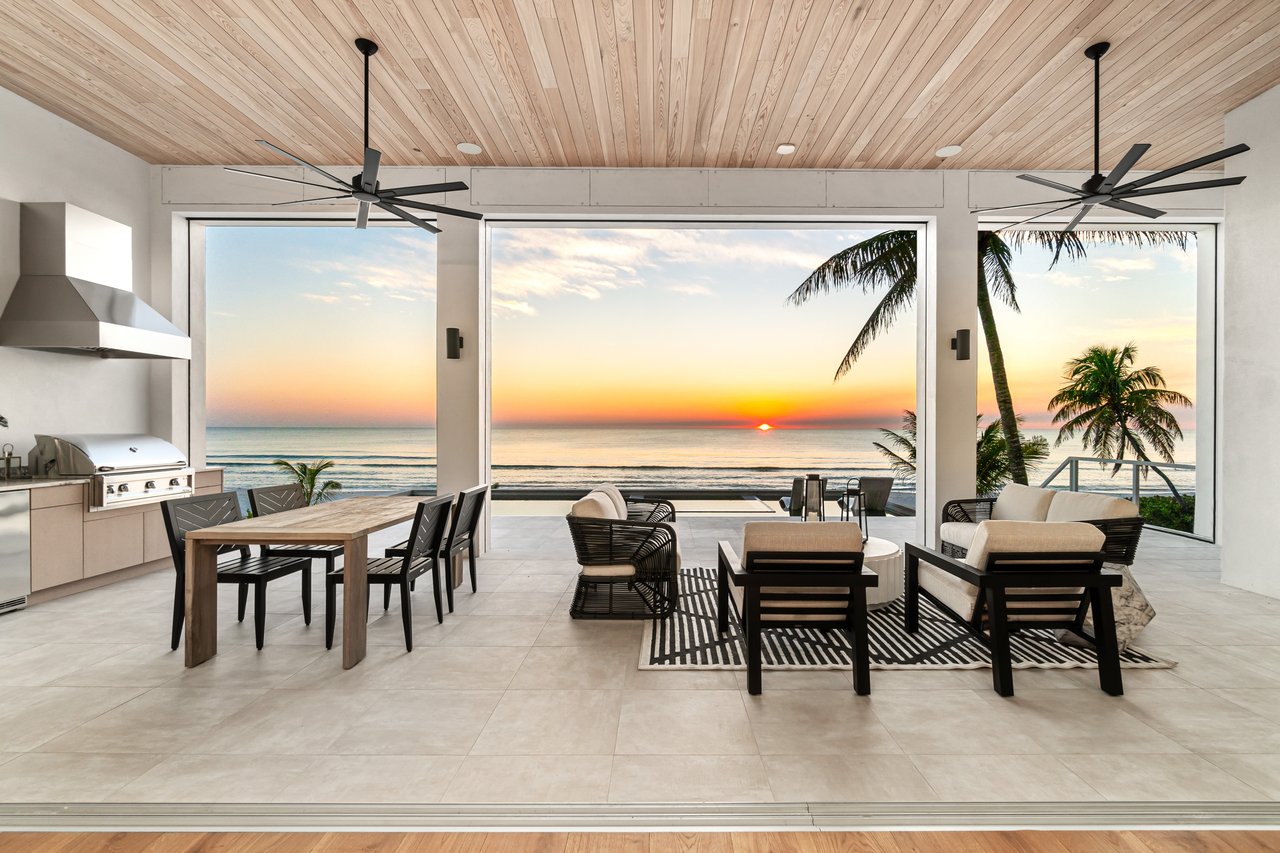
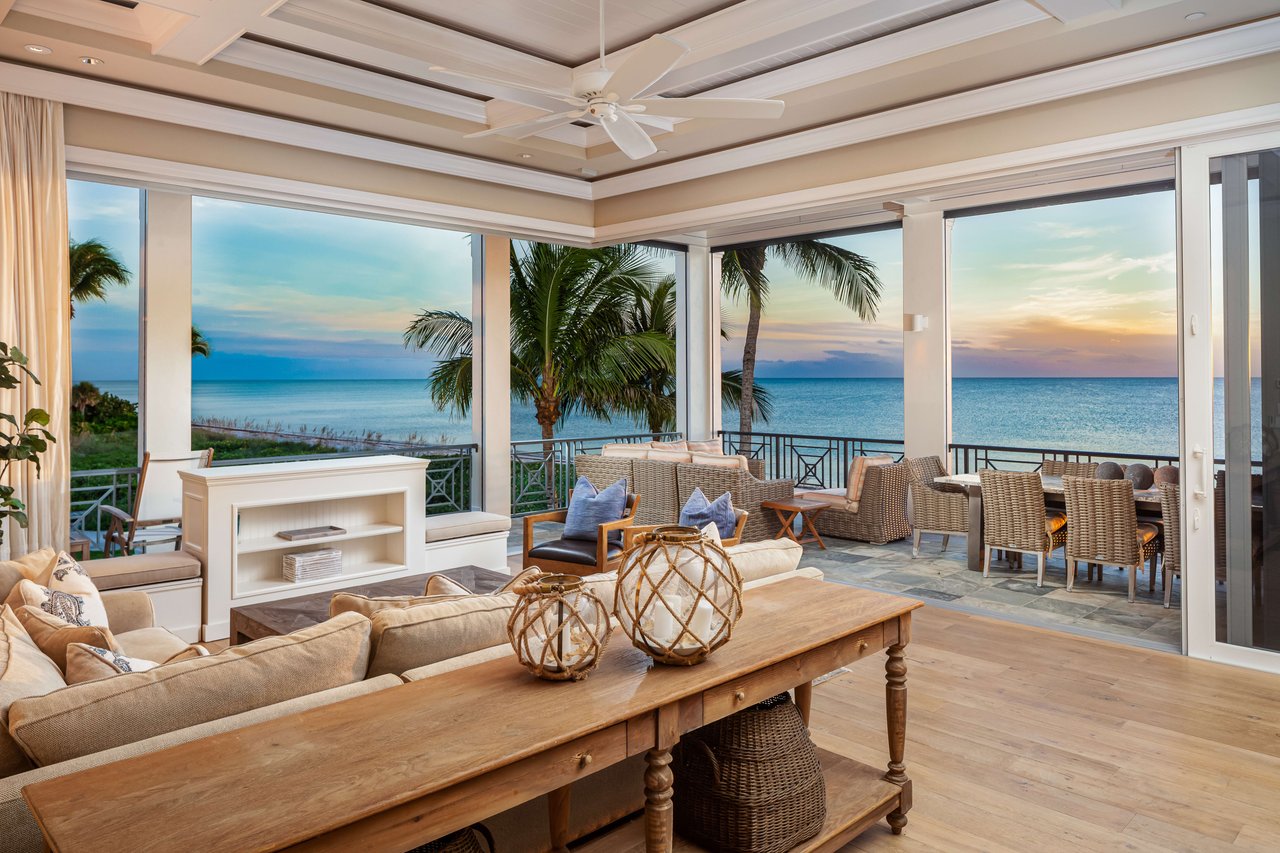
- Gulf-front often delivers open-water horizons and true west-facing sunsets. You also get sandy beach access and the classic beach lifestyle.
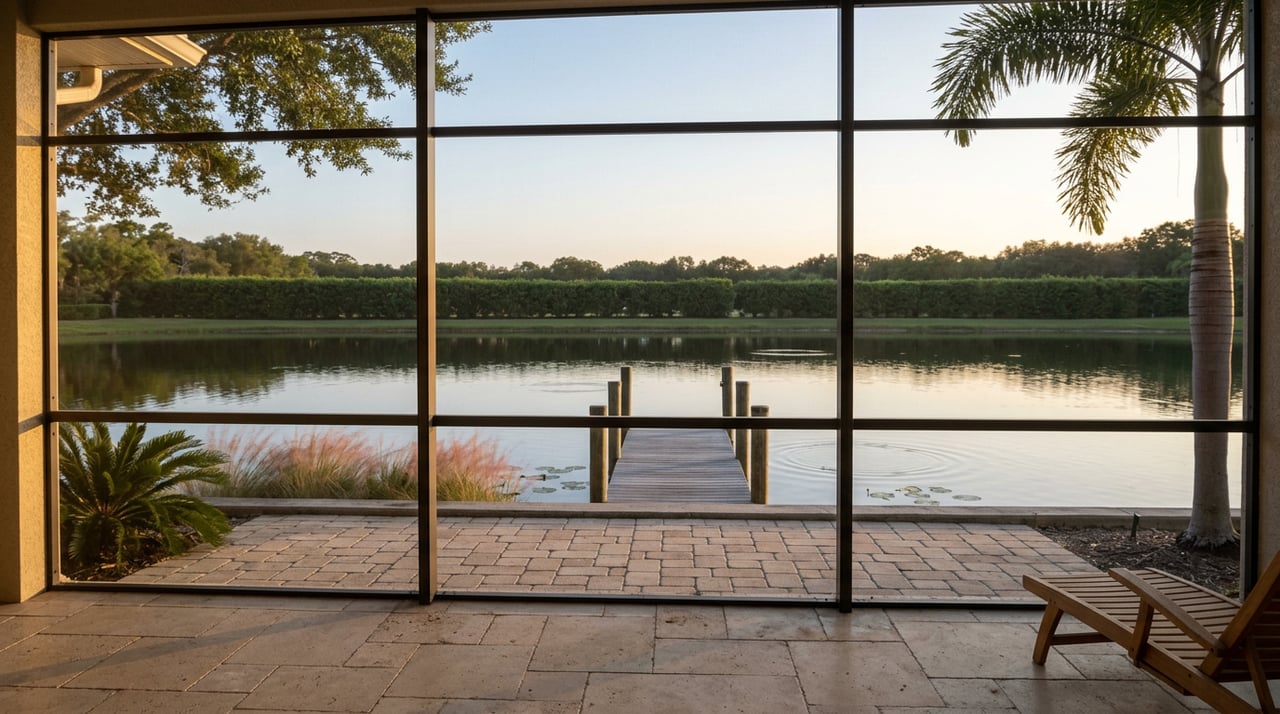
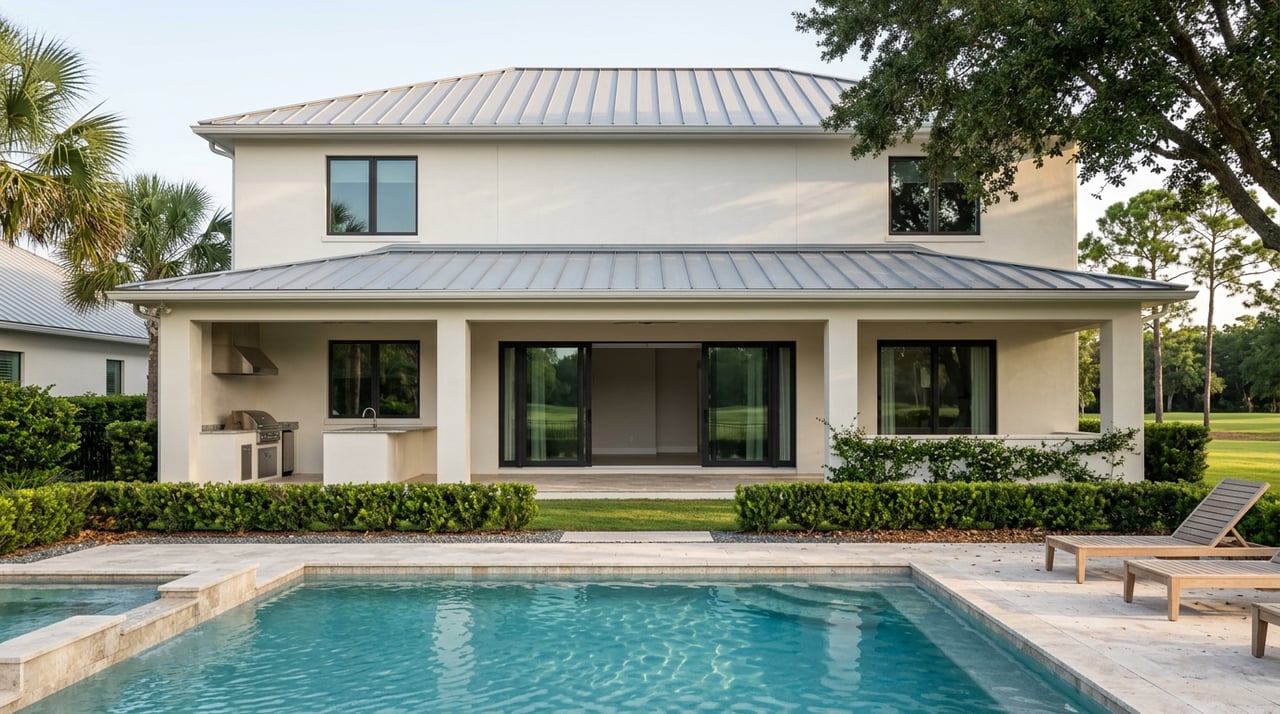
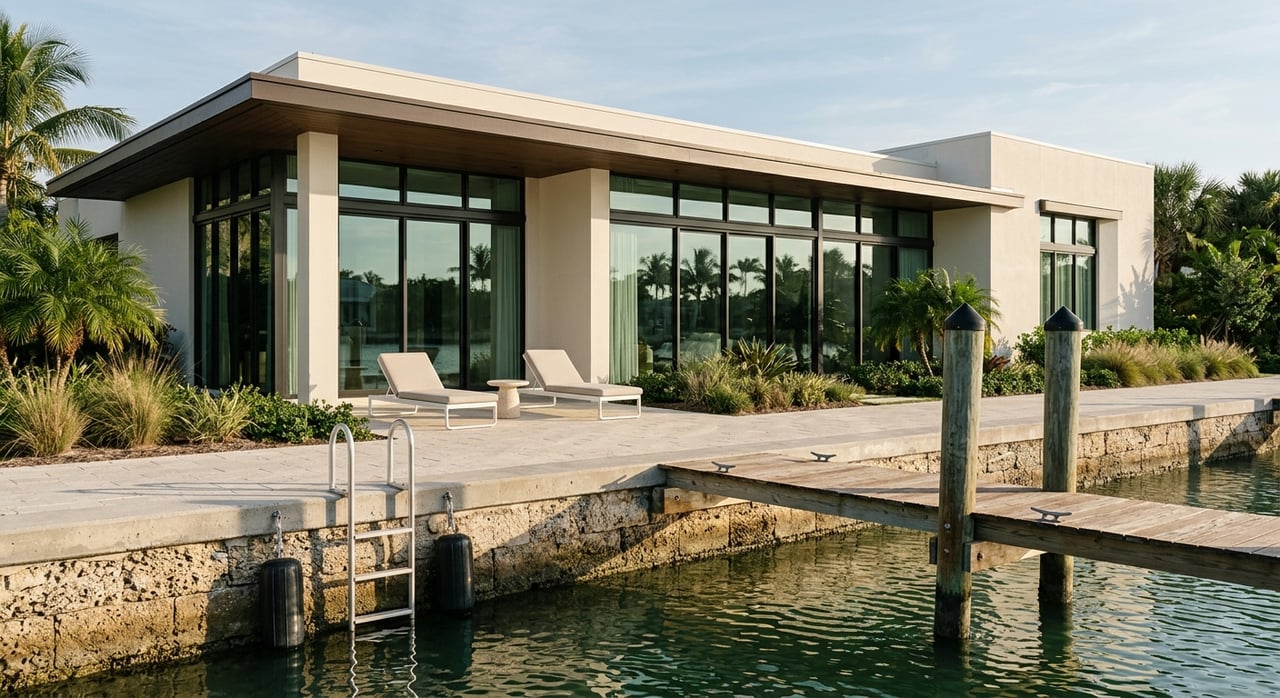
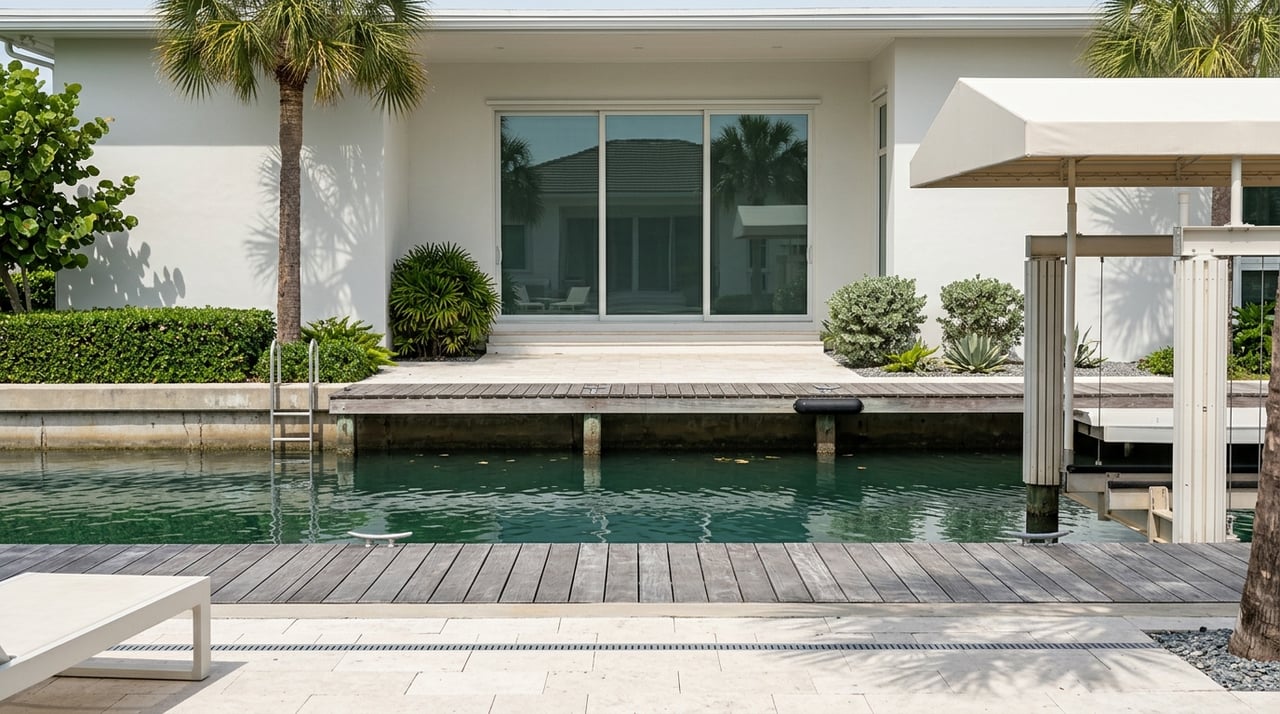
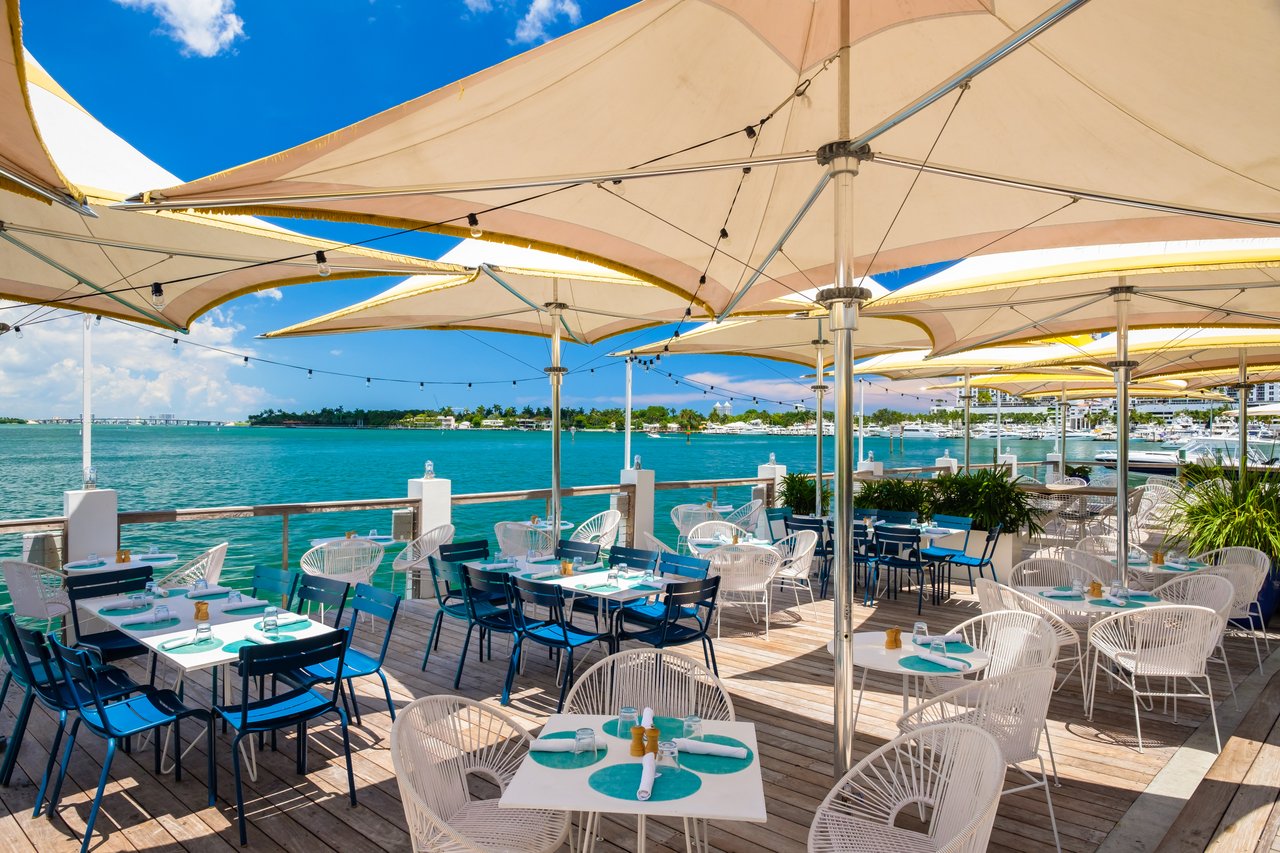
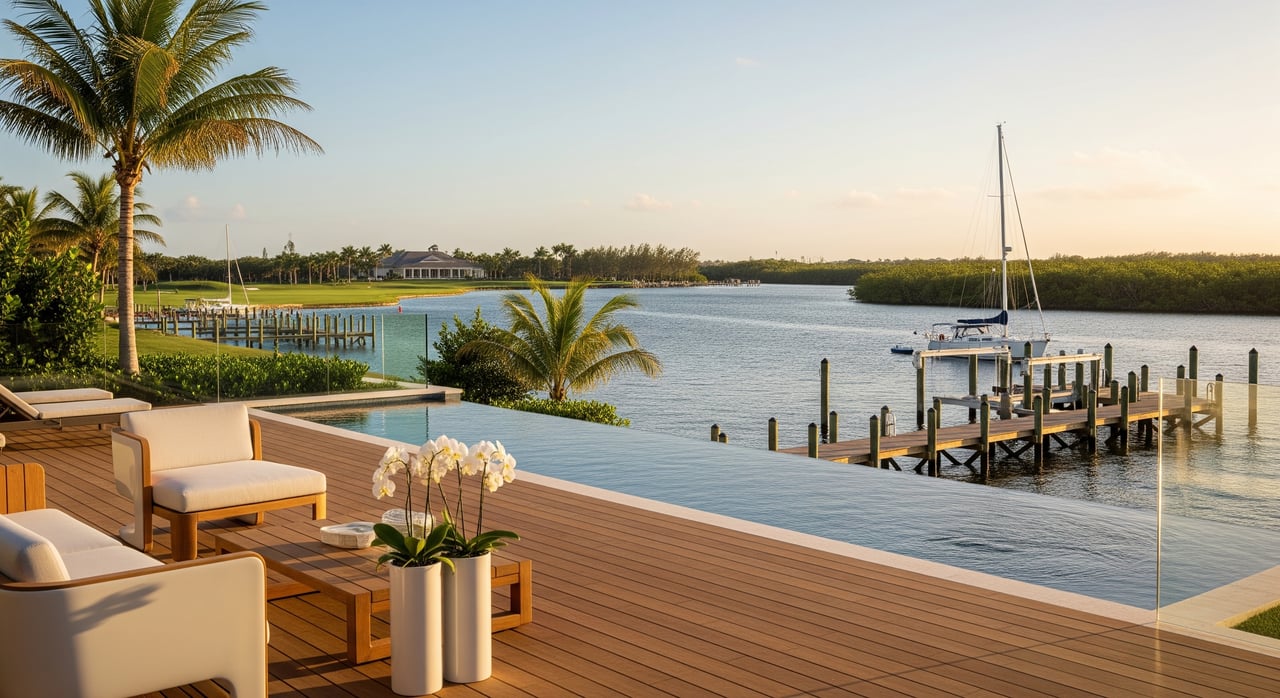
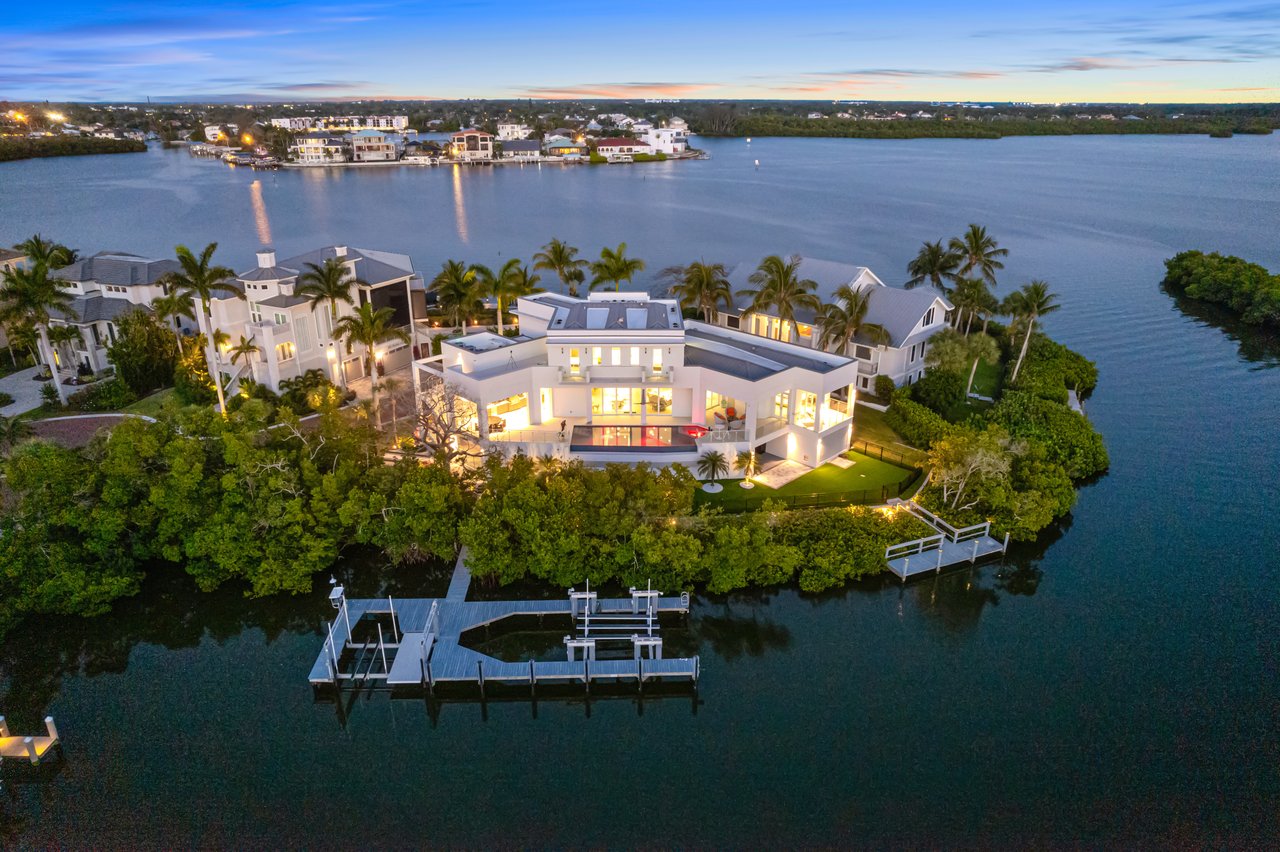
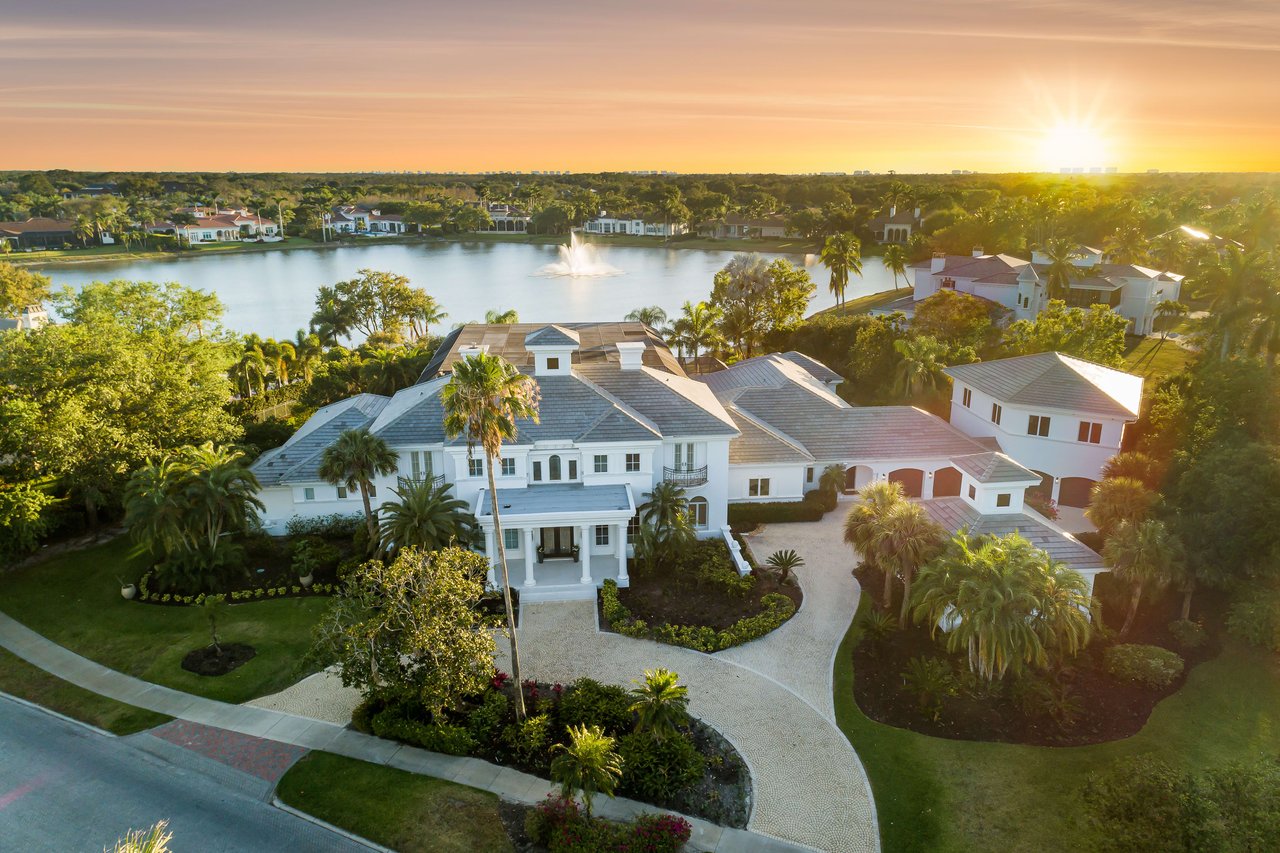
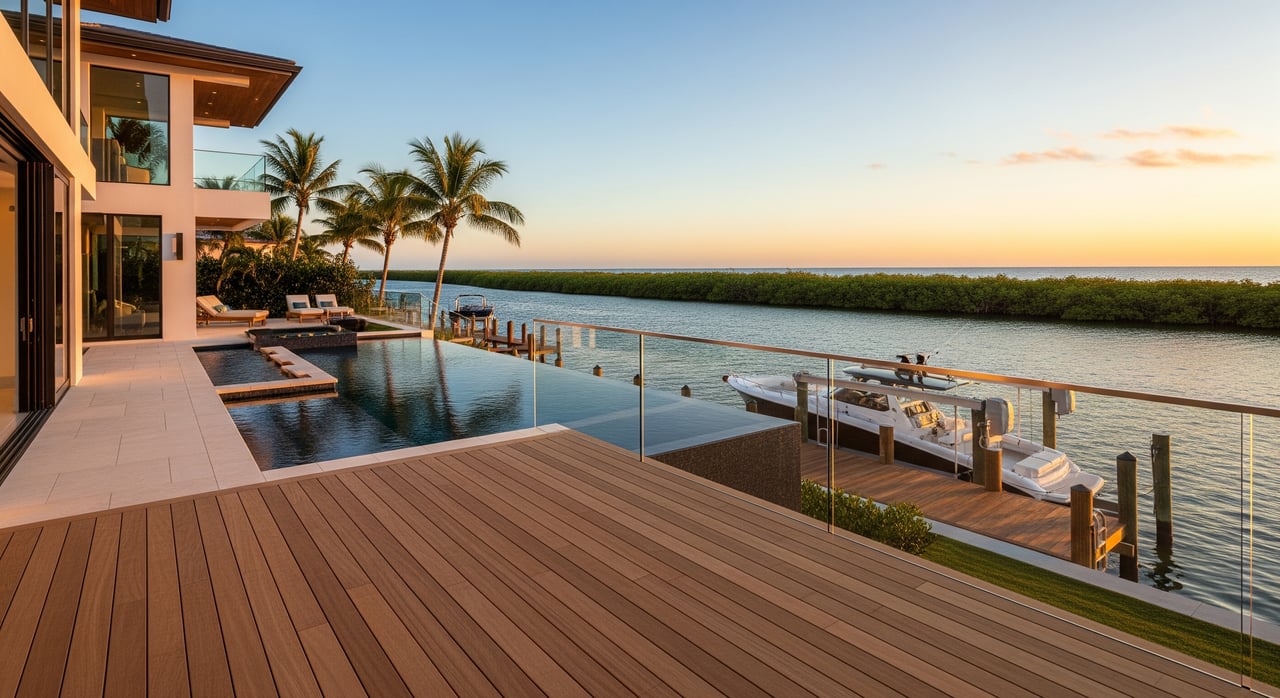
- Bayfront offers calmer water, sheltered boating, and private dock potential in many locations, subject to permits and environmental rules.
- Tides in Southwest Florida are modest, commonly about 1 to 2 feet, but they still impact dock height, boat clearance, and water depth at low tide.
Boating and dock access
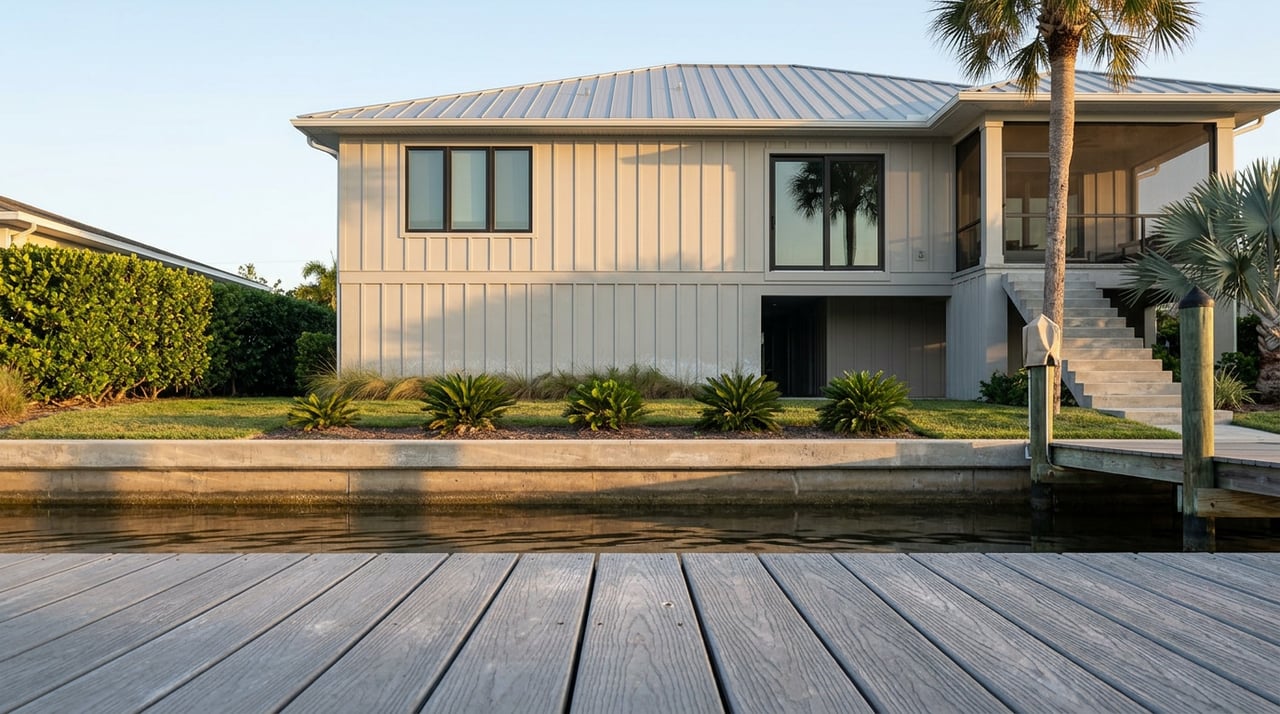
If boating is central to your lifestyle, the waterway you live on matters. Estero Bay and its channels tend to be calmer and more forgiving for docking and everyday boat use. Many bayfront single-family lots can support private docks, lifts, and easy access to protected waters for inshore fishing, kayaking, and paddleboarding, pending permits.
Gulf-front homes put you at the beach with immediate proximity to open water. That said, many single-family parcels on the beach do not include deep-water docks. Launching small craft, kayaks, and paddleboards can be straightforward from sandy shoreline, but larger powerboats often rely on nearby marinas, private boat clubs, or access via the intracoastal and canal systems.
Permits and environmental rules
Waterfront improvements typically require multiple approvals. Expect to work with Lee County for building and shoreline permits, the Florida Department of Environmental Protection for coastal and submerged lands issues, and the U.S. Army Corps of Engineers when work occurs in navigable waters. The presence of seagrass beds or mangrove shoreline can limit where and how you build, and dock designs may need to minimize shading and disturbance.
Dredging is tightly regulated and can be costly. Many neighborhoods rely on natural or previously dredged channels that may shoal over time. Private dredging has significant permitting hurdles, and some communities coordinate dredging on longer cycles that may involve special assessments.
Slip availability varies widely. Condominiums and townhomes may assign or limit slips through association rules, while single-family bayfront parcels are more likely to offer private slips if water depth, riparian rights, and permits align. Always verify dock permits, boat lift approvals, and any code issues before you buy.
Shorelines, erosion, and maintenance
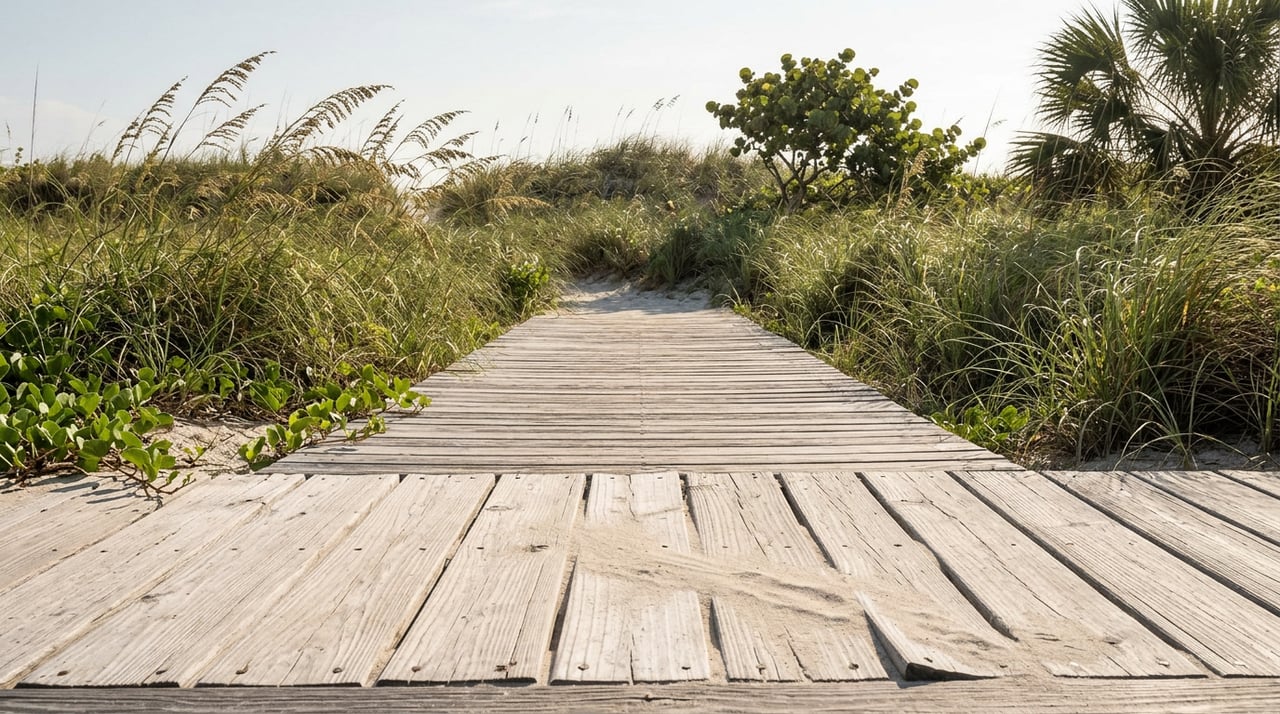
Gulf-front sandy beaches offer direct beach access and sweeping views. In Florida, the beach area seaward of the mean high water line is generally public, so you should expect some level of activity in front of your property at certain access points. Beach profiles change seasonally and after storms, and public beach renourishment projects occur periodically but are not guaranteed long term.
Bayfront properties often rely on seawalls or riprap to stabilize the shoreline. Seawalls can be durable and protective, but they require periodic inspection, maintenance, and eventual replacement. If you inherit an older seawall, its condition and remaining lifespan are important due diligence items.
Natural mangrove shorelines bring habitat value, privacy, and shoreline stability. They also limit traditional beach-style access and can constrain dock size and placement. Mangrove trimming or removal is tightly regulated and typically requires permits and mitigation.
Views, privacy, and crowds
For pure sunset drama, true west-facing gulf-front views are hard to match. Many bayfront homes also offer sunset views, but mangroves, docks, or neighboring structures can partially interrupt the line of sight. A sunset site visit will tell you more than any photo can.
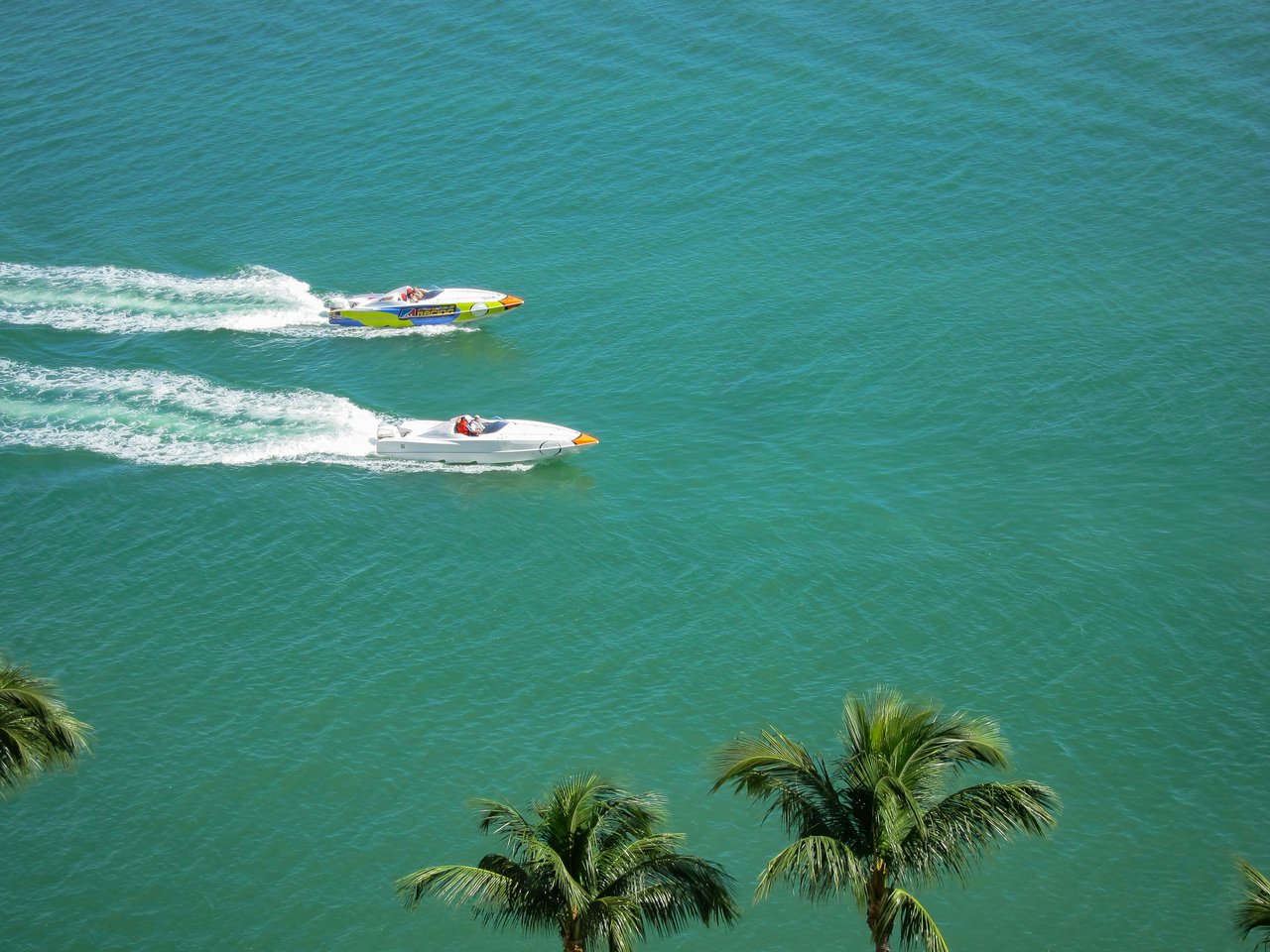
Privacy differs by setting. Beach areas near public access points can attract seasonal crowds and event noise, especially on weekends and holidays. Bayfront and canal neighborhoods, including gated enclaves like Bonita Bay, often feel more private and quiet. Proximity to marinas or popular launch sites, however, can increase boat traffic at certain times.
Insurance and ongoing costs
Flood and wind coverage are central to coastal ownership. Gulf-front properties are more frequently located in FEMA coastal high-hazard V zones, which typically drive higher flood insurance premiums and stricter elevation and foundation requirements for new construction. Bayfront parcels can also fall in VE or AE zones depending on elevation and exposure, so you should obtain quotes early.
Your total cost of ownership can vary by shoreline type and neighborhood obligations. Consider these recurring items when comparing properties:
- Flood and windstorm insurance, often higher for gulf-front in VE zones
- Routine dock and lift maintenance, including service for motors and cradles
- Seawall inspections and eventual repairs or replacement
- Potential dredging assessments or canal maintenance fees
- Permitting and mitigation costs for shoreline work
- Property taxes and the market premium that waterfront commands
Episodic water-quality events, including red tide along the Gulf, can influence short-term beach use and, for some owners, rental planning. These events are intermittent but worth discussing as part of your lifestyle expectations.
A simple 4-step process
Use this framework to move from browsing to a confident decision:
- Field visit. Tour your top options at both high and low tide and return at sunset. Verify water depth near the dock and the true view corridor from main living areas.
- Permits and title. Review dock and seawall permits, any submerged land leases, and riparian rights attached to the deed. Confirm HOA rules for slips, boat sizes, and commercial activity.
- Professional inspections. Order a seawall and dock inspection, request an elevation certificate, and evaluate flood risk relative to base flood elevation. If applicable, ask about the neighborhood’s dredging history and who paid for it.
- Insurance and costs. Obtain flood and wind quotes early. Ask about pending assessments for dredging, seawalls, or coastal projects, and build that into your financial model.
Showing-day checklist
Bring this list to each property so you compare apples to apples:
- Tides and navigation: Note water depth at low tide, channel proximity, and any shoaling.
- Shoreline and structures: Inspect beach width or seawall condition, look for erosion, patchwork repairs, or settlement.
- Docks and lifts: Check pilings, decking, hardware, electrical, and posted permits or tags. Photograph serial plates on lifts.
- Activity and access: Identify nearby public beach access points, marinas, public parks, and typical traffic patterns.
- Documents to request: As-built drawings, dock and seawall permits, repair records, elevation certificate, HOA rules, and any notices of pending assessments.
- Contacts to consult: Lee County permitting for code history, Florida DEP for CCCL and coastal questions, and the U.S. Army Corps of Engineers when federal authorization is relevant.
When bayfront fits best
Choose bayfront if you want:
- Private dock potential and calm-water boating on most days
- Quick access to protected inshore waters for fishing, kayaking, and paddleboarding
- A quieter, more private neighborhood feel with less beach crowding
- Easier year-round docking for small to mid-size boats, subject to water depth and permits
When gulf-front fits best
Choose gulf-front if you want:
- Direct beach access and the broadest west-facing sunsets
- Immediate proximity to open water for small craft, with marinas nearby for larger boats
- A classic beach lifestyle with sandy shoreline steps from your door
- The visual and emotional impact of living on the open Gulf
Make an informed move
Both settings can deliver the Southwest Florida life you have in mind. The best choice comes down to how you plan to use the water, your tolerance for public activity or boat traffic, and what you are comfortable carrying in insurance and long-term shoreline costs. If you want a property that aligns with your lifestyle and your risk profile, a careful on-site visit paired with permit and insurance diligence will point you to the right shoreline.
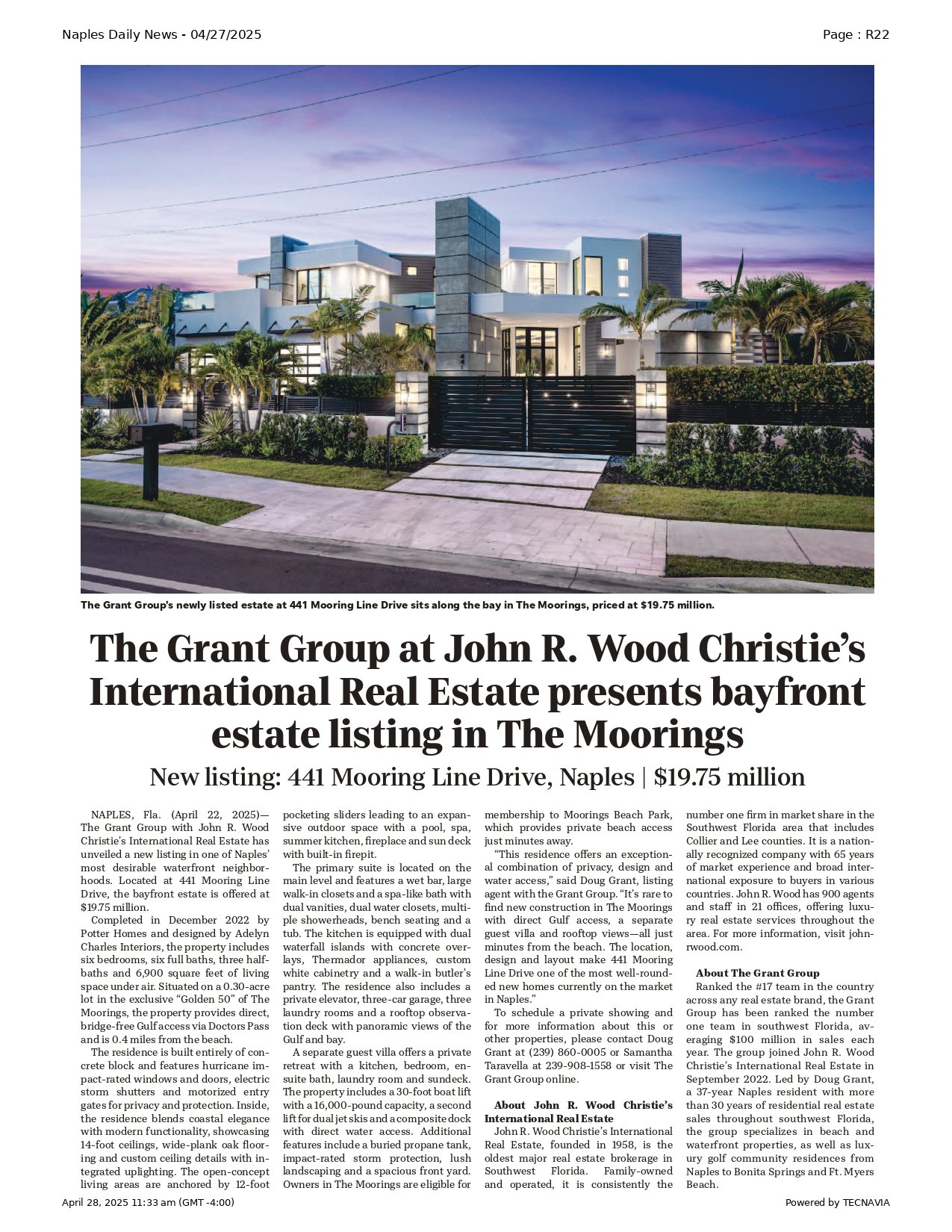
If you are ready to compare specific neighborhoods, slips, flood zones, and ownership costs side by side, our team can help you translate the details into a confident decision. For discreet guidance and property tours tailored to how you live, contact The Grant Group.
FAQs
Can I build a dock on a bayfront property in Bonita Springs?
- Often yes, but it depends on parcel depth, low-tide water depth, the presence of seagrass or mangroves, and permits from Lee County, Florida DEP, and possibly the U.S. Army Corps of Engineers.
Do most Bonita Beach gulf-front homes have private deep-water docks?
- Many single-family gulf-front parcels do not include deep-water docks; owners of larger boats often rely on nearby marinas, boat clubs, or access via intracoastal connections.
Are flood insurance premiums usually higher on gulf-front than bayfront?
- Gulf-front homes are more frequently in FEMA VE zones, which can lead to higher flood premiums and stricter building requirements; bayfront parcels may be in VE or AE zones based on elevation and exposure.
Is the beach in front of a gulf-front home private in Florida?
- Beach areas seaward of the mean high water line are generally public; private ownership typically applies only to the dry sand landward of that line, so expect some level of public use.
How does shallow water in Estero Bay affect boating?
- Estero Bay can be shallow at low tide, with seagrasses and tidal flats that influence navigation; you should confirm water depth at your dock and understand local channels and tide timing.
What should I know about dredging and neighborhood assessments?
- Access channels can shoal over time; dredging is infrequent, expensive, and heavily permitted, and some communities levy assessments to fund shared projects. Start by asking about past and planned dredging before you buy.