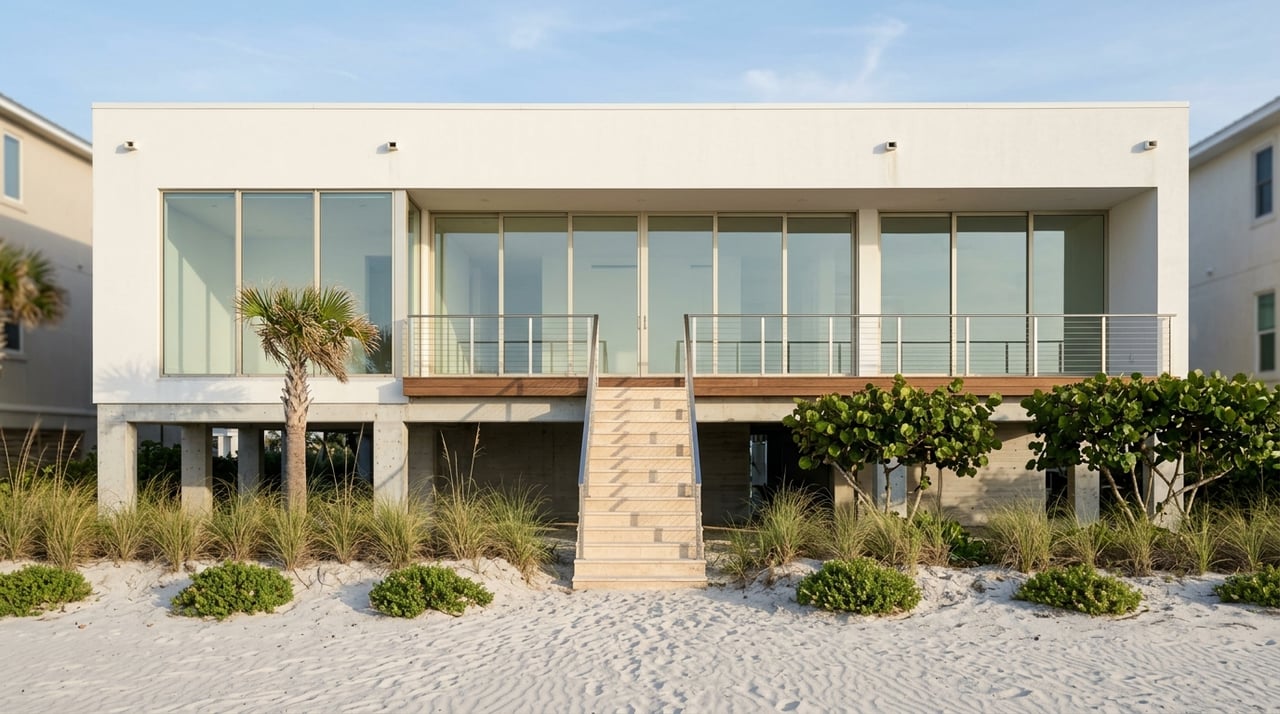
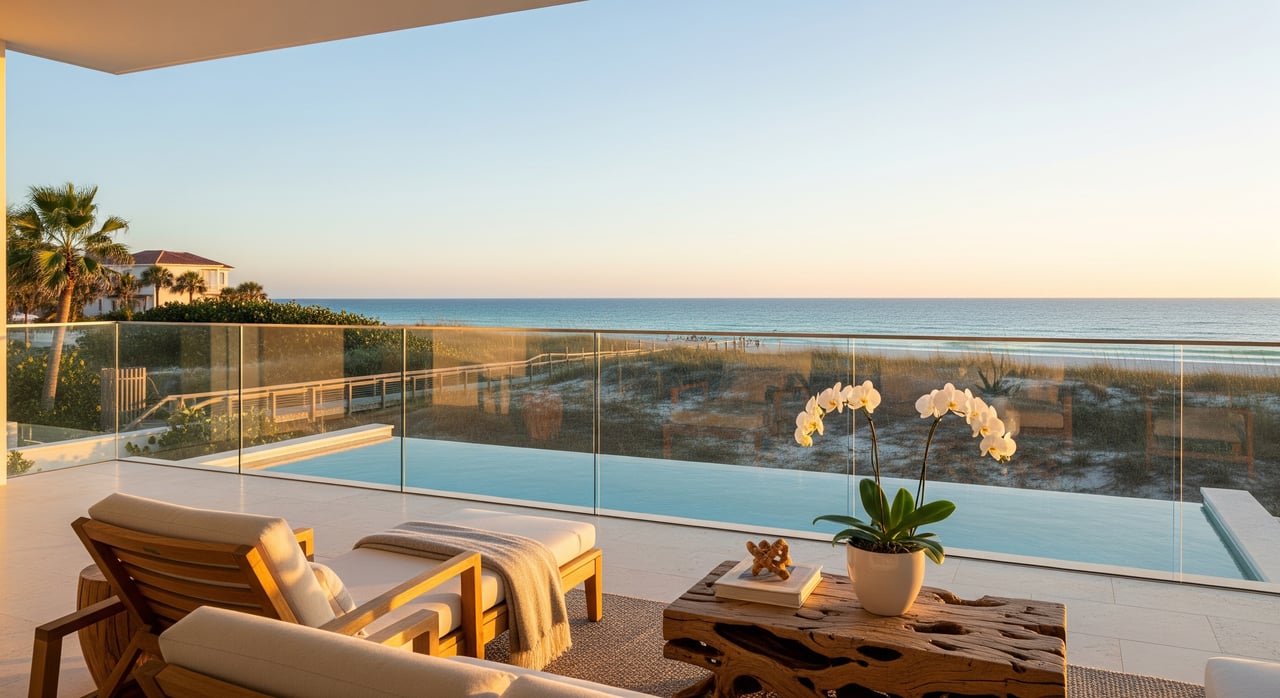
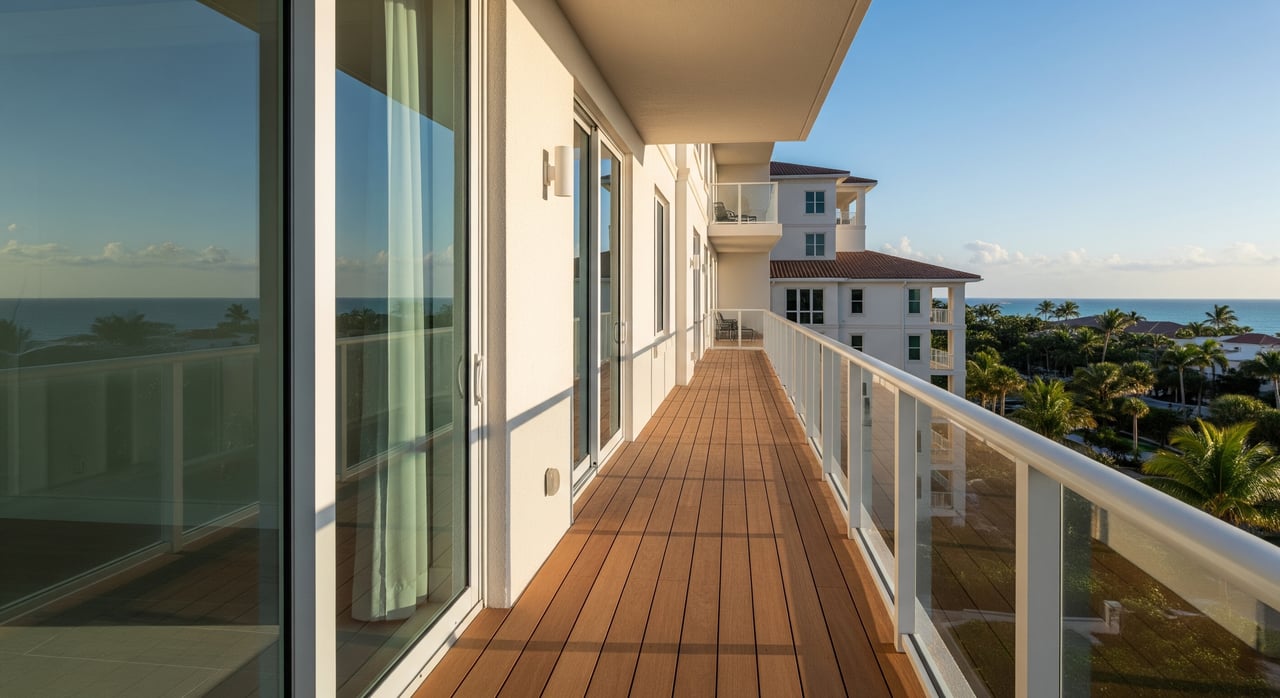
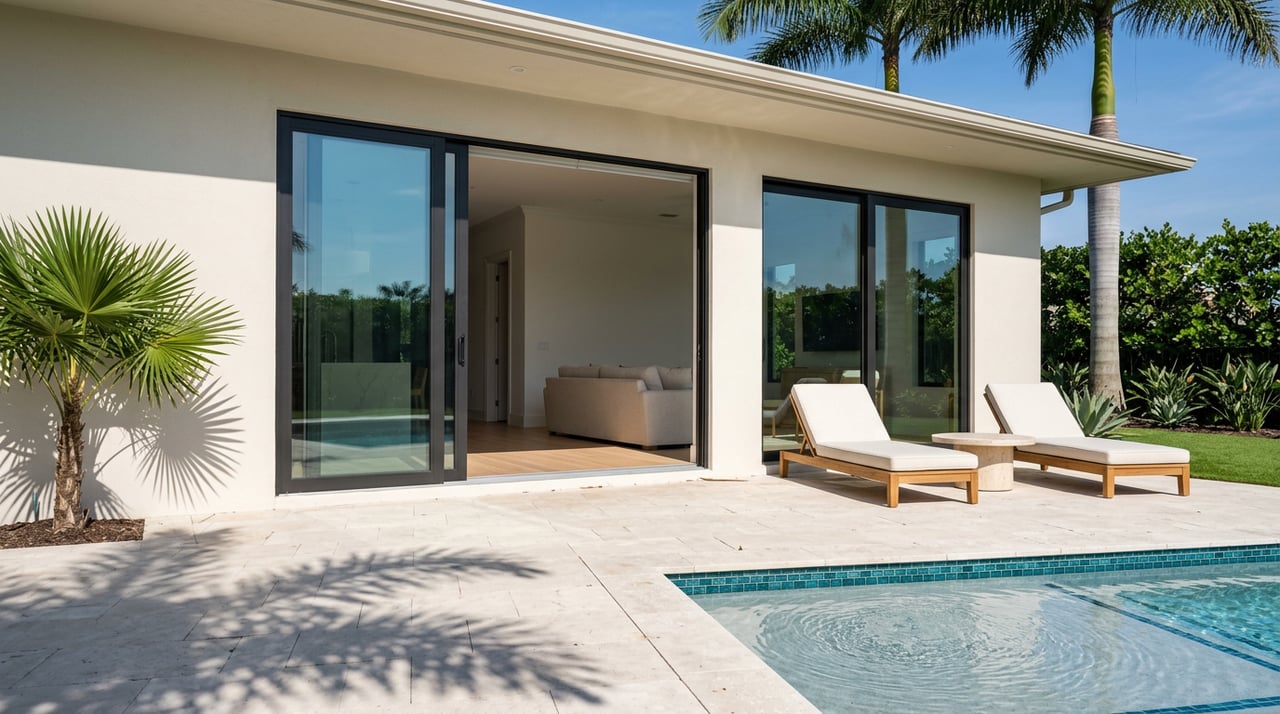
Craving a brand-new home in Talis Park but not sure where to start? You want luxury, privacy, and a smooth path to move-in, without surprises. In this guide, you will learn the key decisions, timelines, contracts, inspections, and upgrade strategies that help you build smart and protect long-term value. Let’s dive in.
Talis Park overview for new builds
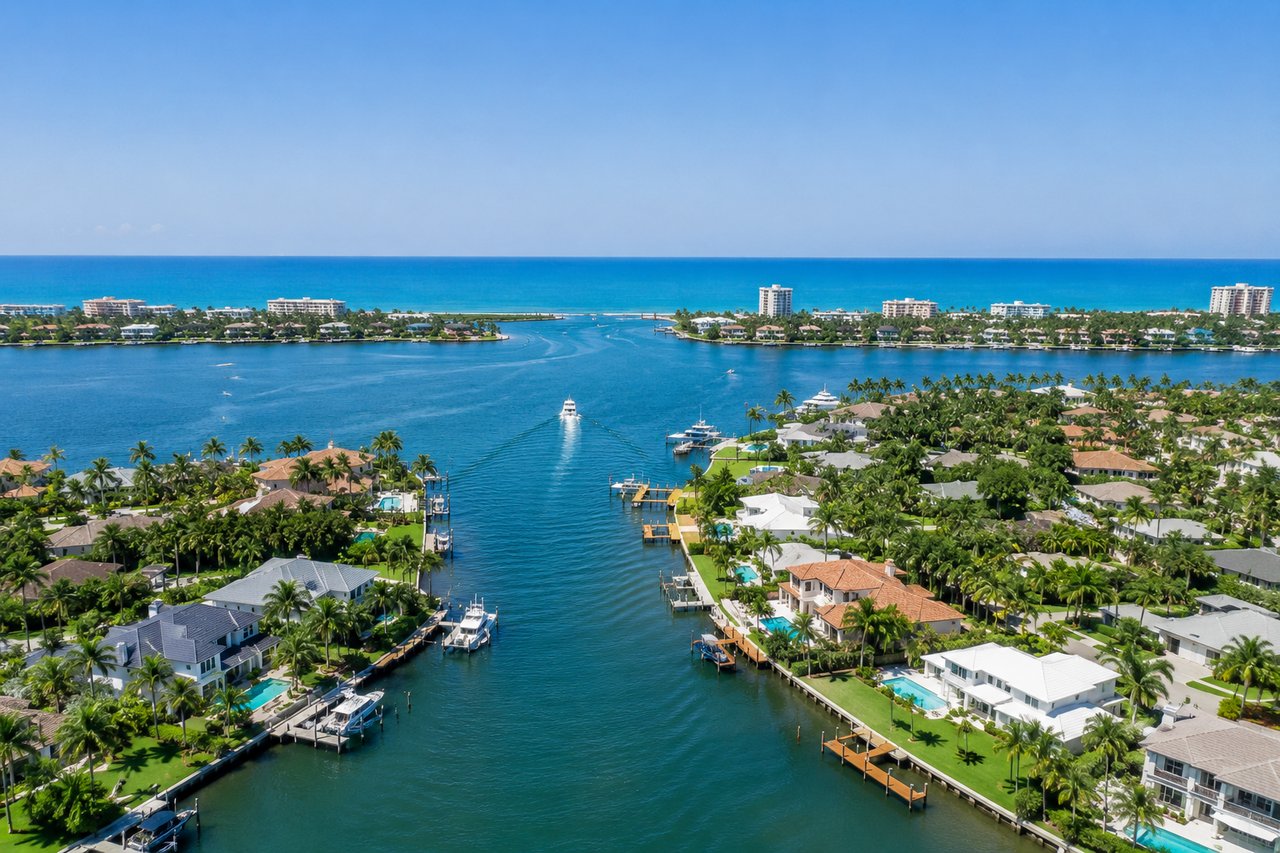
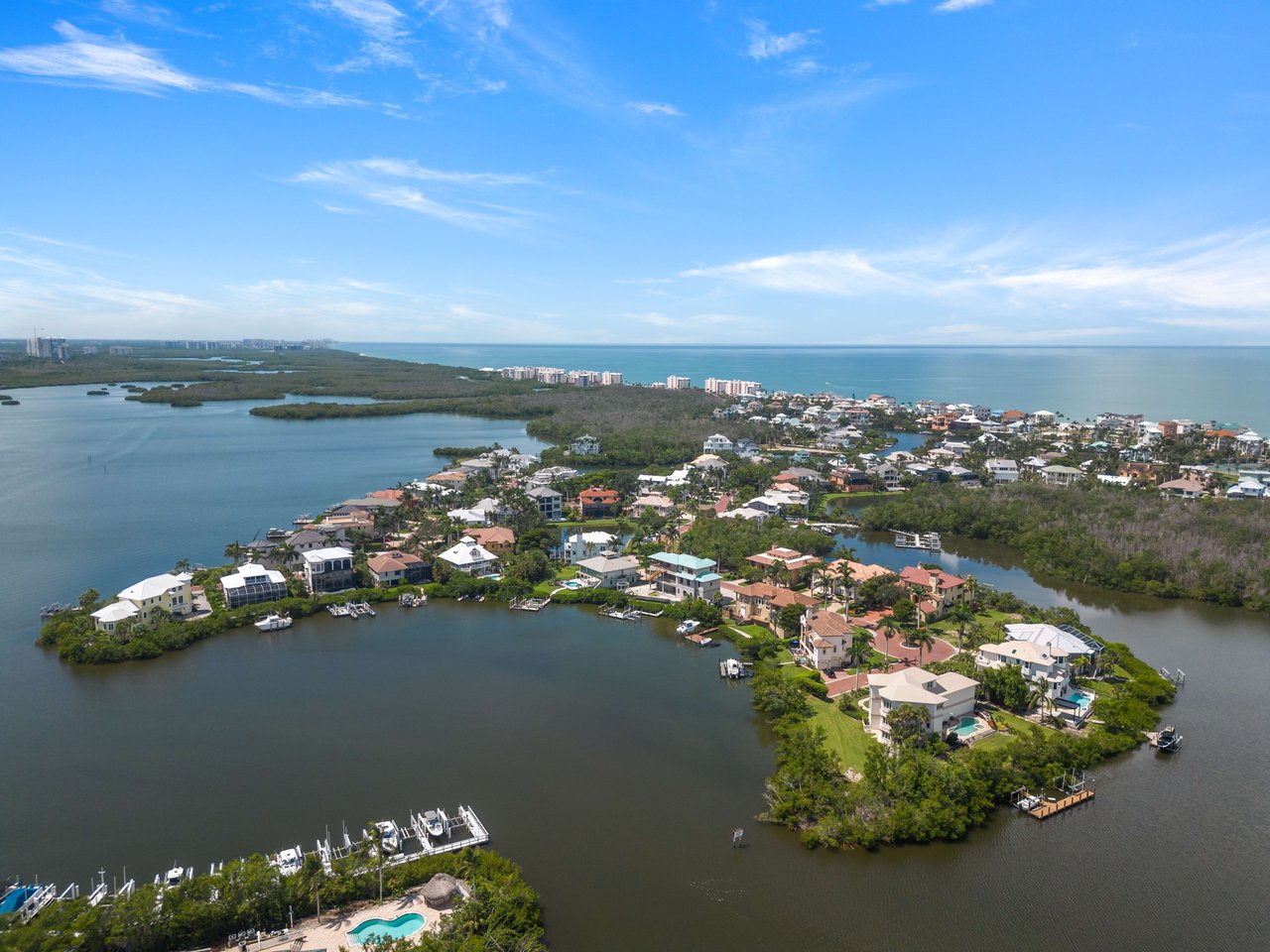
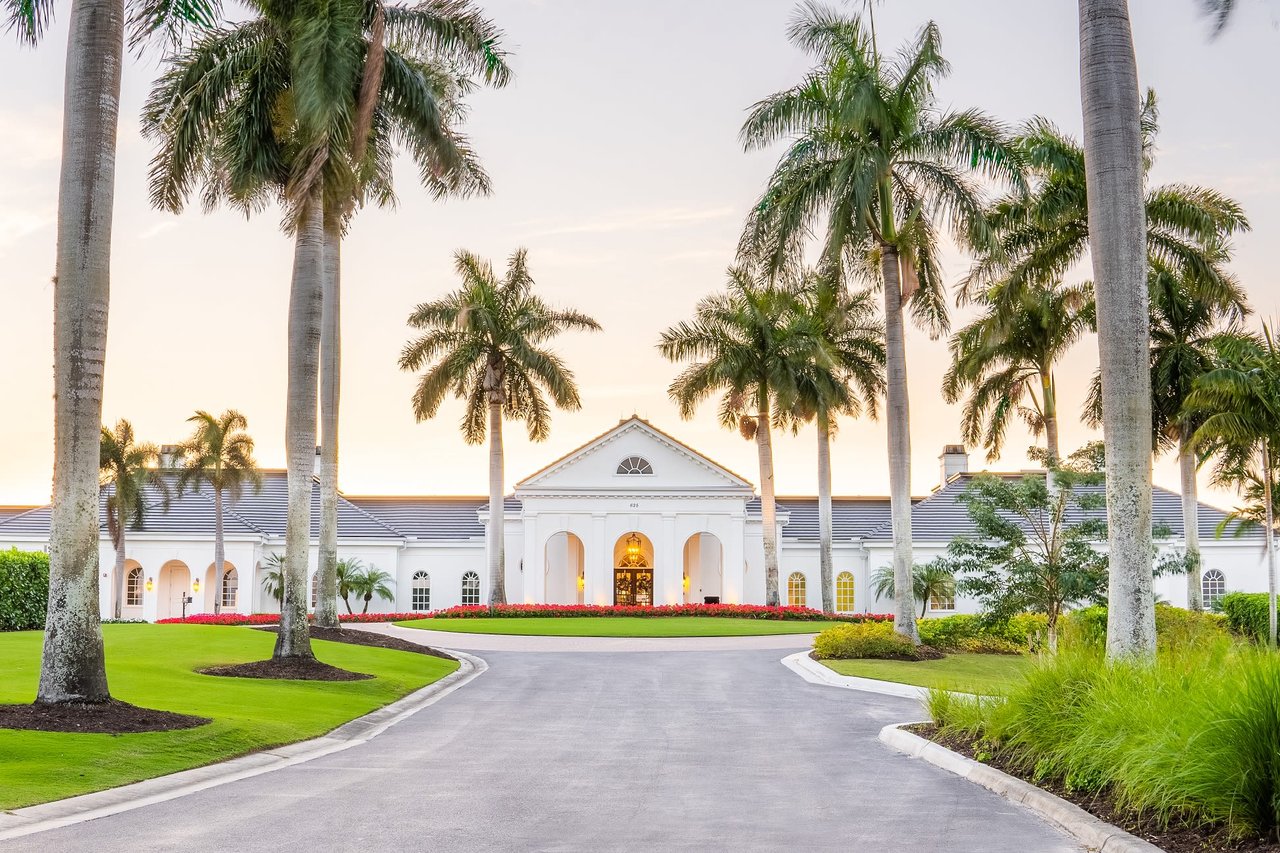
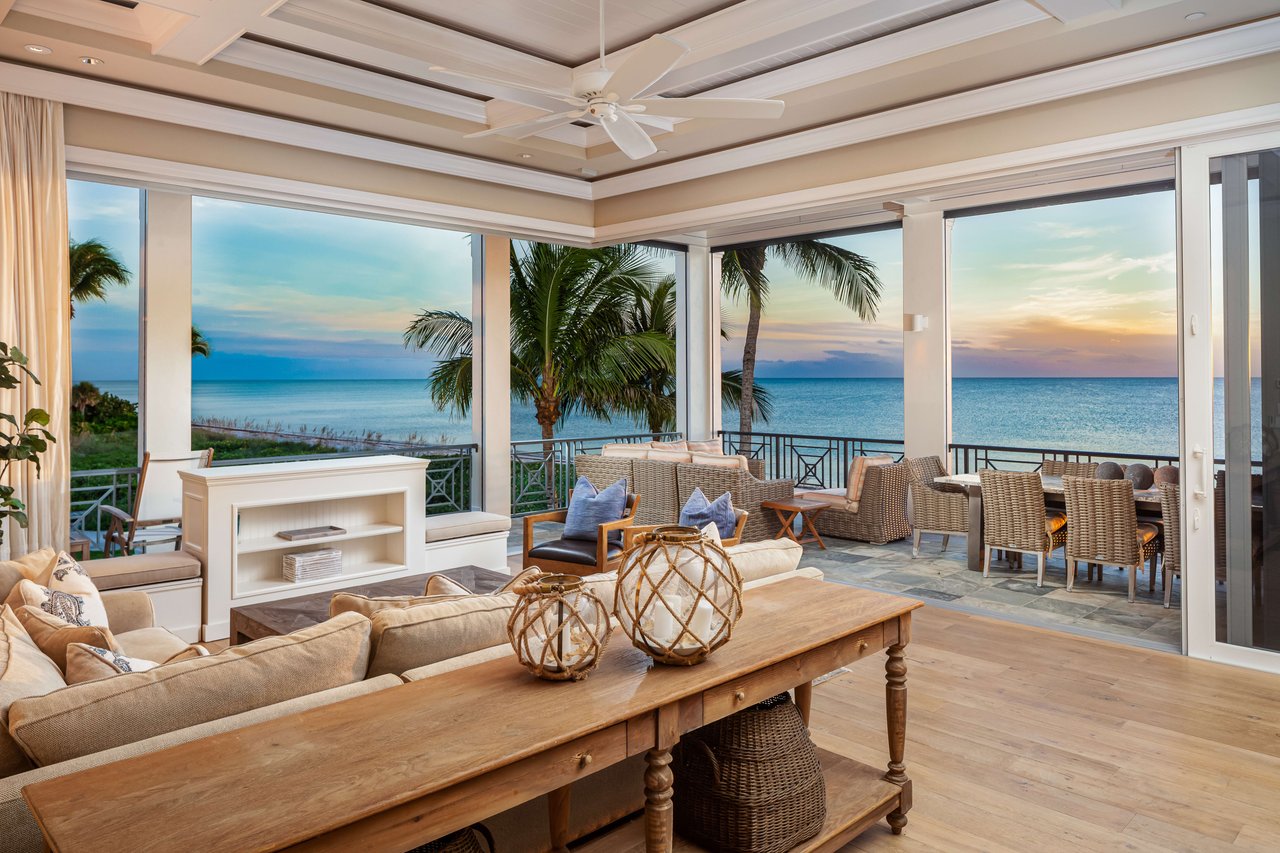
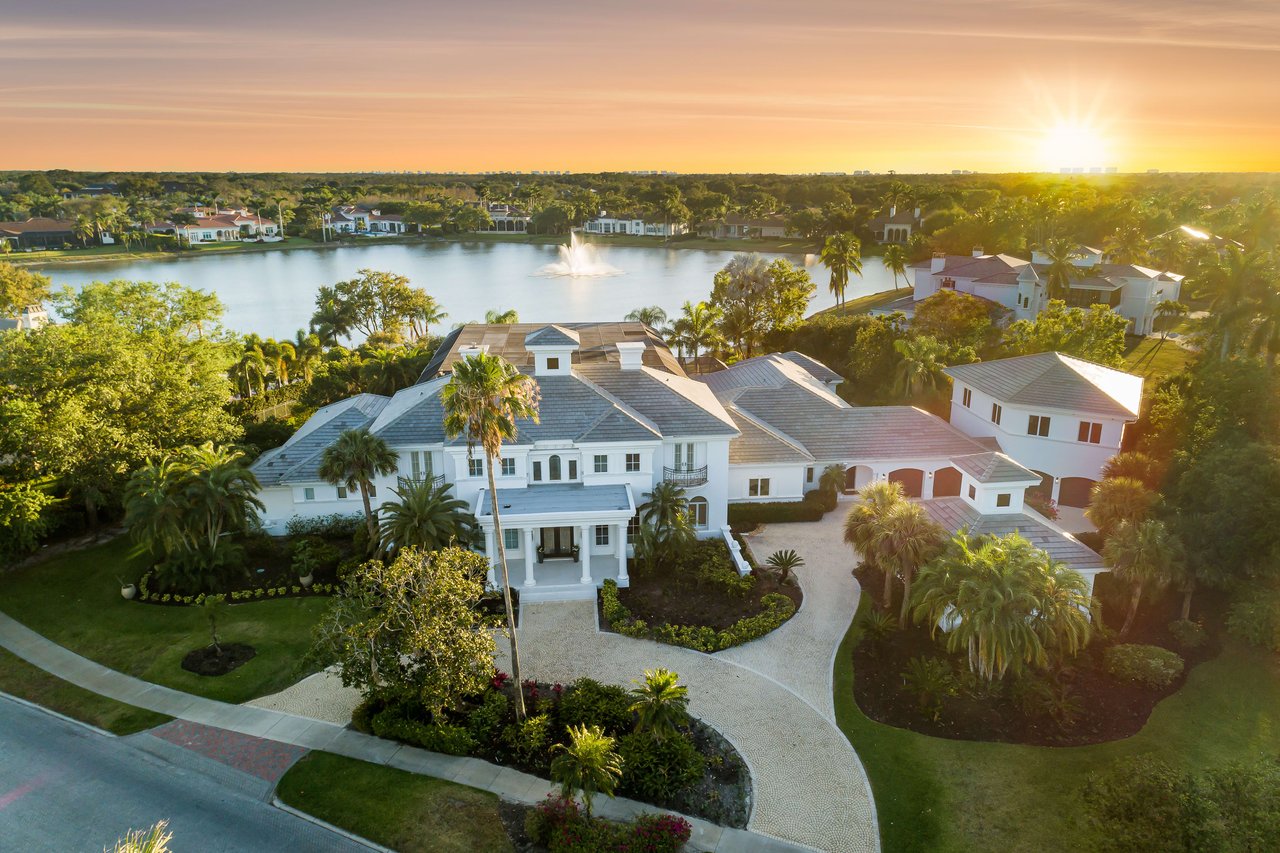
Talis Park is a gated, master-planned luxury community in Collier County near Naples. It offers resort-style amenities and private club options that attract buyers who value high-end finishes and an active lifestyle. Club packages and access can change, so confirm details directly with the community or club when you are evaluating lots and builders.
What you choose inside Talis Park matters. Lot orientation, view, proximity to amenities, and membership status can influence price, enjoyment, and future resale appeal. Community covenants, architectural review, and setback rules may shape exterior finishes and timelines, so build your plan around these requirements from the start.
Choose the right lot and view
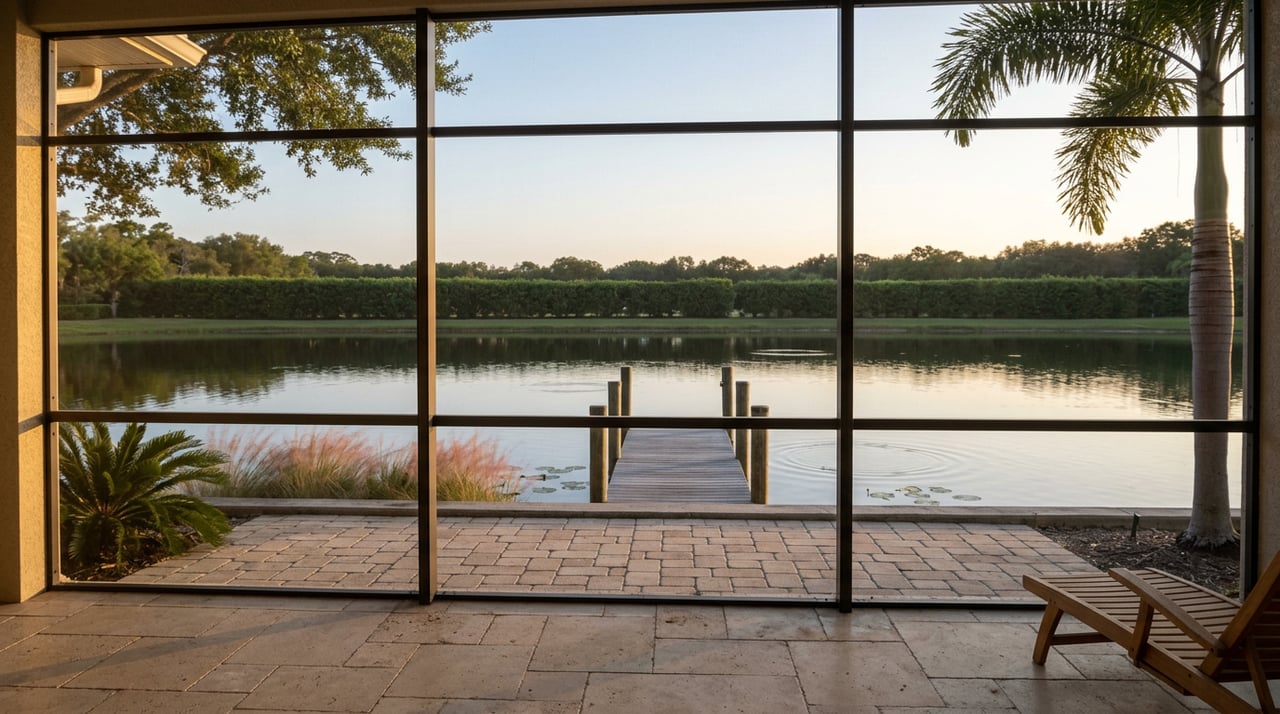
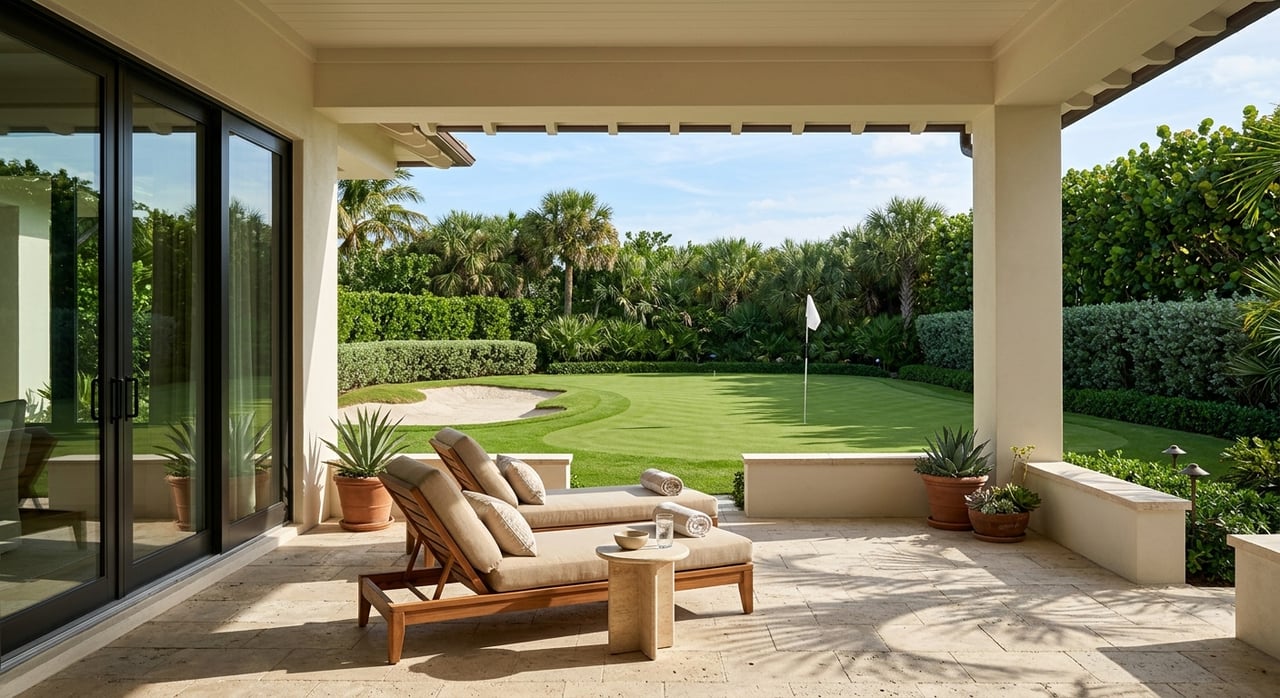
Your lot choice is one of the biggest drivers of value. Golf, lake, or preserve views often carry premiums and can draw more attention at resale. Orientation impacts light, privacy, and outdoor living comfort.
Consider these steps:
- Ask for the community lot map with buildable envelopes and any elevation or flood information.
- Evaluate proximity to amenities while maintaining privacy that fits your lifestyle.
- Review ARC and HOA covenants early to understand design limits and approval steps.
Your paths to a new home
Spec and model homes
Spec or model homes can be move-in ready or just a few weeks to a few months from completion. They offer speed and a clear scope of included features, which is ideal if you want a turnkey option.
Semi-custom series
Semi-custom builds typically run about 9 to 16 months from contract to Certificate of Occupancy in stable conditions. You choose a base plan and make curated structural and finish selections. It balances flexibility with a defined timeline and cost framework.
Fully custom estate
Fully custom builds can range from 12 to 30 months or more depending on design complexity, site work, permitting, and labor availability. This route provides the most control over architecture and finishes but requires more time and decision-making.
Contracts and deposits: what to verify
Builder contracts are not cookie-cutter. Before you sign, confirm the following:
- Base price with a precise list of inclusions and exclusions, including appliances, flooring, and landscape grade.
- Allowances for cabinetry, countertops, appliances, lighting, and exterior finishes.
- Change order policy, pricing markups, approval process, and potential schedule impacts.
- Deposit schedule and refundability. Spec homes may require higher nonrefundable deposits.
- Performance timelines, definitions of substantial completion and final acceptance, and remedies for delays.
- Warranty coverage and transferability.
Best practice is to have an experienced buyer agent and a local real estate attorney review the contract.
Timeline and selection milestones
Typical timing
- Spec or model homes: immediate to a few months, depending on stage.
- Semi-custom series: about 9 to 16 months in steady conditions.
- Fully custom: roughly 12 to 30 months or more, based on design, permitting, and trades.
Local permitting, hurricane-resistant requirements, and supply chains can extend these windows. Get an updated schedule from the builder.
Key milestones to plan
- Pre-contract: finalize lot and plan, review CCRs, setbacks, and building envelope.
- Early design: prioritize long-lead selections like appliances, cabinetry, stone, and tile.
- Structural options: lock these early to control cost and schedule.
- Mid-construction: confirm appliance, landscaping, and any owner-requested upgrades.
- Pre-closing: punch list, final walk-through, and CO readiness.
Design center strategy and upgrade ROI
Most builders use design centers with curated packages and upgrade menus. You will make initial selections soon after contract to secure long-lead items, followed by secondary appointments for remaining finishes. Manage allowances carefully to avoid overages.
High-ROI categories to consider:
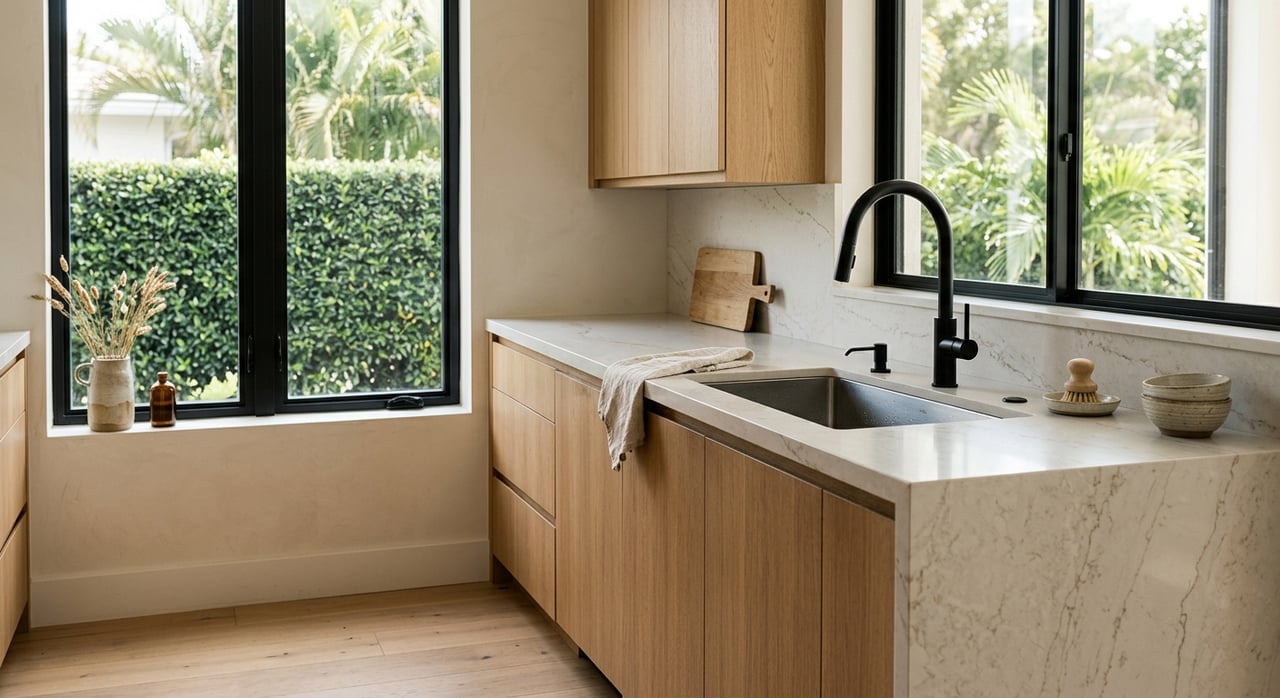
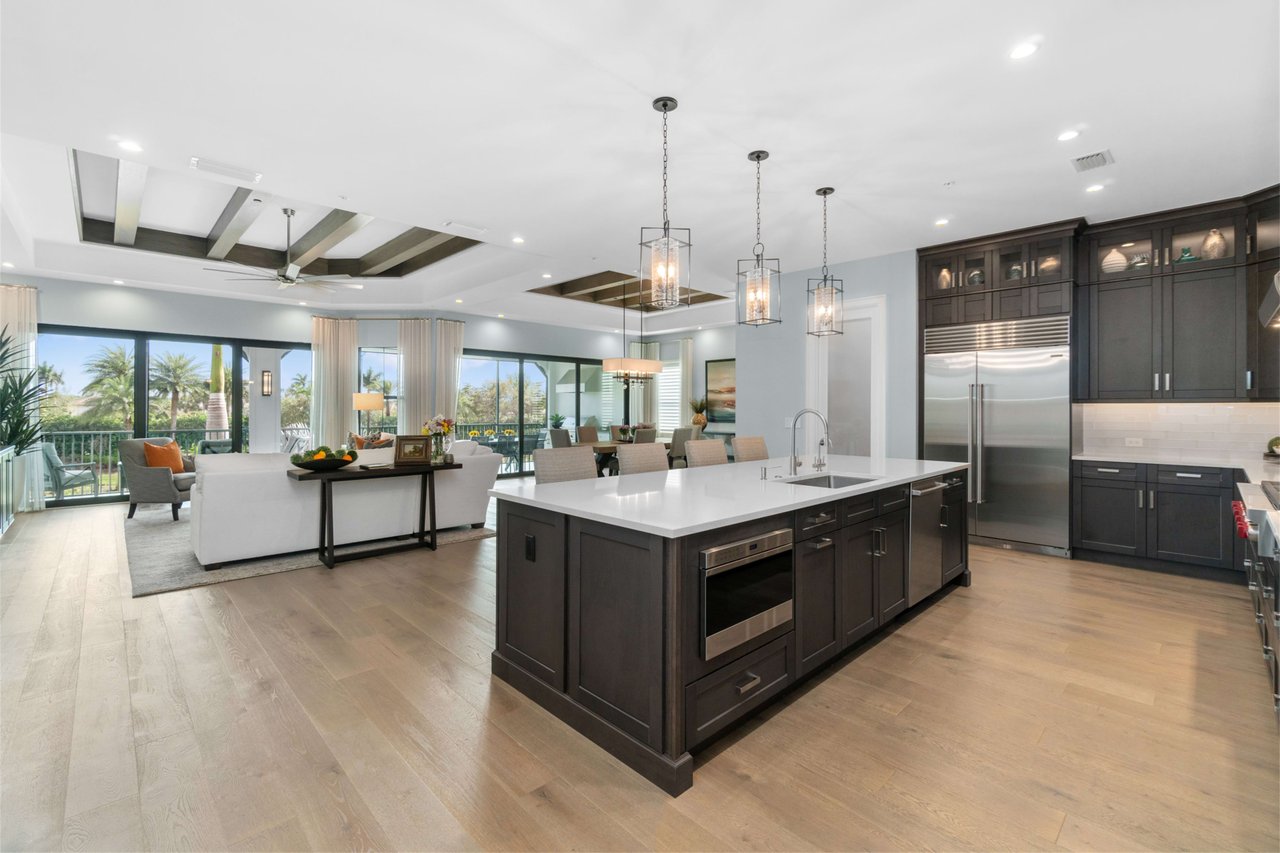
- Kitchen: professional-grade appliances, quality cabinetry, stone counters, and a functional layout.
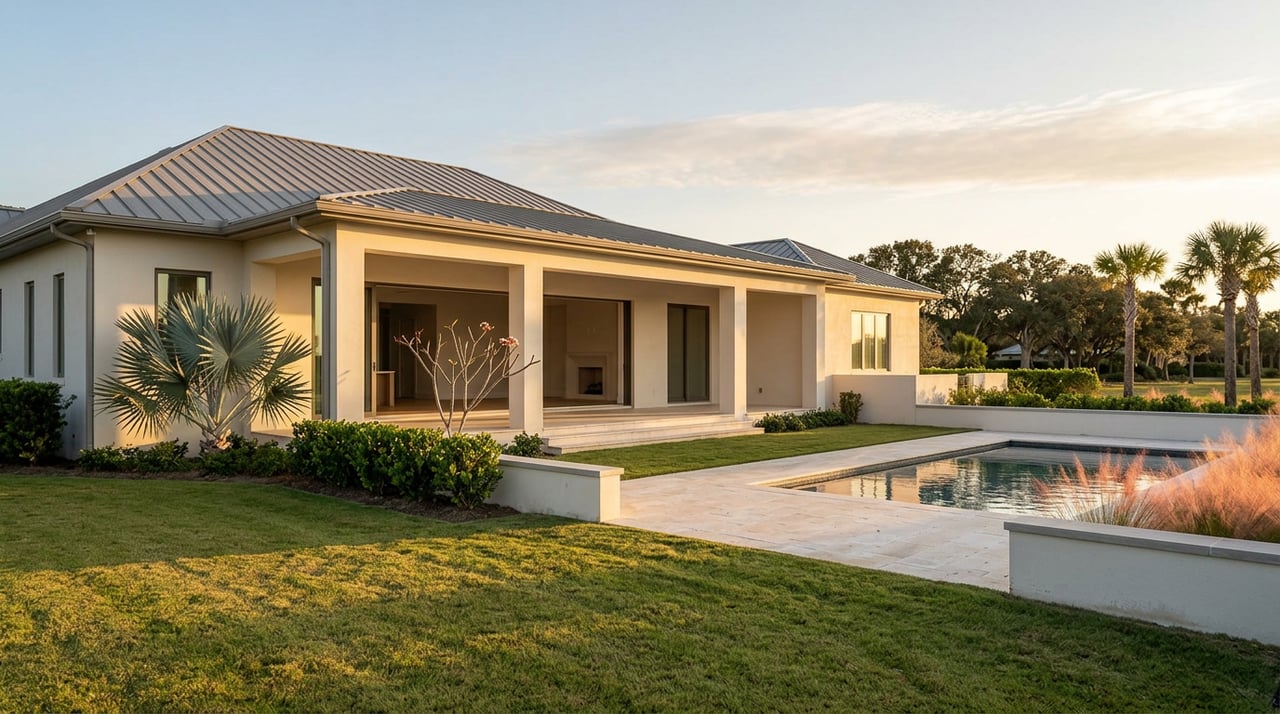
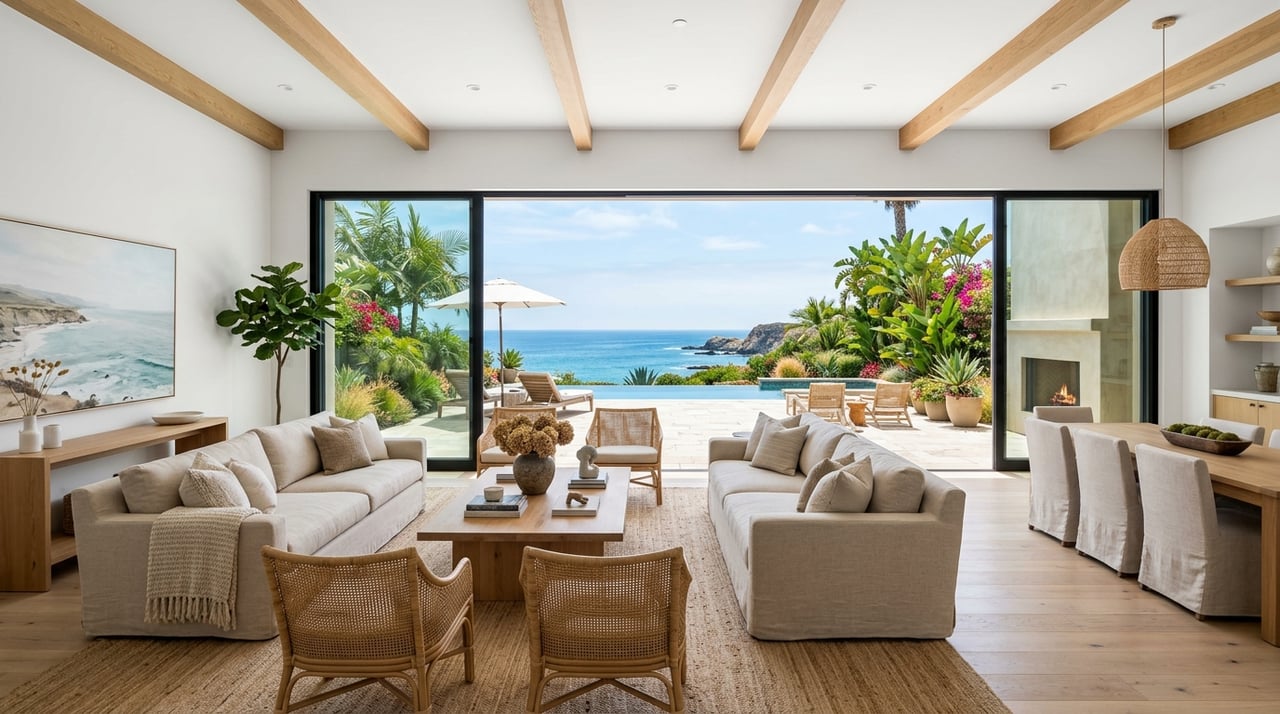
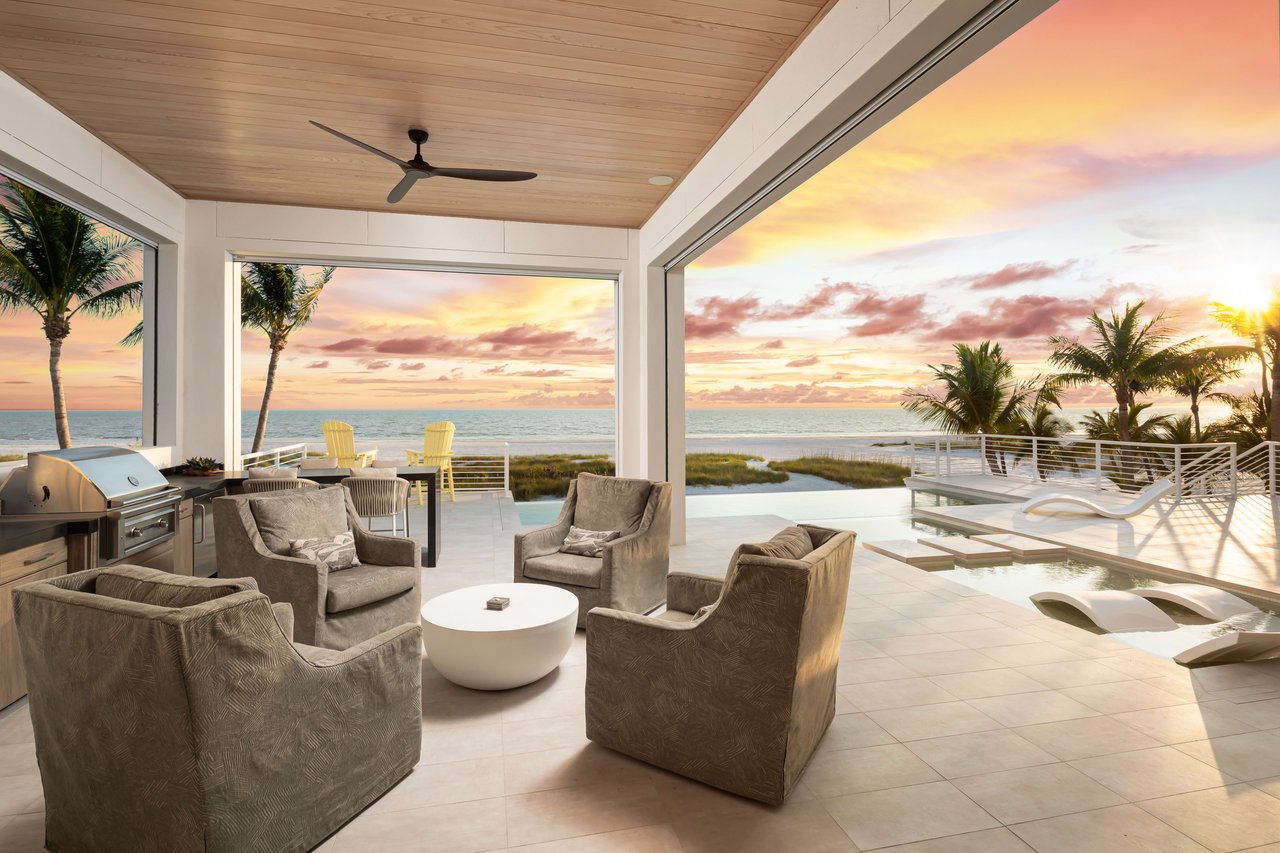
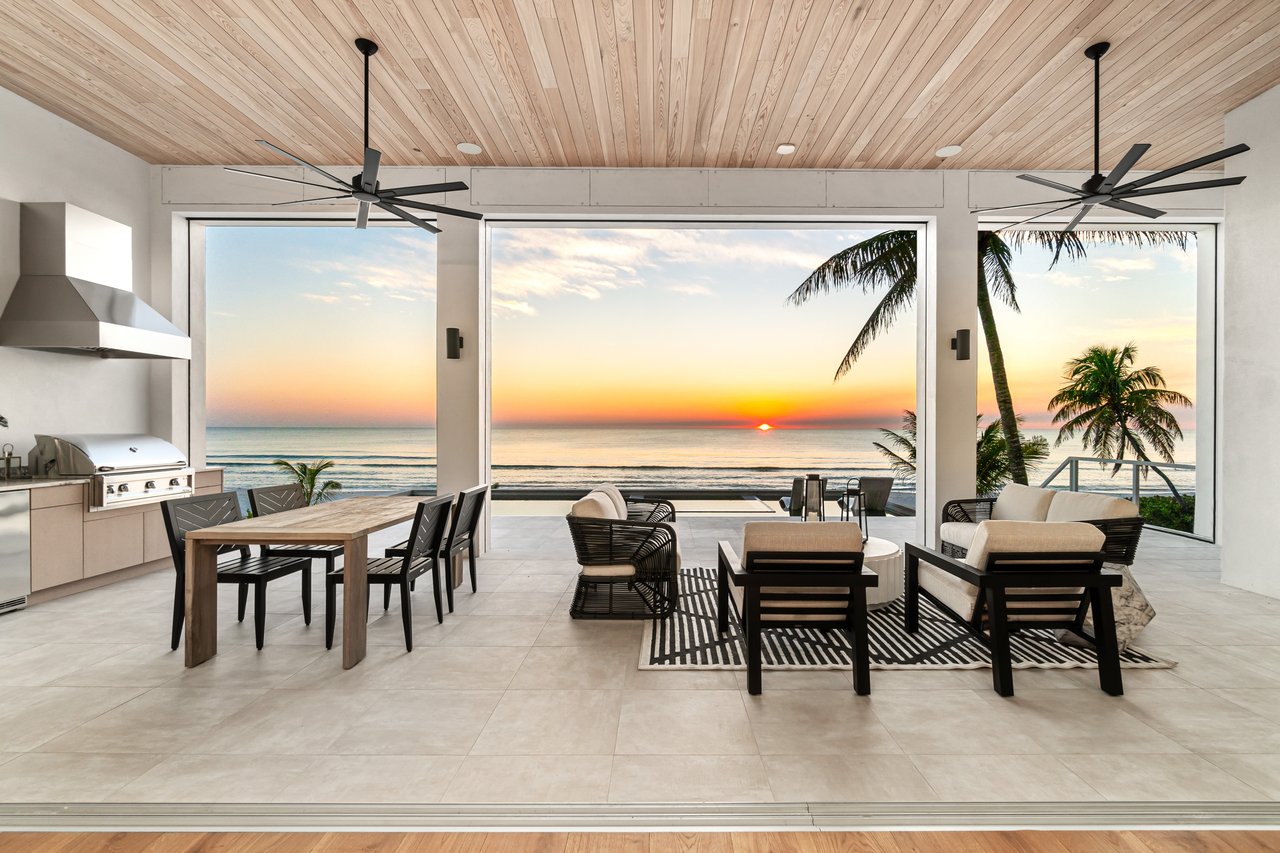
- Outdoor living: covered lanai, integrated kitchen, screened pool, and finishes compatible with hurricane codes.
- Energy and resiliency: HVAC upgrades, efficient systems, storm-rated doors and windows, and LED lighting.
- Flooring: wide-plank wood or neutral large-format tile that shows well and wears well.
- Smart home: reliable, easy-to-use controls for security, climate, and audio.
Lower-ROI risk areas include highly personalized finishes and niche color schemes. If needed, you can defer some landscaping or pool scope to after closing. Ask how that affects warranties and who coordinates third-party contractors.
Budget tips to stay in control
- Keep a 5 to 10 percent contingency for upgrades and changes.
- Request itemized pricing on popular upgrades to compare value.
- Lock long-lead selections quickly and confirm delivery timelines.
- Ask whether the builder will order or install owner-furnished items and who is responsible for damage.
Inspections, permits, and protection
Florida Building Code and the Collier County permit process govern structural, wind, and flood standards. Confirm that your plans meet current requirements. Obtain flood zone and elevation certificates for accurate insurance quotes and any lender requirements. New coastal construction can carry higher premiums, so check insurance early.
Recommended inspection checkpoints:
- Pre-contract: soil report and plat review if available.
- After slab: verify foundation, rebar, and any waterproofing details.
- Pre-drywall: have an independent inspector review framing and rough-ins.
- Final: verify finishes, mechanical systems, windows and doors, and paint.
- 11th month: compile items before the builder’s one-year warranty expires.
Financing, appraisal, and negotiation
Construction loans that convert to a permanent mortgage are common. Make sure your lender understands the timeline and valuation approach for luxury communities. Appraisals for new construction often rely on comparable sales. In tight inventory markets, this can be challenging, so work with lenders who know the area.
Negotiation levers to explore:
- Spec homes: price, closing cost assistance, or upgrade credits depending on market conditions.
- Semi-custom: fixed allowances for appliances and cabinetry or capped change-order pricing.
- Schedules: ask for clear timelines and reasonable remedies for major delays when feasible.
Closing checklist for a smooth handoff
- Confirm all selections, options, and change orders in writing.
- Review as-built plans, warranties, and manuals.
- Verify Certificate of Occupancy and final municipal approvals.
- Finalize insurance and utilities.
- Complete a thorough punch list walk with target dates for each item.
Seasonality and availability strategy
Naples has a pronounced seasonal market. Inventory and pricing can shift in the winter and peak months. If you have your eye on a premium golf, lake, or preserve lot, plan ahead.
Practical steps:
- Join builder and community interest lists early.
- Ask for current lot maps with buildable envelopes and elevation details.
- When supply is more balanced, explore upgrade credits or appliance packages.
- If volatility is a concern, negotiate fixed-price allowances for key categories.
Your next step
New construction in Talis Park rewards thoughtful planning. When you align the right lot, builder path, contract protections, and design choices, you protect your time and your investment.
Request a Private Consultation to review current lot and series availability, timeline expectations, and upgrade strategies tailored to your goals. Connect with the local team at The Grant Group to get started.
FAQs
What should I prioritize when picking a Talis Park lot?
- Focus on view, orientation, proximity to amenities, and any ARC or HOA rules that affect your desired design and timeline.
How long does a semi-custom build usually take in Talis Park?
- In steady conditions, many semi-custom builds run about 9 to 16 months from contract to Certificate of Occupancy, depending on complexity and permitting.
When do I make design selections for a new build?
- Most builders schedule early design appointments soon after contract for long-lead items, followed by secondary sessions to finalize finishes and fixtures.
Which upgrades offer strong resale appeal in luxury markets?
- Kitchens, outdoor living, energy and resiliency features, quality flooring, and simple, reliable smart home systems tend to hold value.
Do I need independent inspections for new construction?
- It is wise to hire an inspector for pre-drywall and final stages, and again near the 11th month to capture warranty items.
What financing should I consider for a new build?
- Many buyers use a construction loan that converts to a permanent mortgage and work with lenders experienced in luxury and new-construction appraisals.
Can I negotiate with a builder in Talis Park?
- Yes, depending on conditions you can explore price or credits on spec homes, fixed allowances or capped change orders on semi-custom, and clearer schedule commitments.