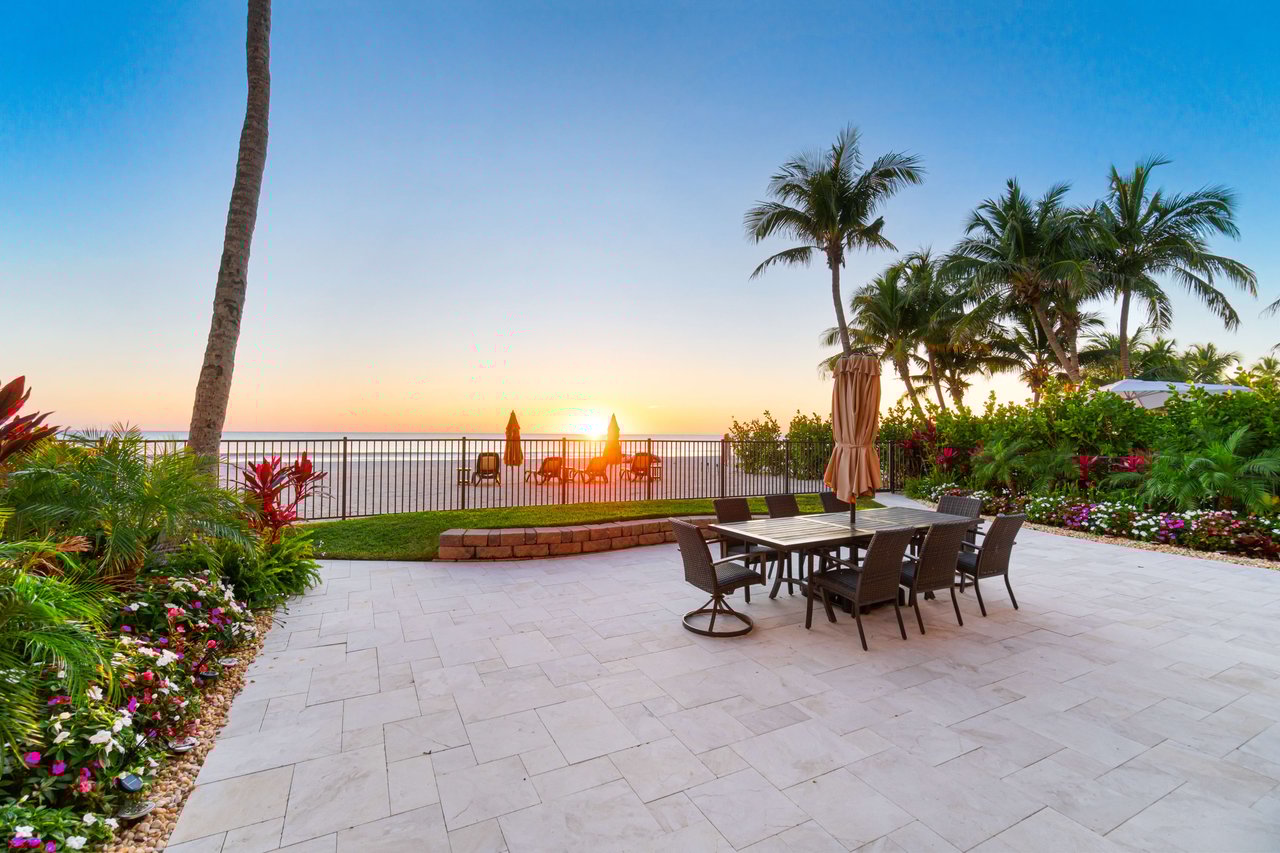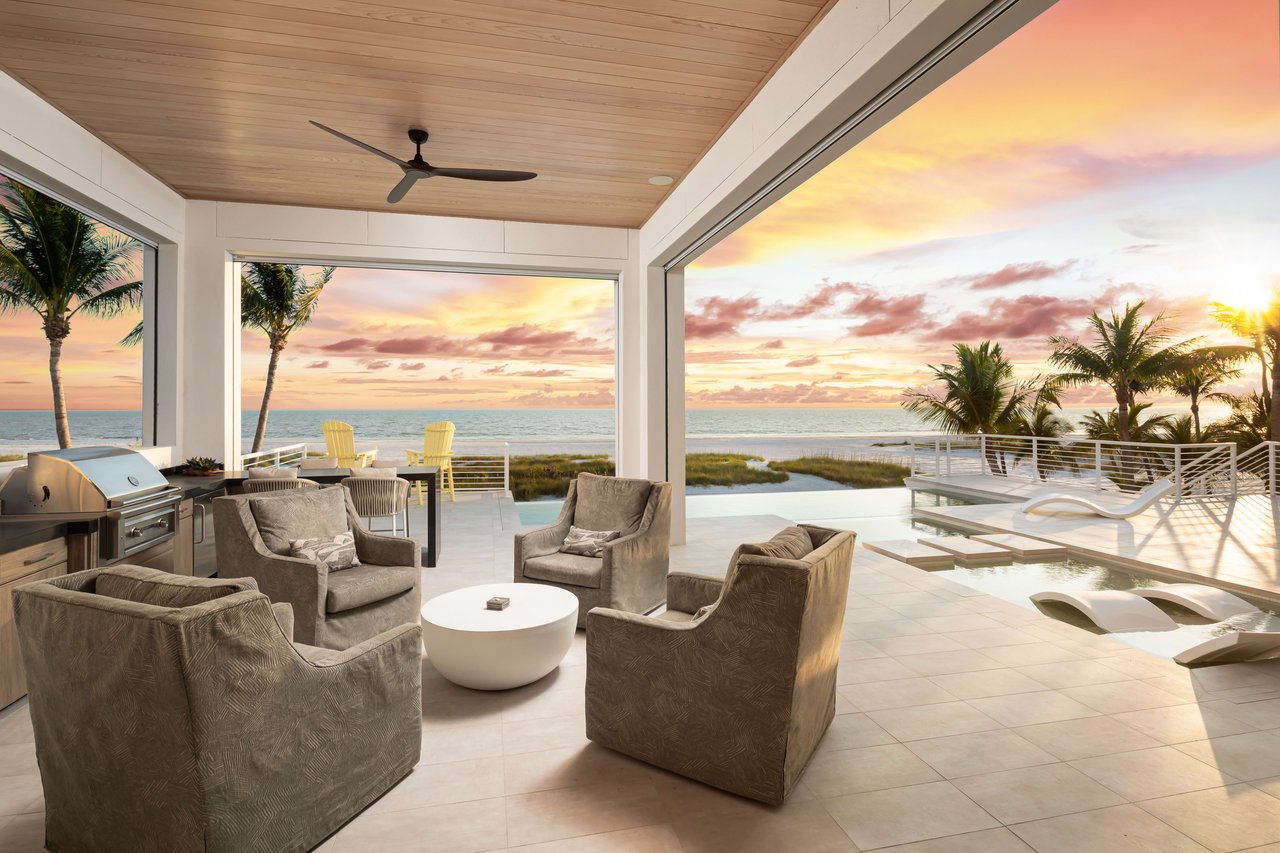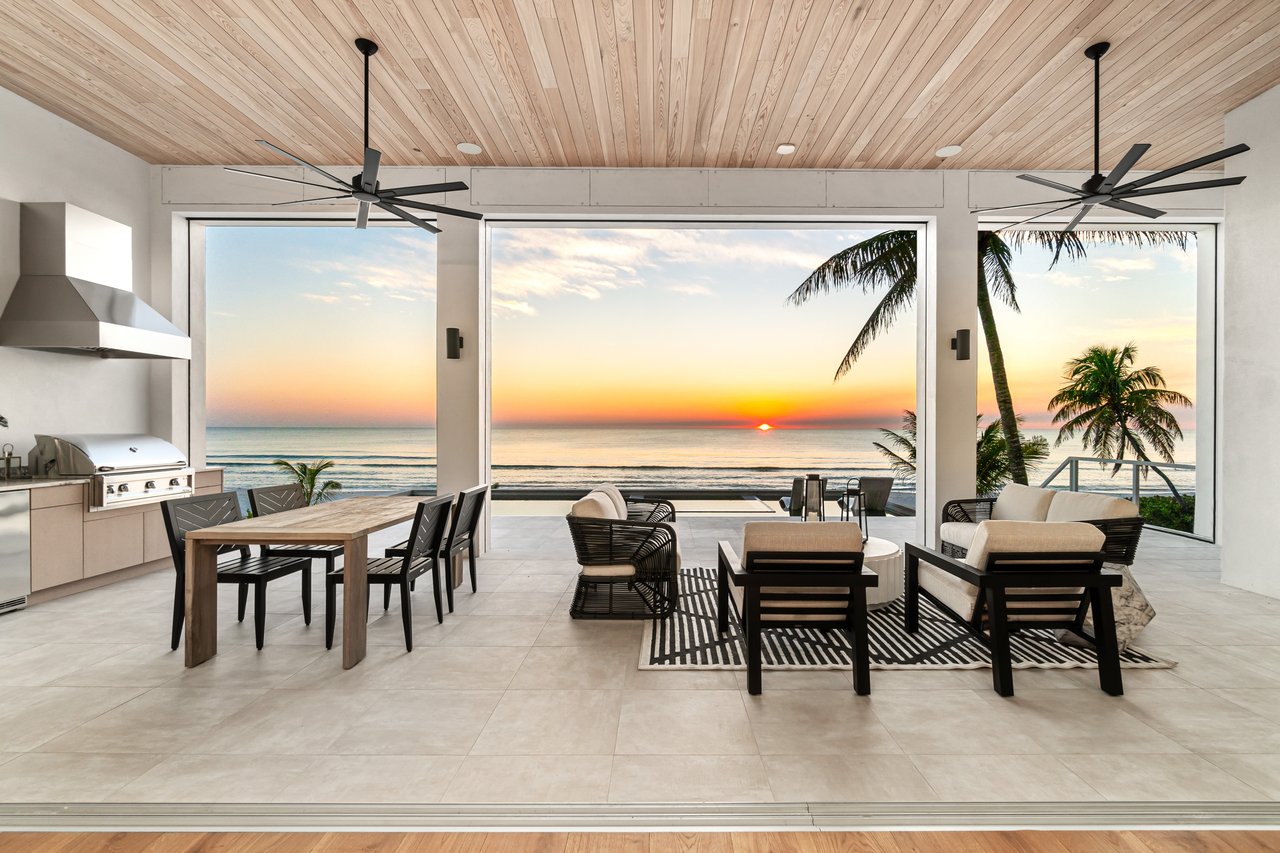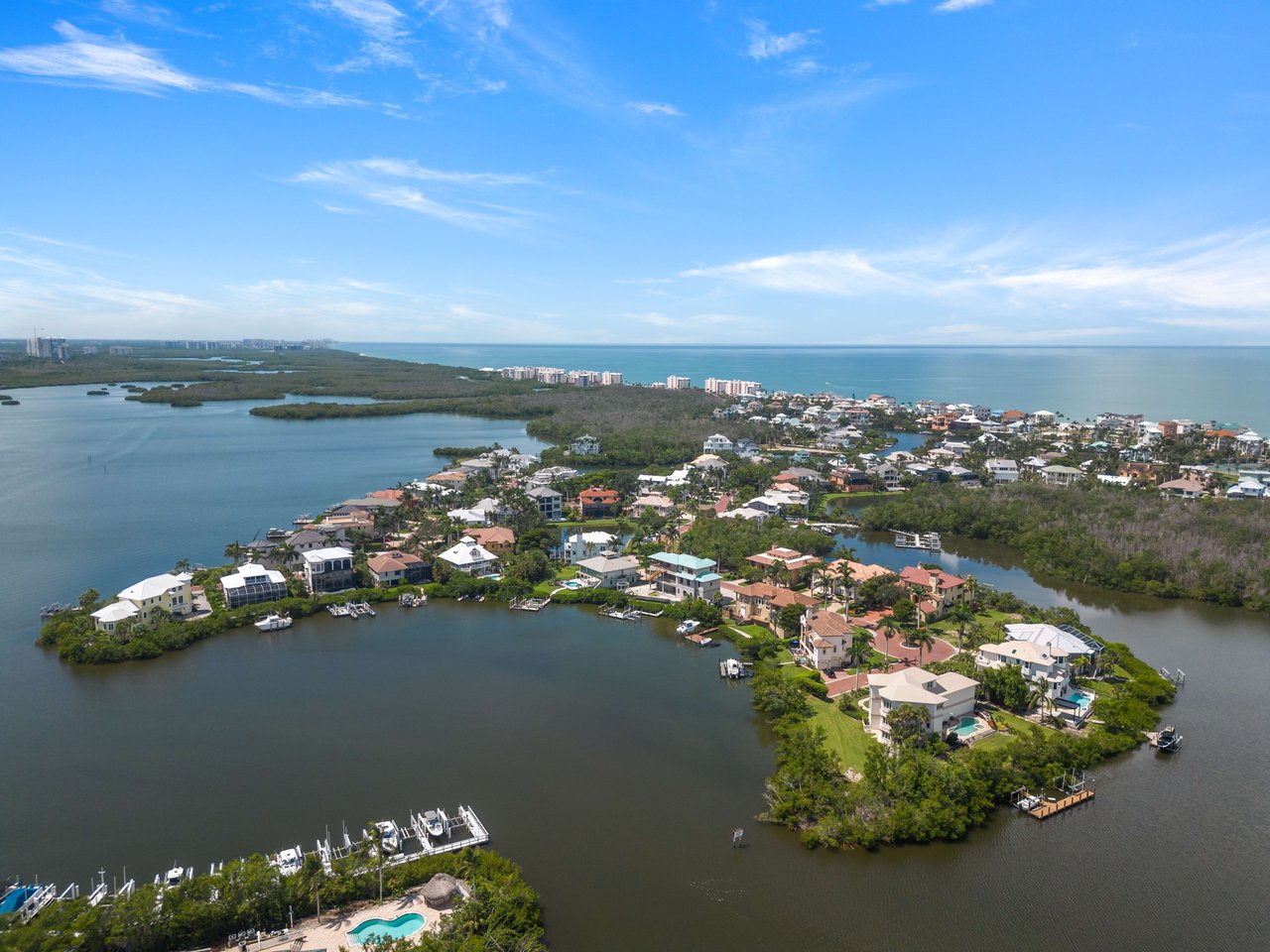
Are you torn between Barefoot Beach and Bonita Beach for a second home? You are not alone. These neighboring stretches of sand feel similar at first glance, yet they deliver very different lifestyles, ownership costs, and rental rules. In this guide, you will get a clear, side‑by‑side look at beach experience, boating access, property types, rental potential, and the county rules that shape your bottom line. Let’s dive in.
Quick take: who each beach fits
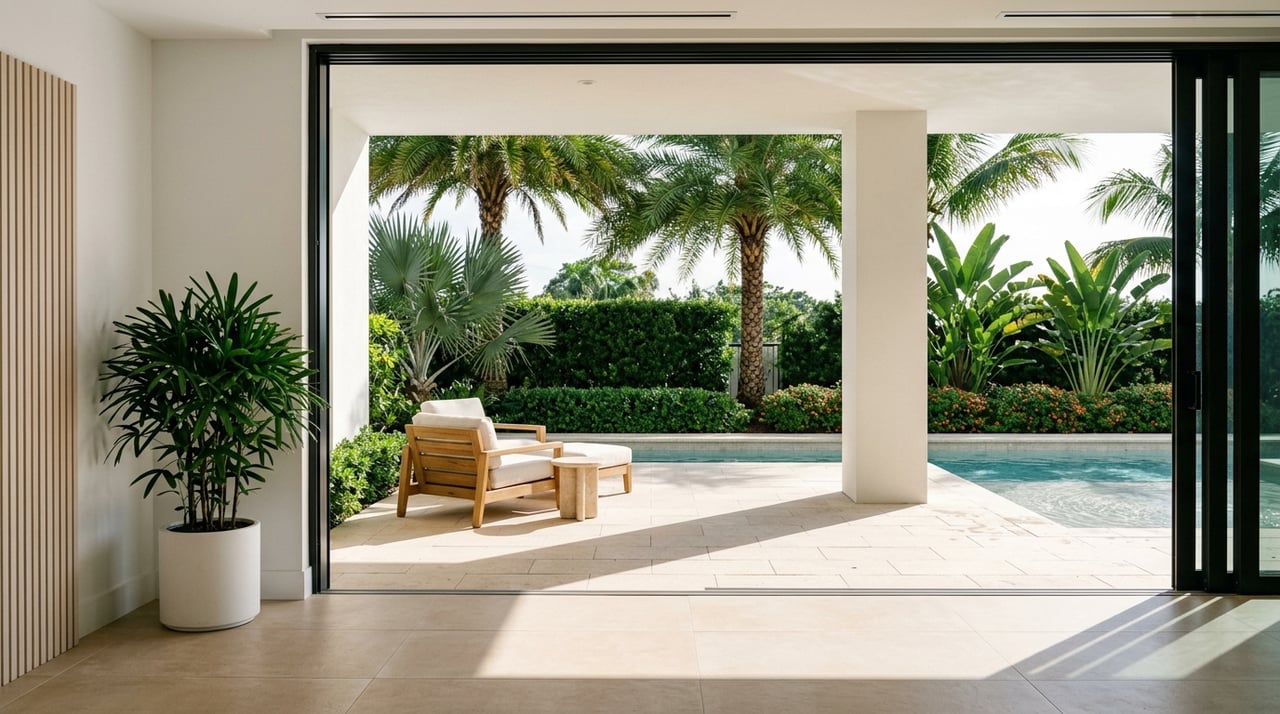
- Choose Barefoot Beach if you value a quieter, nature‑framed shoreline, gated neighborhoods, and bayfront homes with quick Gulf access from private docks.
- Choose Bonita Beach if you want more public beach amenities, nearby restaurants, and a corridor that suits casual walkability and visitor activity.
A critical note before you compare properties: these beaches sit in different counties, which affects your taxes and rental permits. Keep reading for the exact line.
Jurisdiction and taxes
Where the county line runs
- Barefoot Beach Preserve and the Barefoot Beach residential neighborhood sit in Collier County. The preserve is managed by Collier County Parks and Recreation. You can confirm the setting on the Barefoot Beach Preserve park page.
- Bonita Beach Park and most public accesses along Bonita Beach are administered by Lee County and the City of Bonita Springs. That shift in jurisdiction changes how rentals, taxes, and permits work.
Jurisdiction cheat sheet:
- Barefoot Beach Preserve — Collier County
- Bonita Beach Park — Lee County / City of Bonita Springs
Why jurisdiction affects your costs
- Tourist Development Tax (TDT): Both Collier and Lee counties collect a local tourist tax on stays of six months or less. Collier’s program and updates are summarized by the county’s Tourist Development Council. Always confirm current rates before you underwrite rental income.
- Short‑term rental registration: If you buy in unincorporated Collier County near Barefoot Beach, short‑term rentals must be registered per Ordinance 2021‑45. That includes an application, a responsible party, and a local registration number on all ads. See the Collier County registration page.
- City rental permits: Inside the City of Bonita Springs, many non‑owner‑occupied rentals require a city Rental Permit with inspection. The fee is currently $100 per unit and permits are valid for three years. Details are on the City of Bonita Springs rental permits page.
Bottom line: Confirm the parcel’s county and city jurisdiction first. Mailing city can be misleading. Your rules, permits, and taxes depend on where the property actually sits.
Beach experience and access
Barefoot Beach Preserve vibe
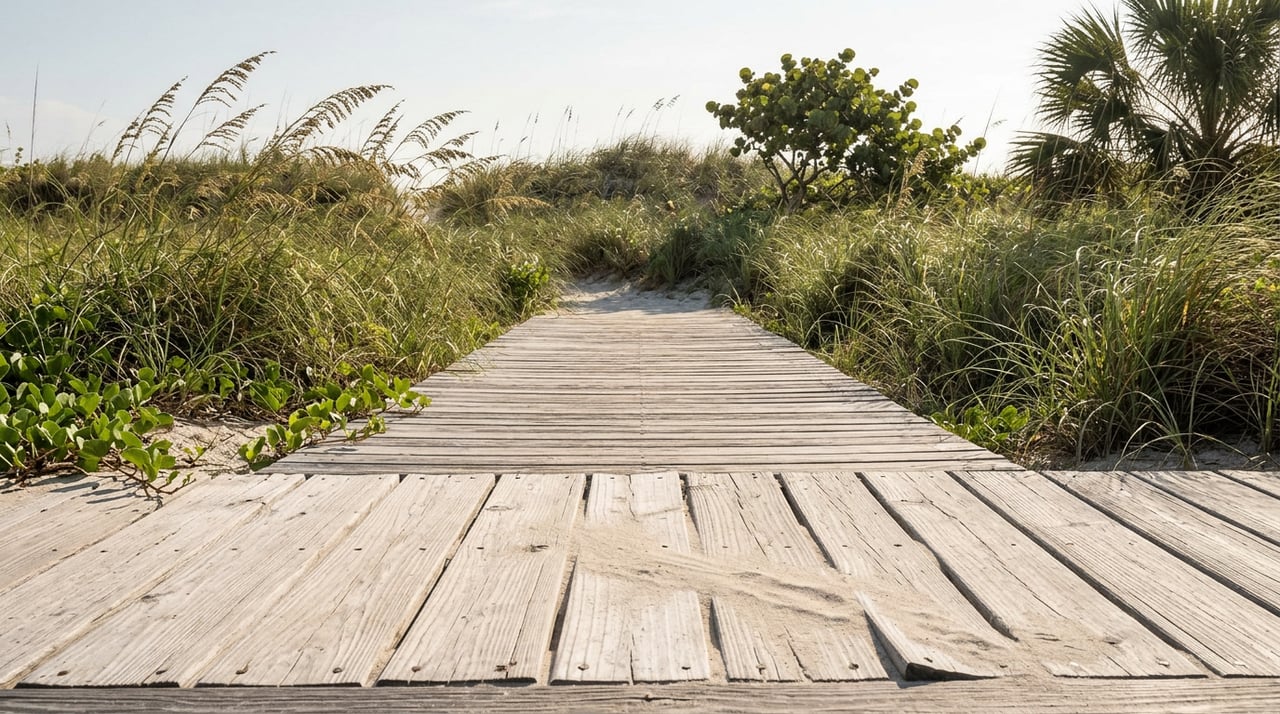
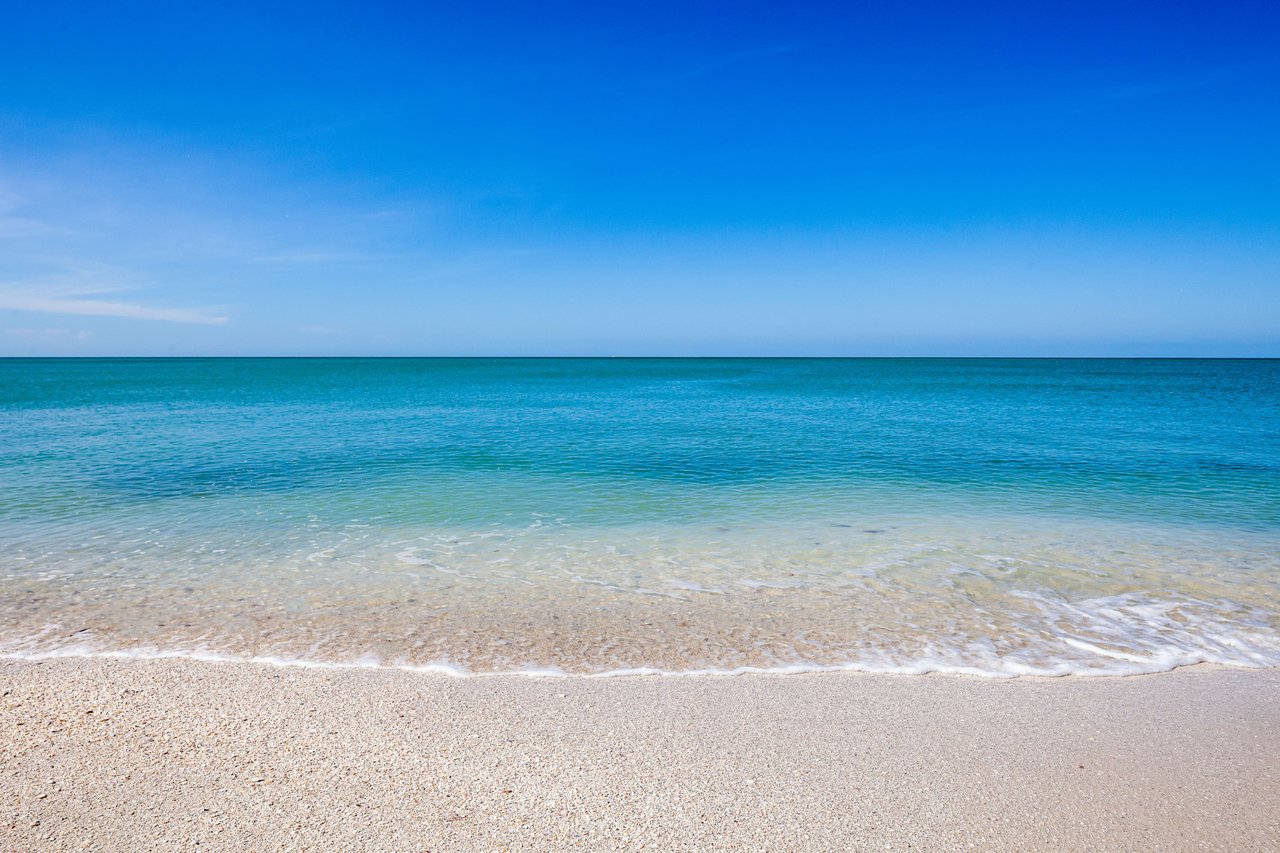
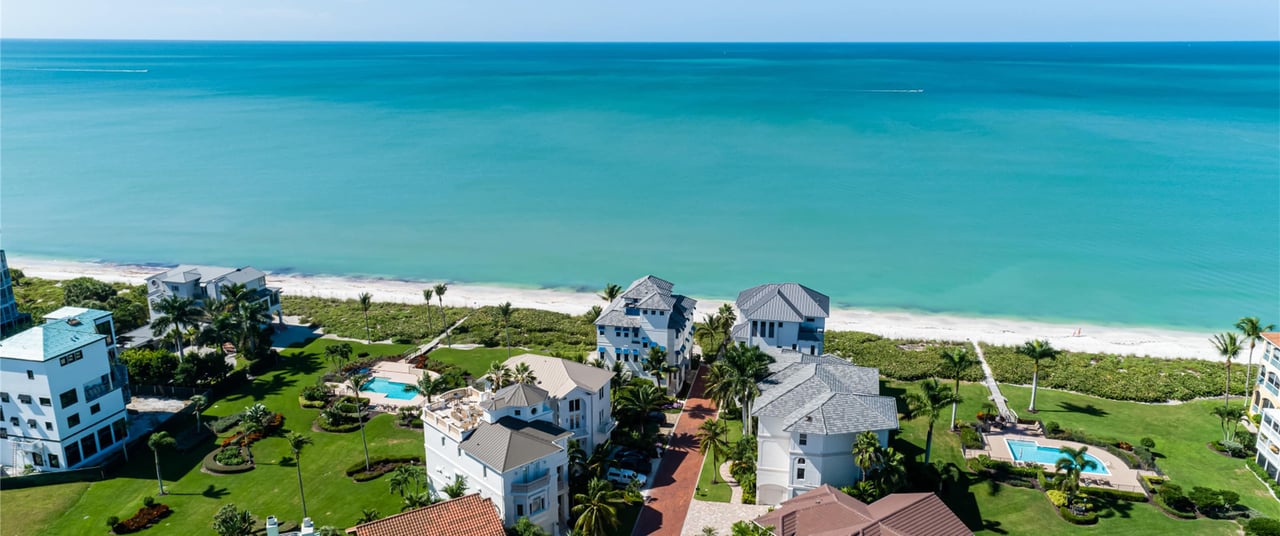
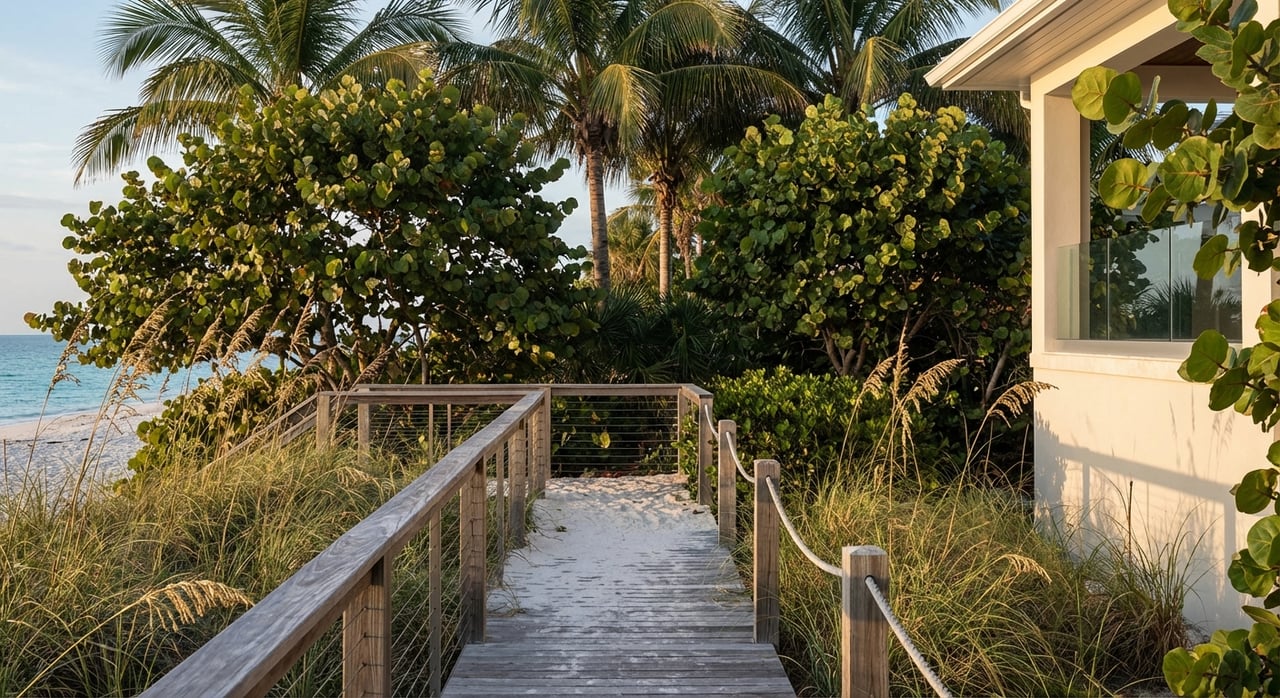
Barefoot Beach Preserve is a large, mostly undeveloped barrier‑island park with boardwalks, dunes, and protected habitat. It is widely regarded as one of the region’s top natural beaches and has historically placed high on Dr. Beach lists. The preserve setting means less commercial build‑out right on the sand, intact dunes, and a calmer shoreline experience for residents. Learn more on the Collier Parks Barefoot Beach Preserve page.
Bonita Beach amenities
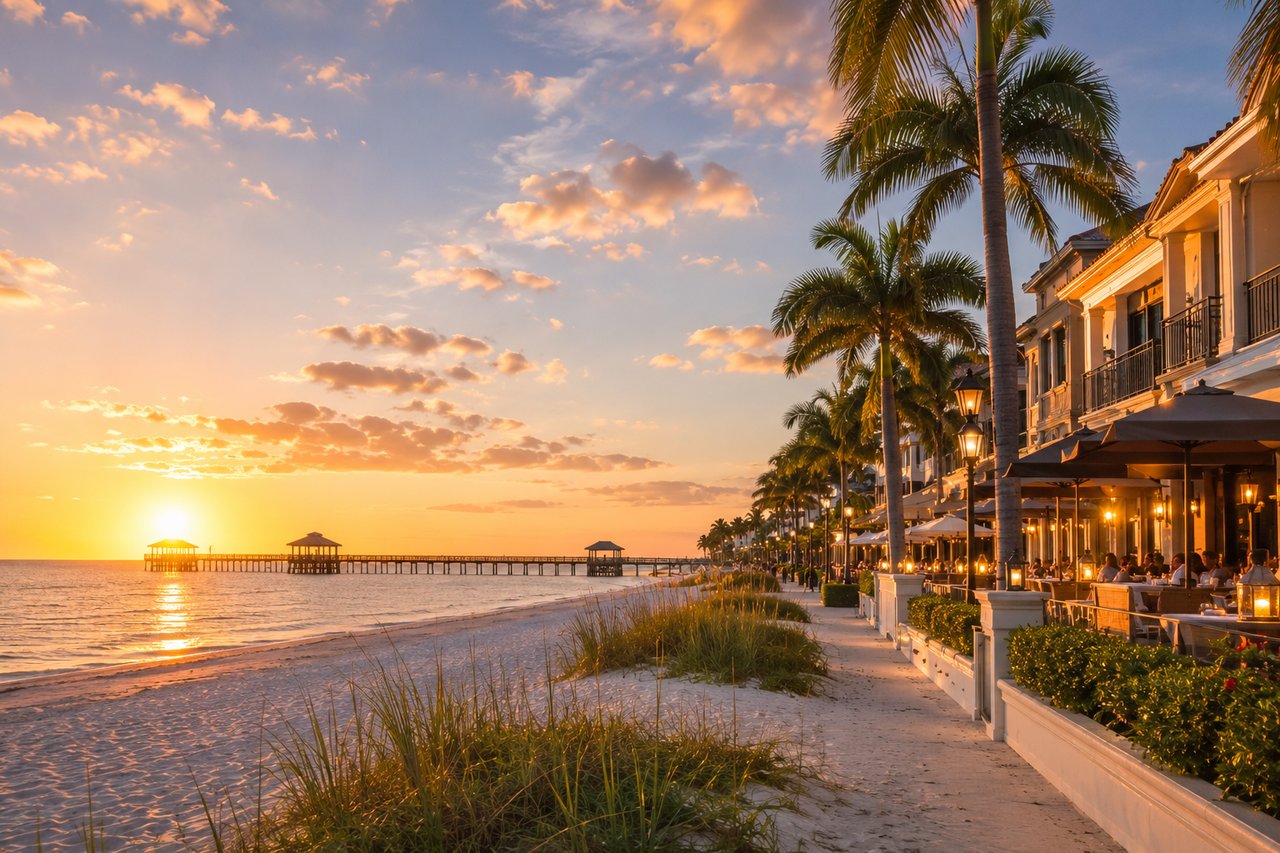
Bonita Beach, also known as Little Hickory Island, offers multiple public beach accesses and a primary park at Bonita Beach Park with picnic shelters, restrooms, and straightforward public parking. It sits near local dining, which creates a lively, family‑friendly feel. For a quick overview of park features, see the Bonita Beach Park description.
Summary of tradeoffs:
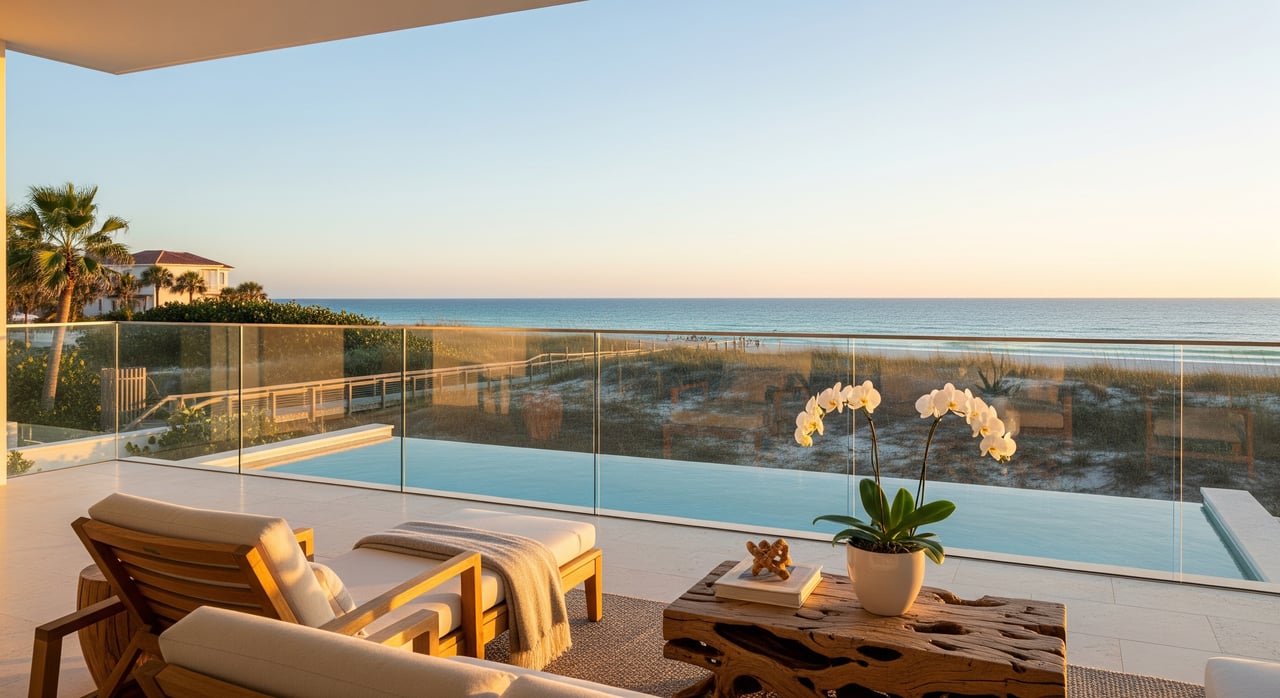
- Barefoot Beach delivers a quieter, nature‑focused shoreline next to high‑end homes and condos.
- Bonita Beach provides easier public access and more visitor infrastructure near the sand.
Property types and pricing cues
What you will see listed reflects the character of each corridor.
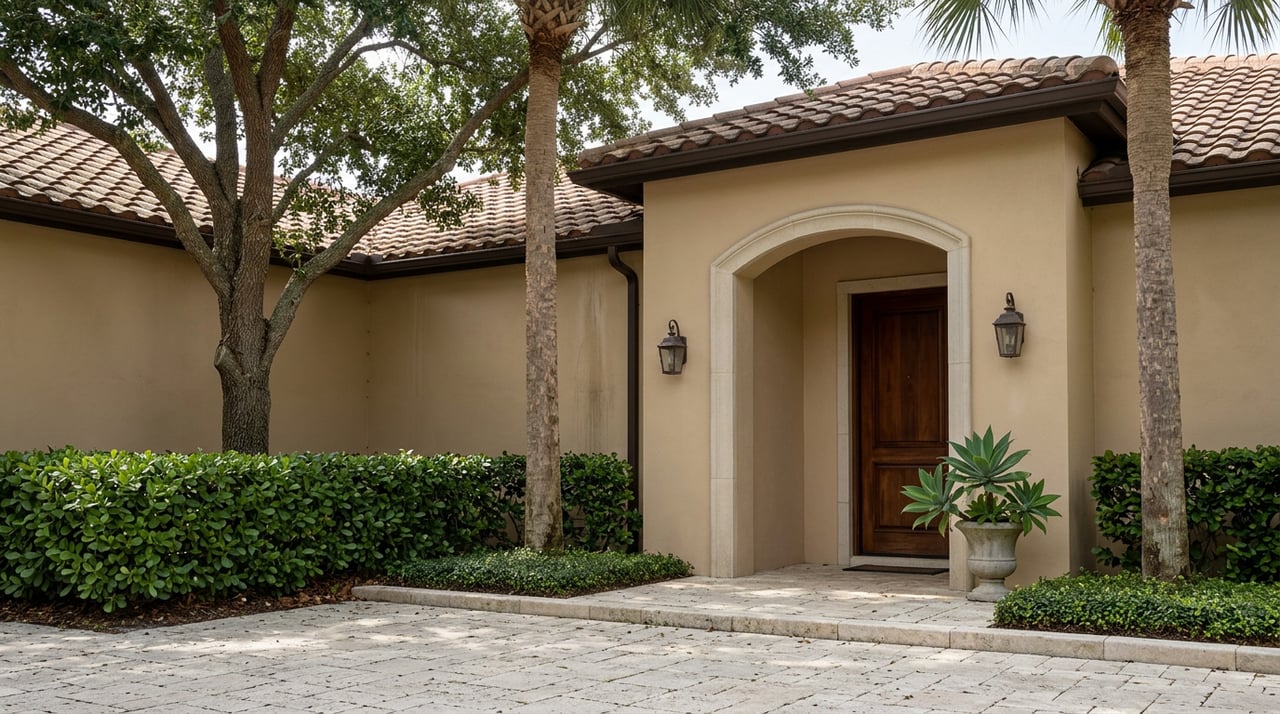
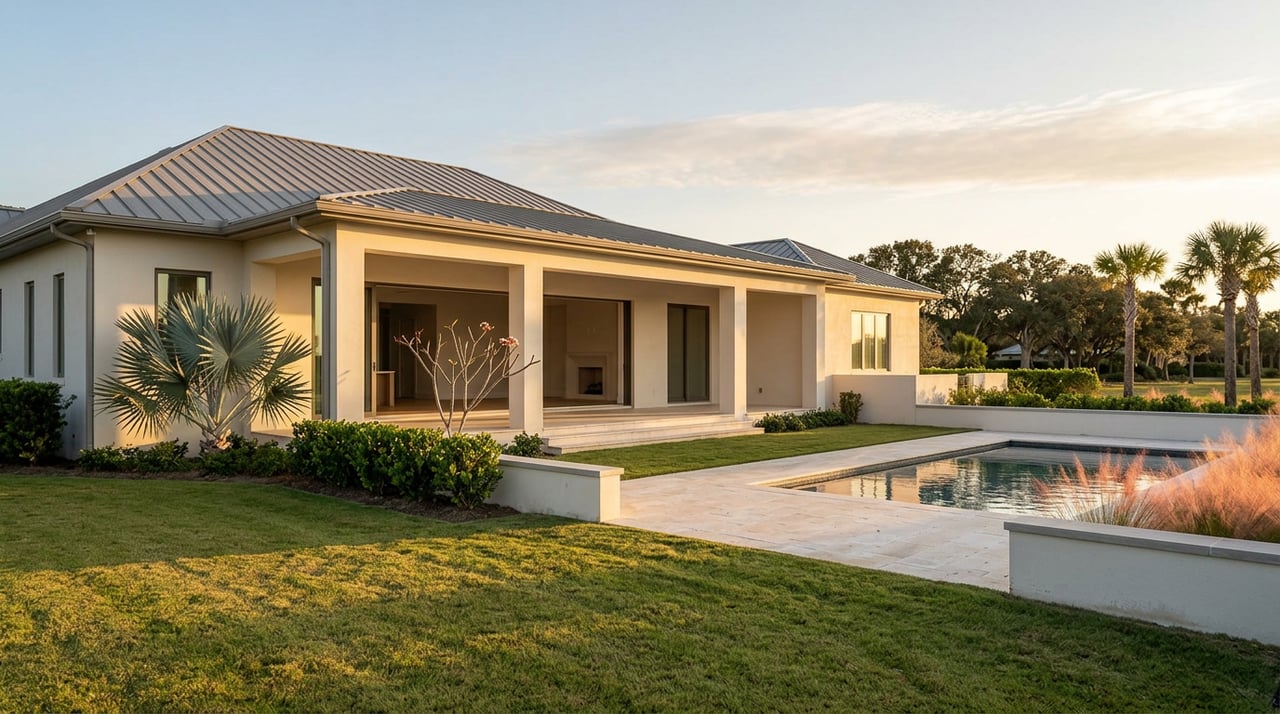
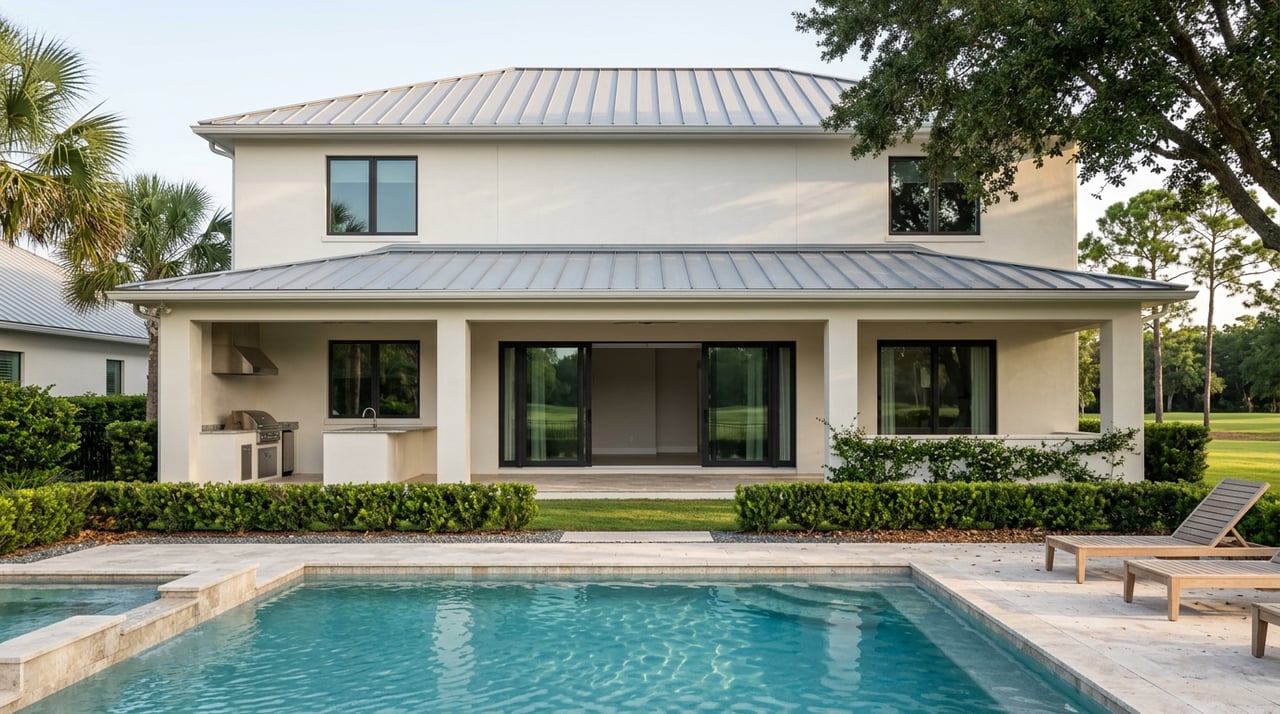
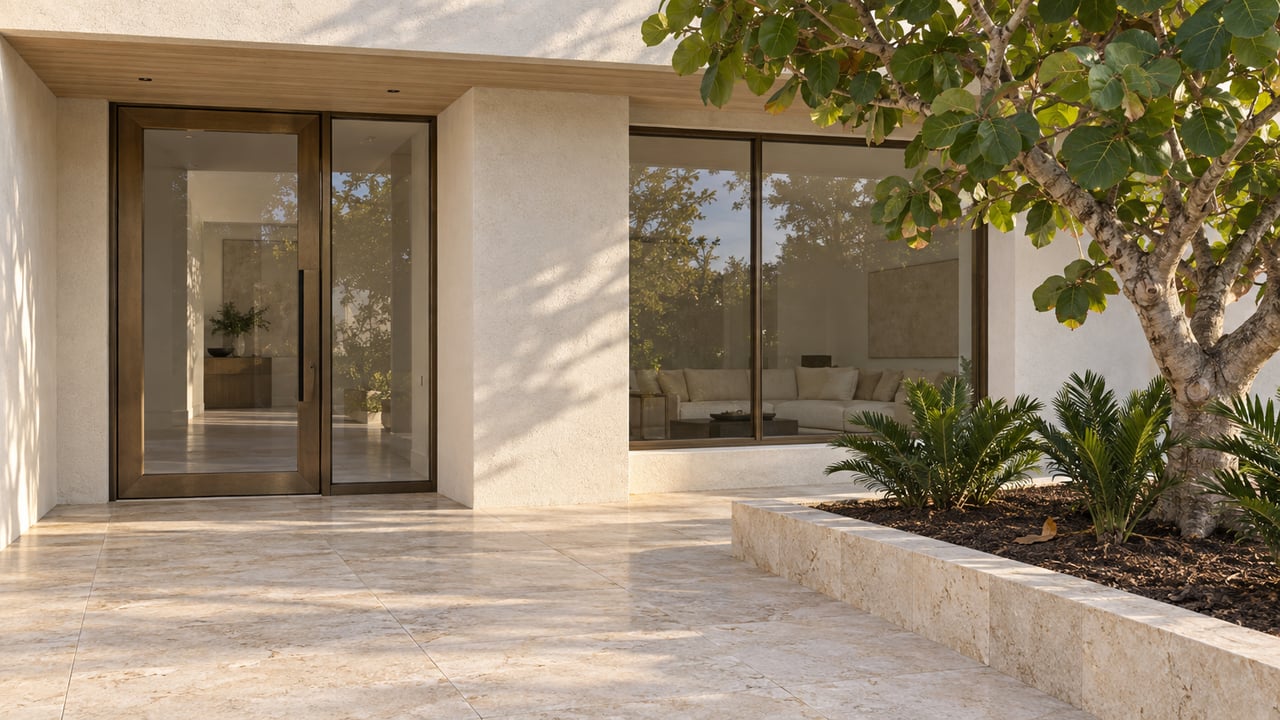
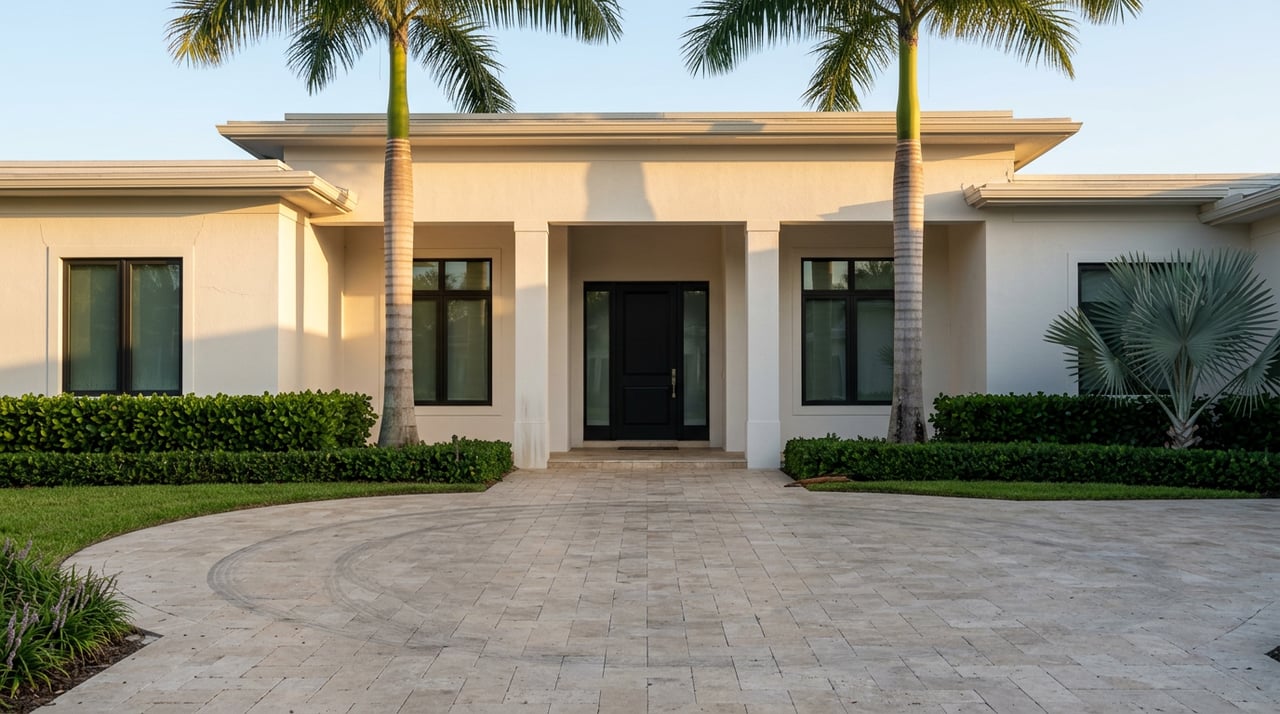
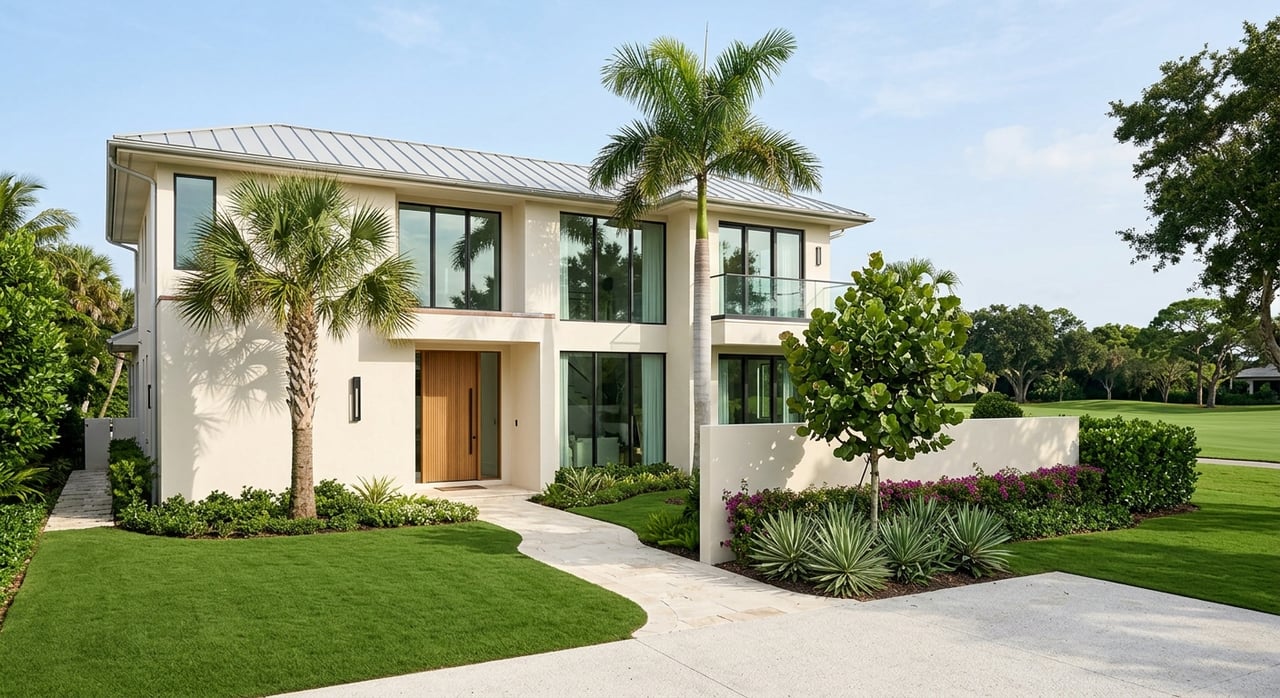
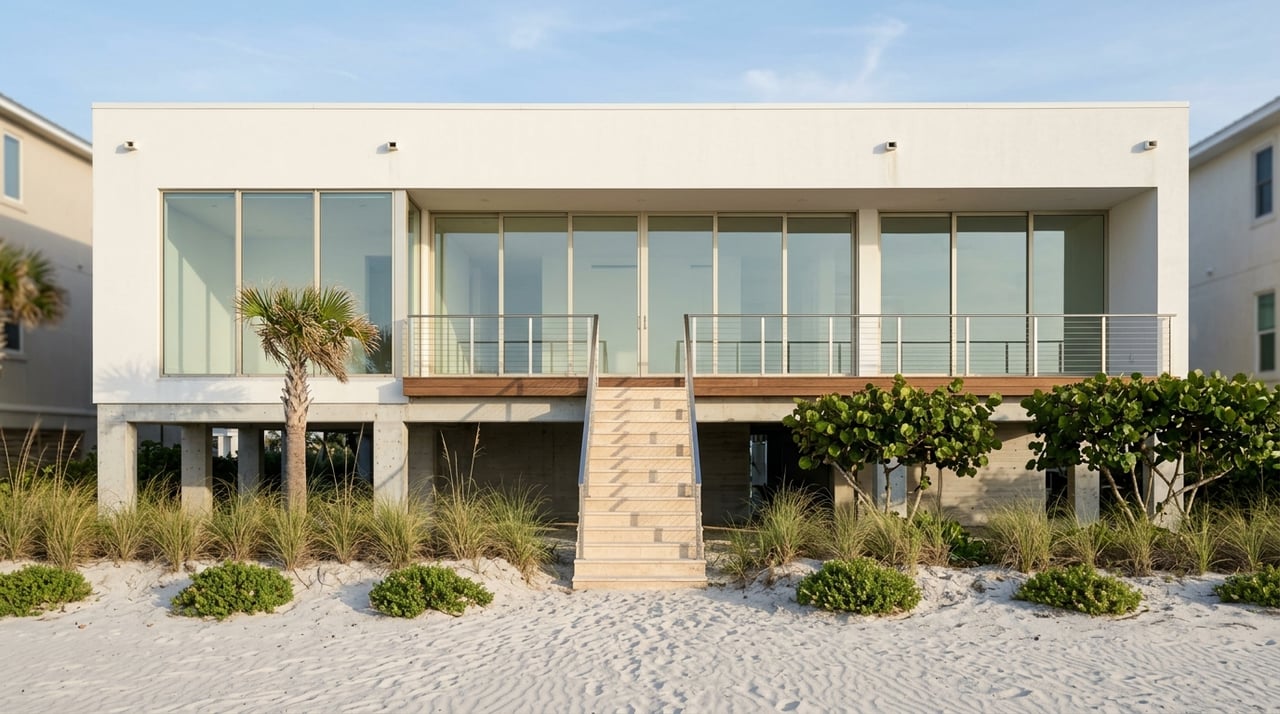
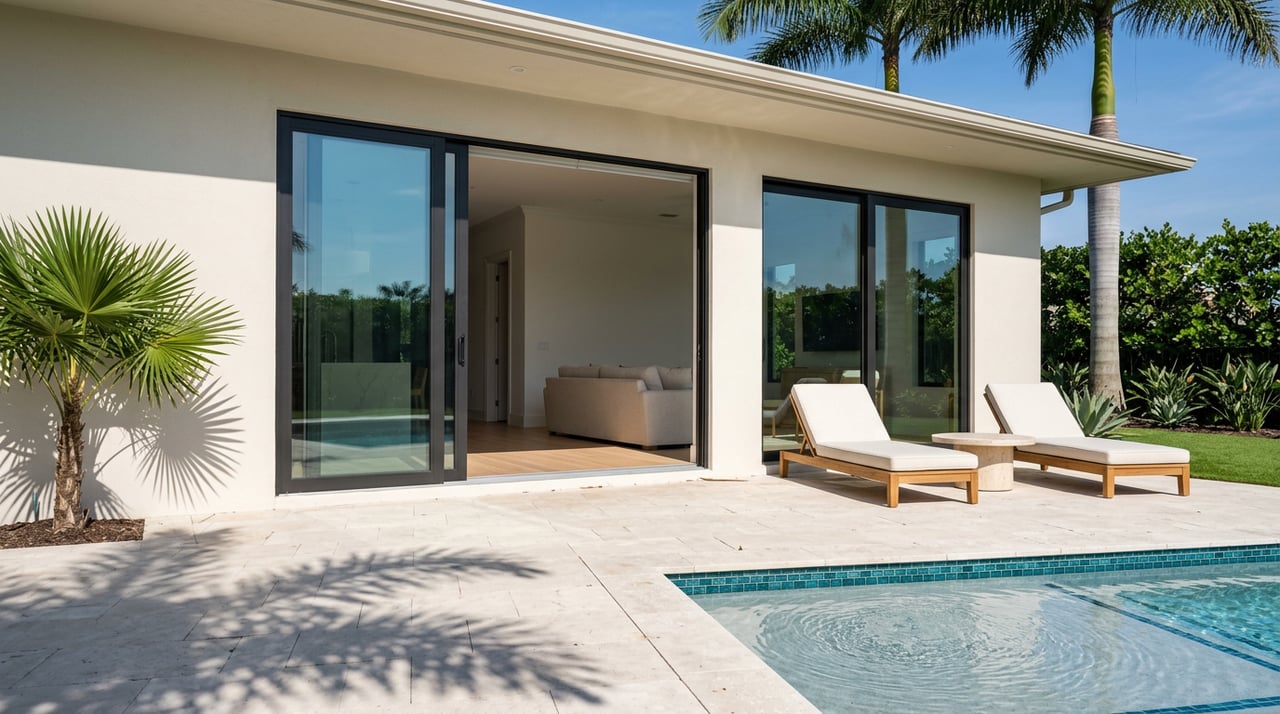
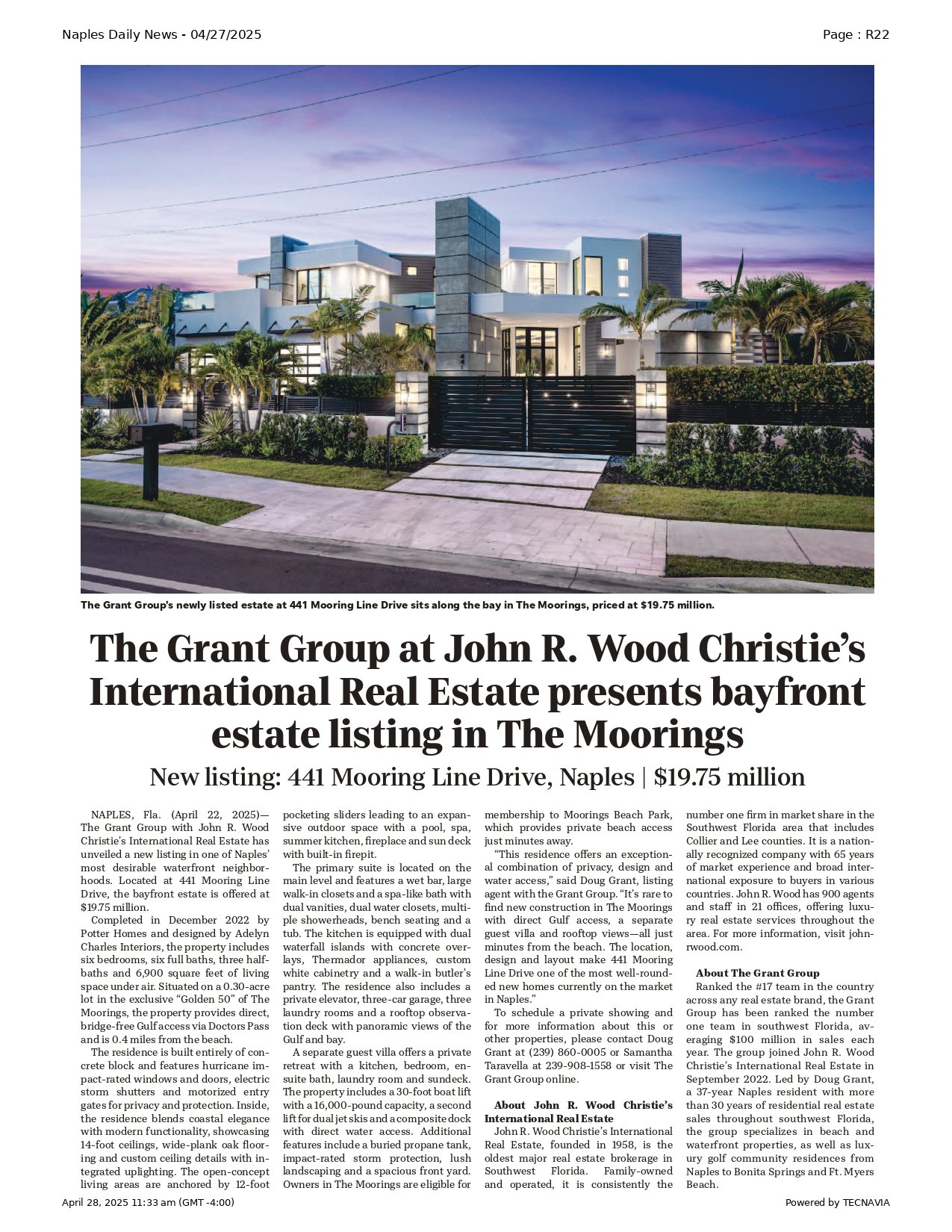
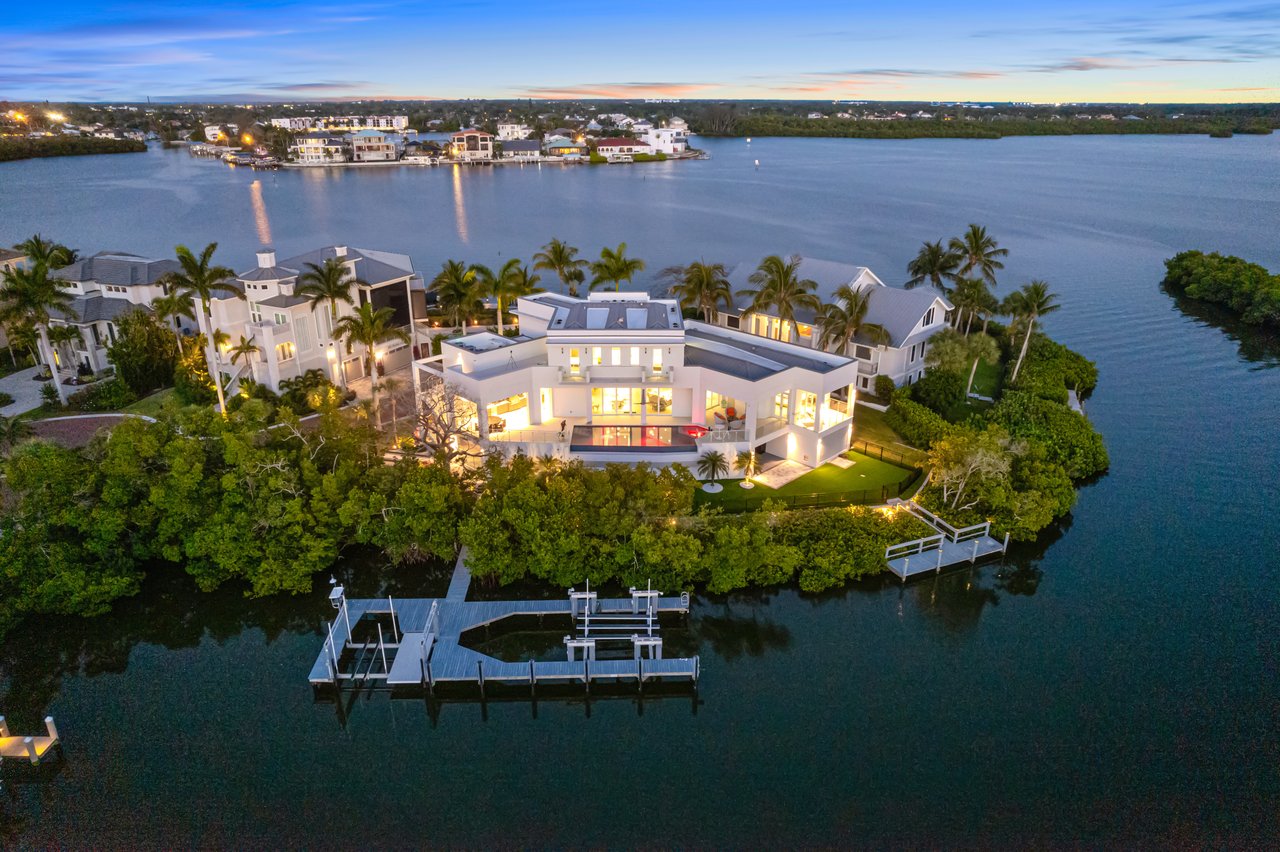
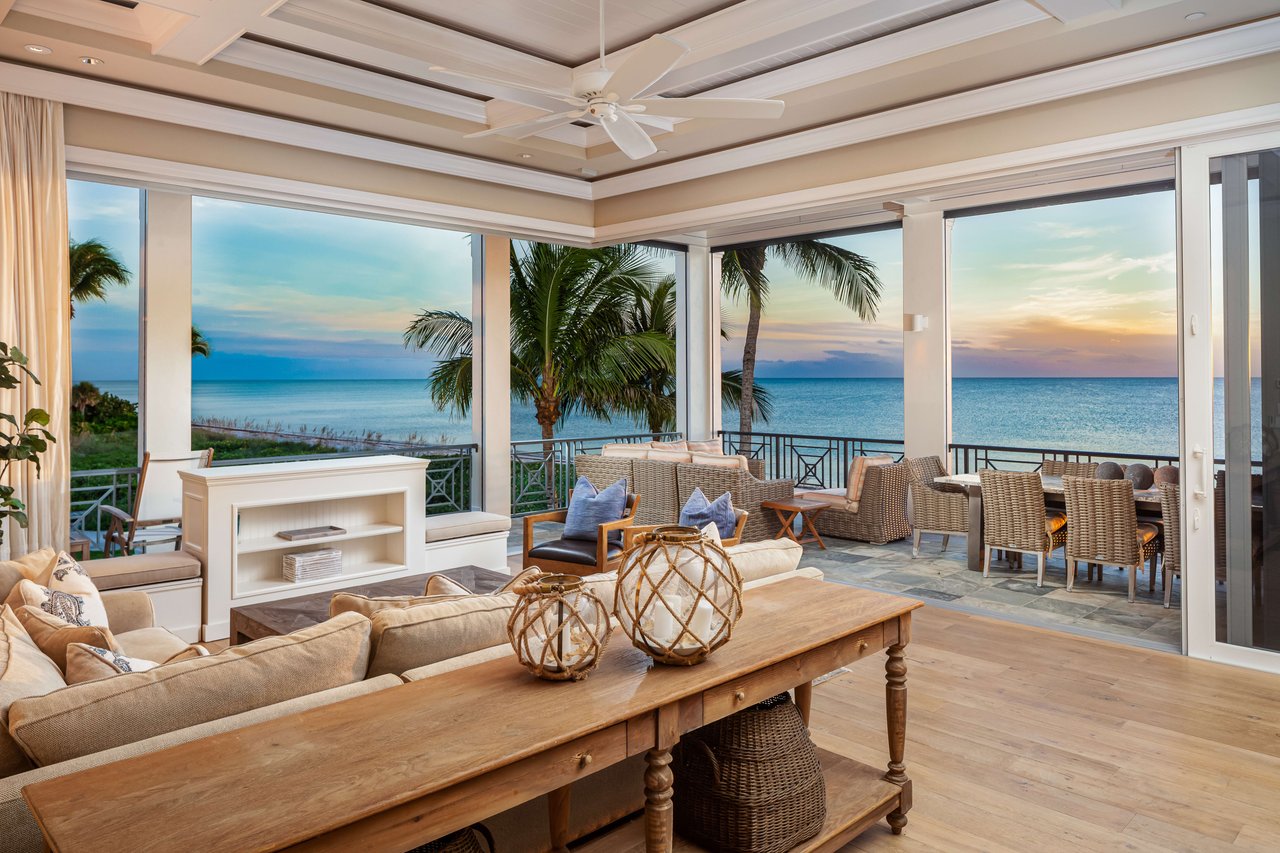
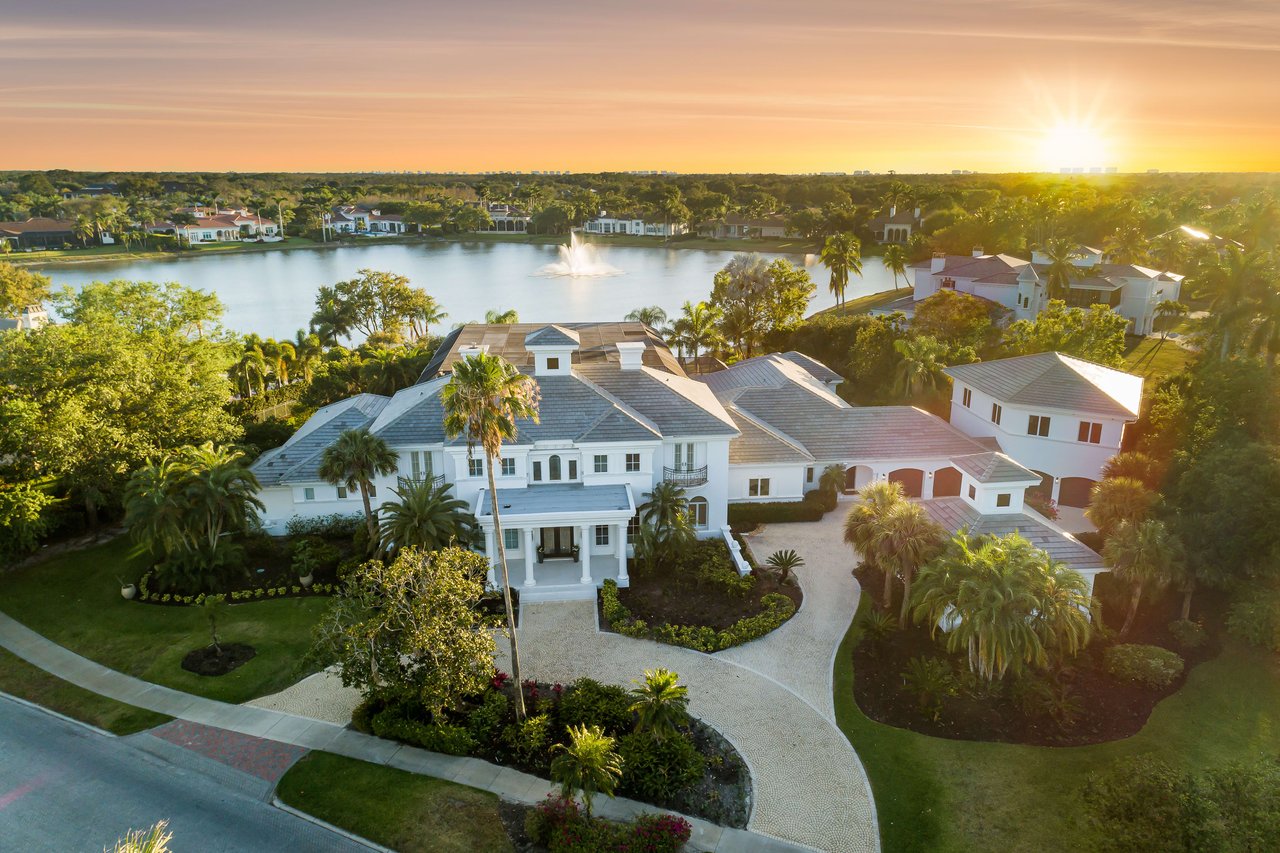
- Barefoot Beach: A gated, beach‑to‑bay community with gulf‑front estates, bayfront homes with private docks, mid‑rise gulf‑front condos, and attached villas. Marketing for the neighborhood often highlights club options at The Club at Barefoot Beach and 24‑hour security. Listings in recent years show gulf‑front condos and villas often in the multi‑million range, with custom estates reaching well above that depending on lot, frontage, and new construction. See community‑level positioning on the Barefoot Beach real estate page.
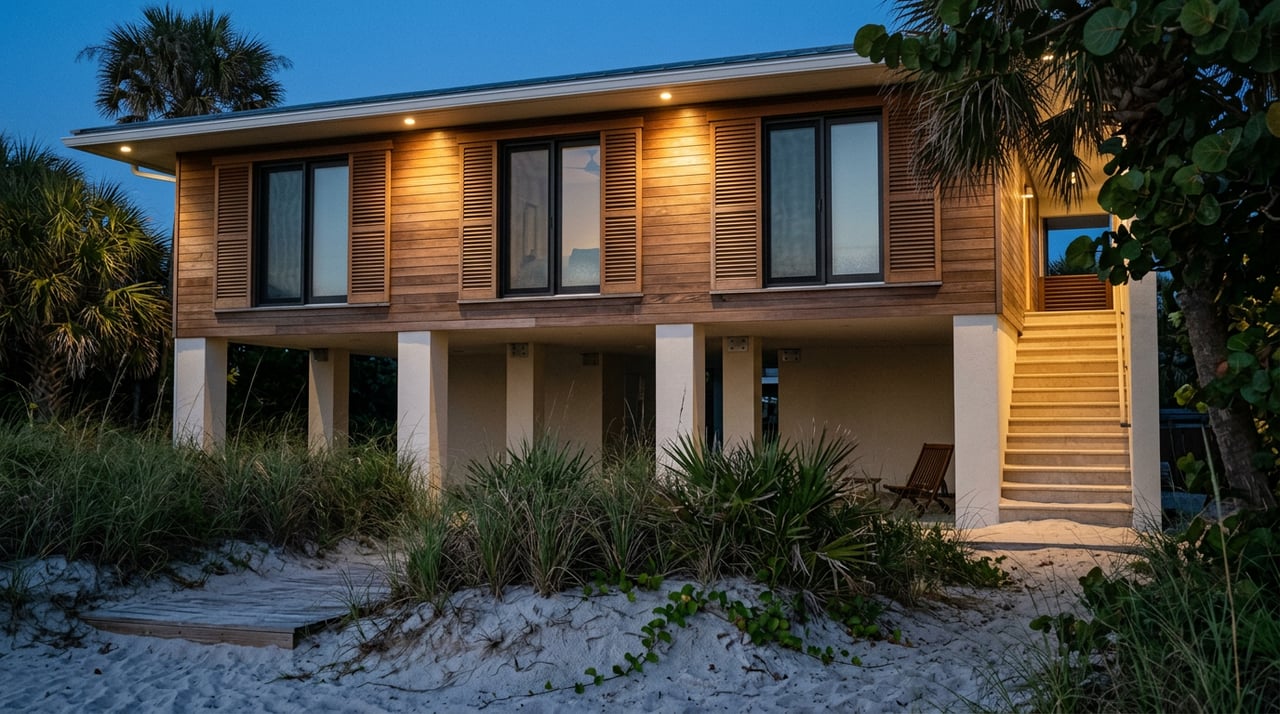
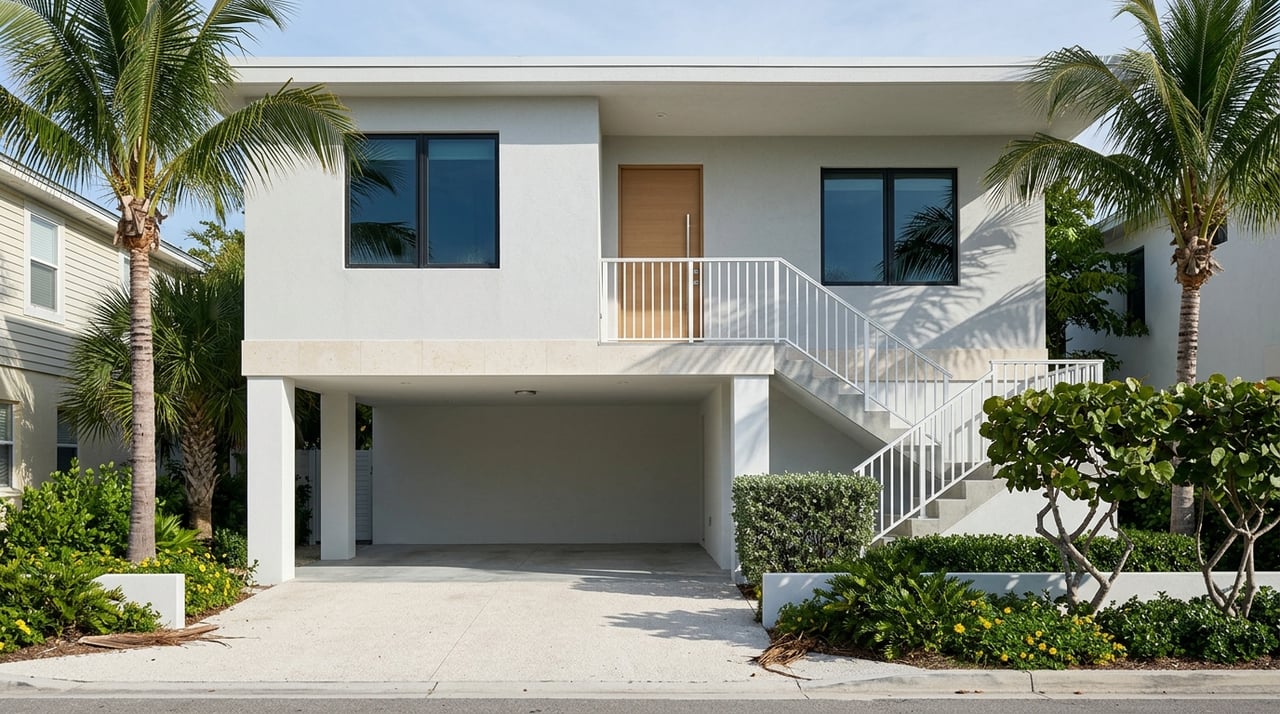
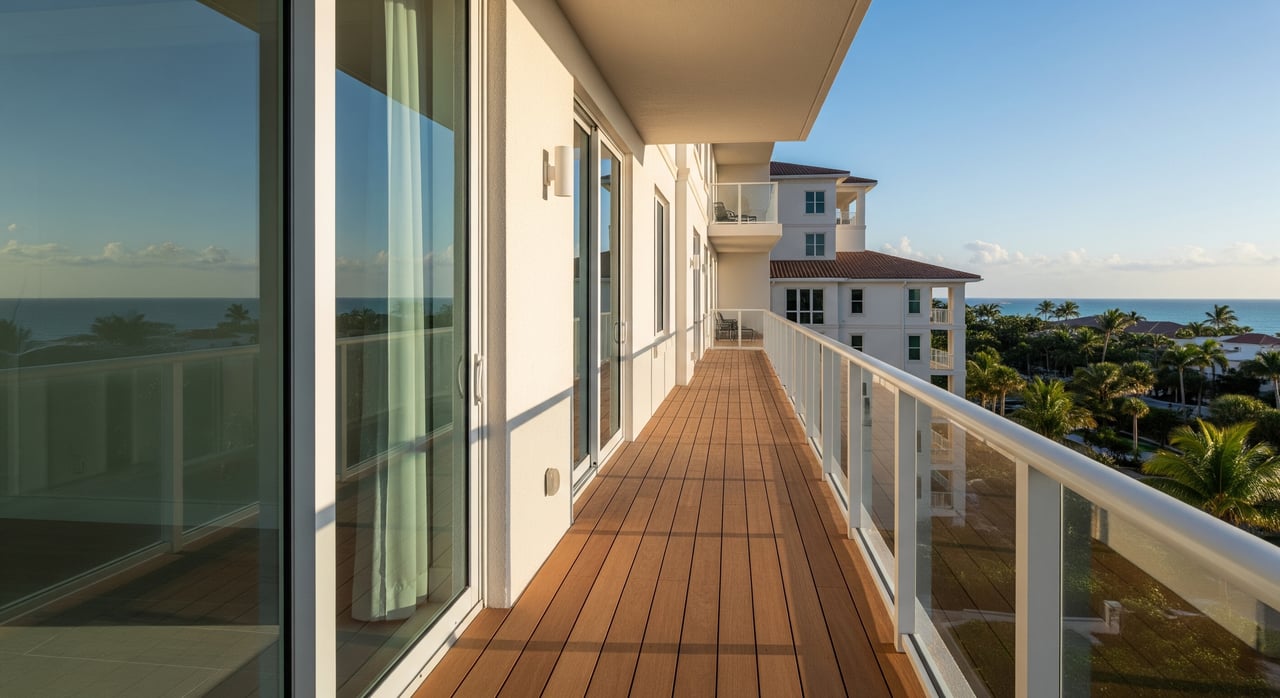
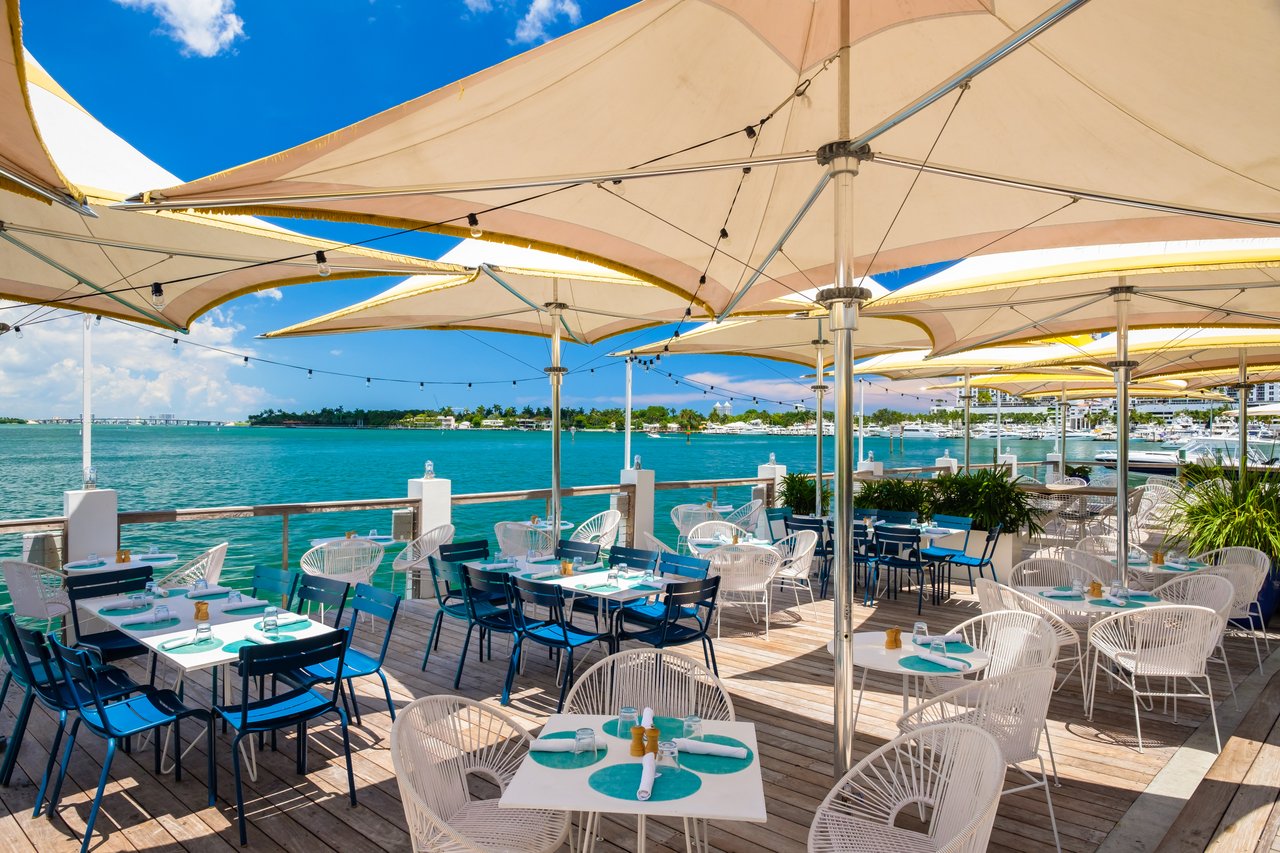
- Bonita Beach: A mix of mid‑rise beachfront condos, bayfront homes, nearby older single‑family streets, and restaurants along the corridor. Prices vary widely. Some condos and homes come in below Barefoot’s flagship estates, while standout lots and views still command luxury figures.
If you are considering a purchase, ask for current MLS comps in both areas that match your product type. That means comparing a gulf‑front condo to another gulf‑front condo, and a bayfront docked home to similar docked properties.
Boating and marina access
For many second‑home buyers, boating access is the deciding factor.
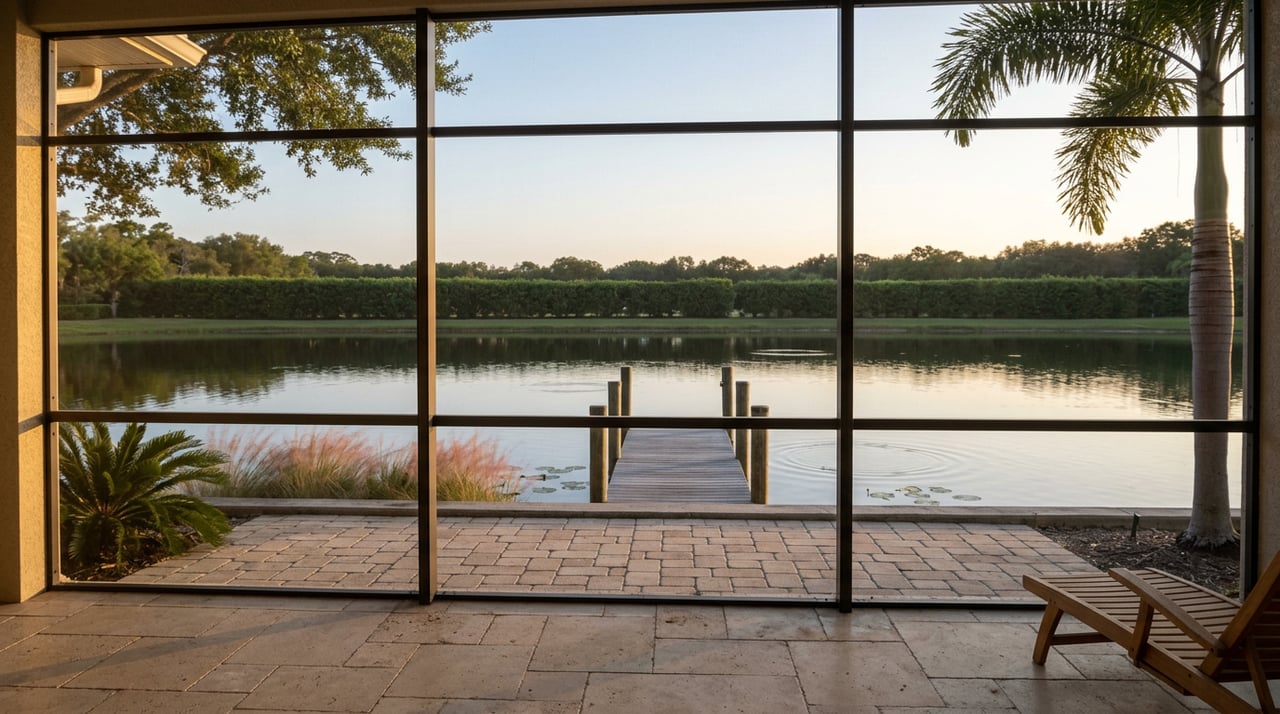
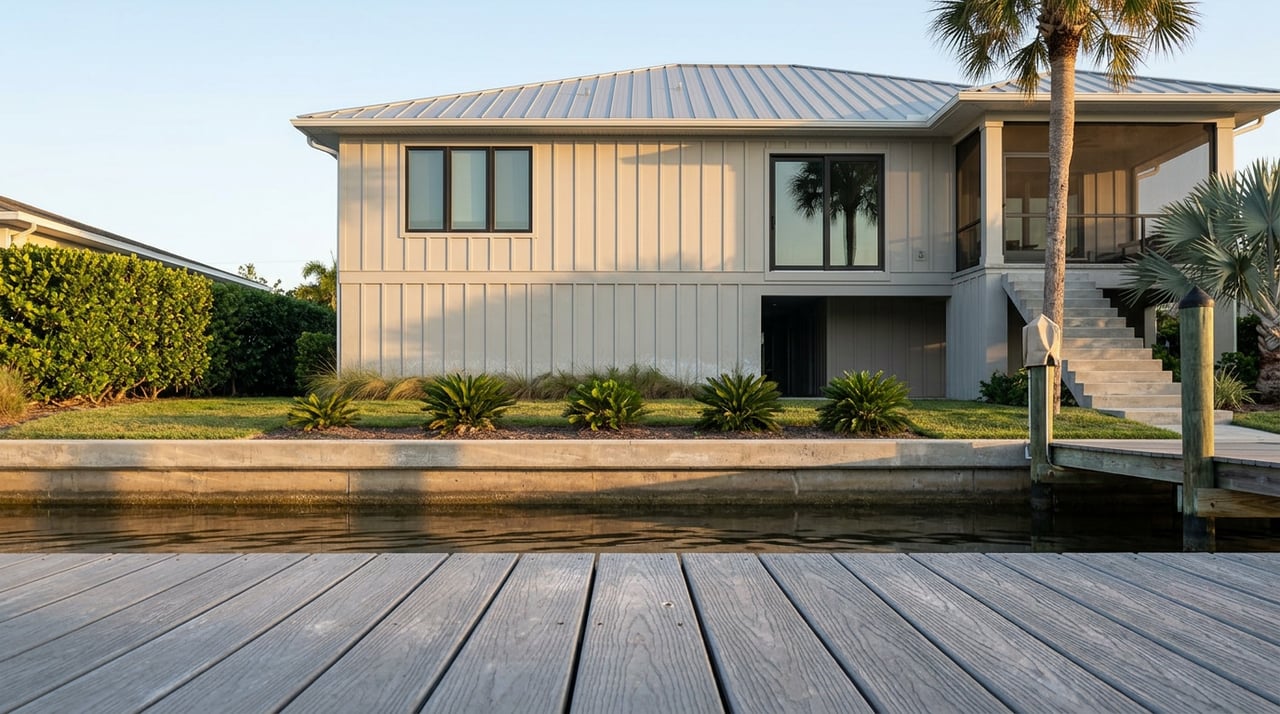
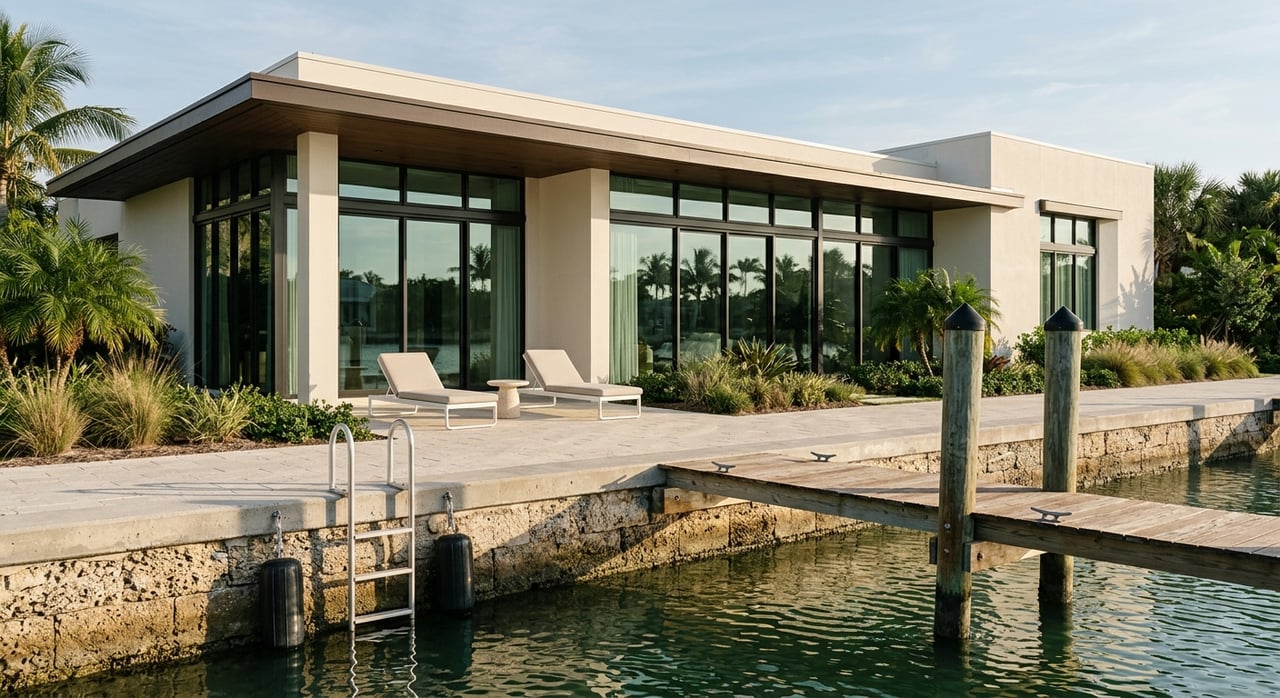
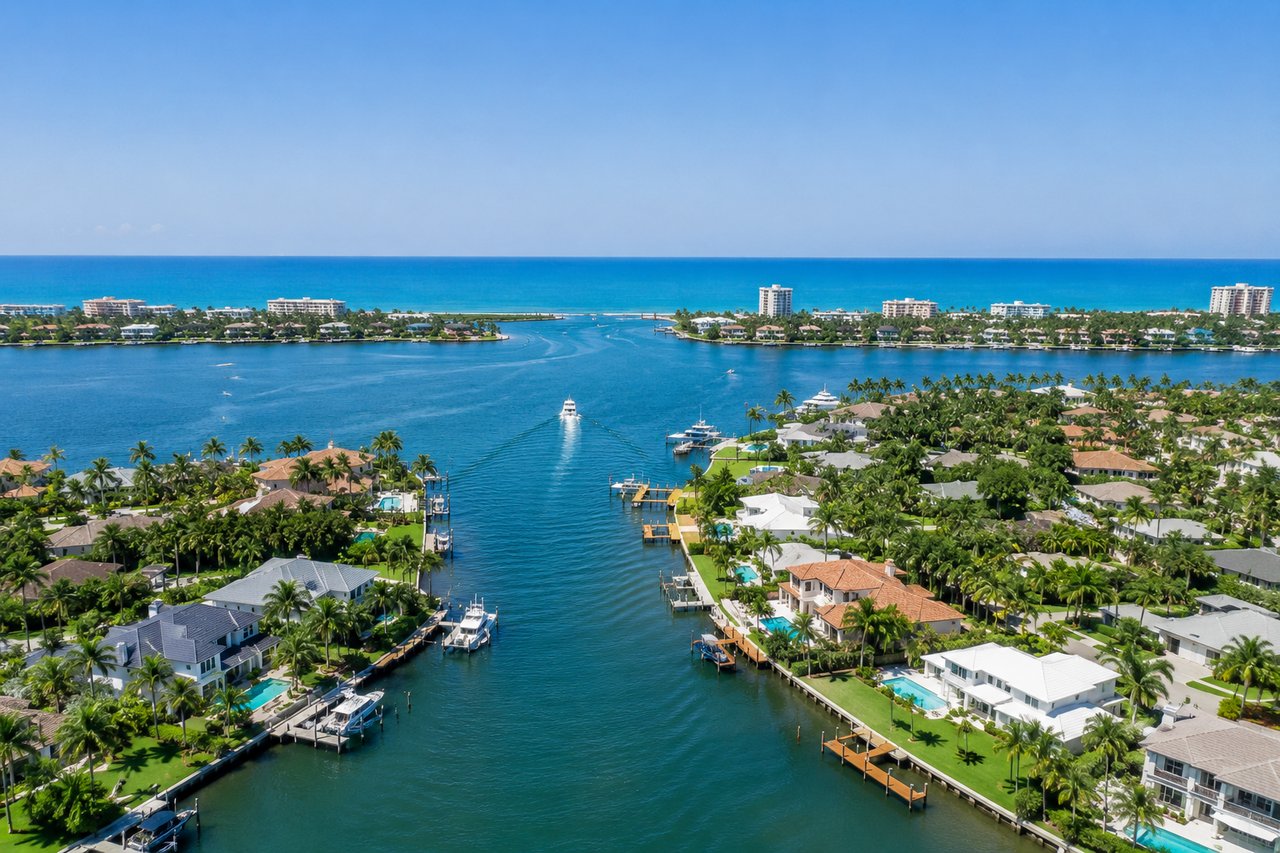
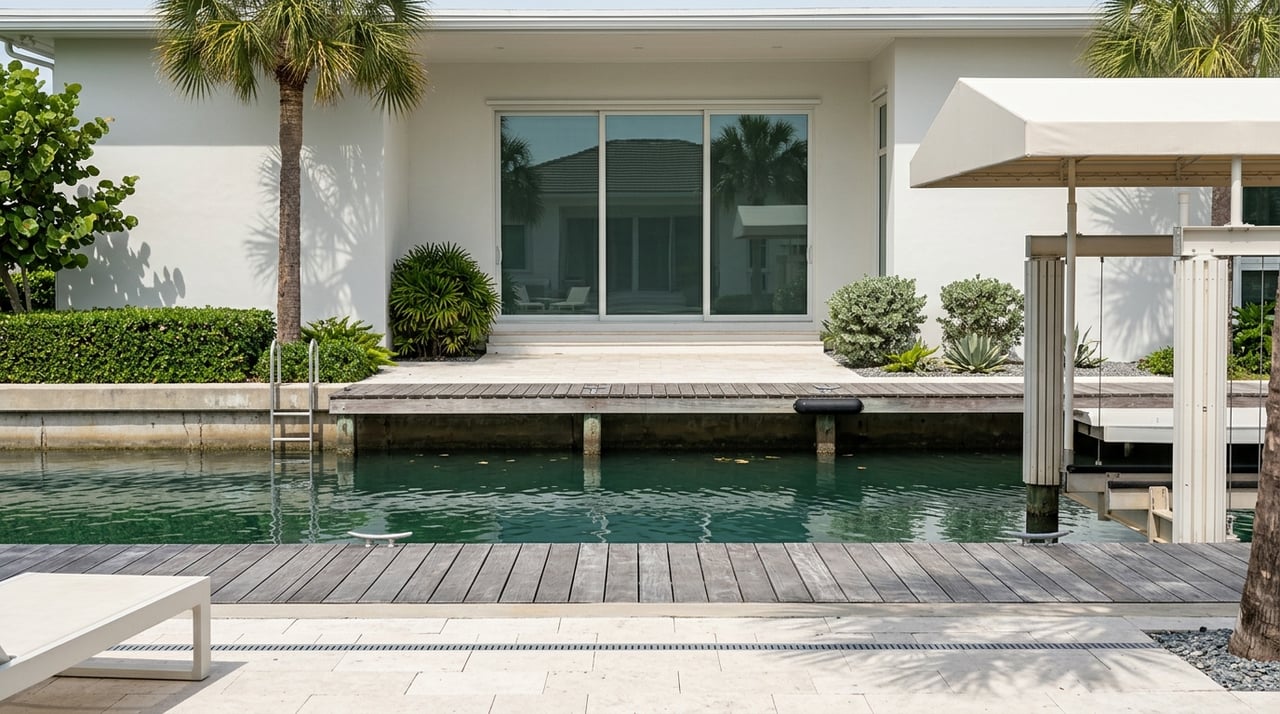
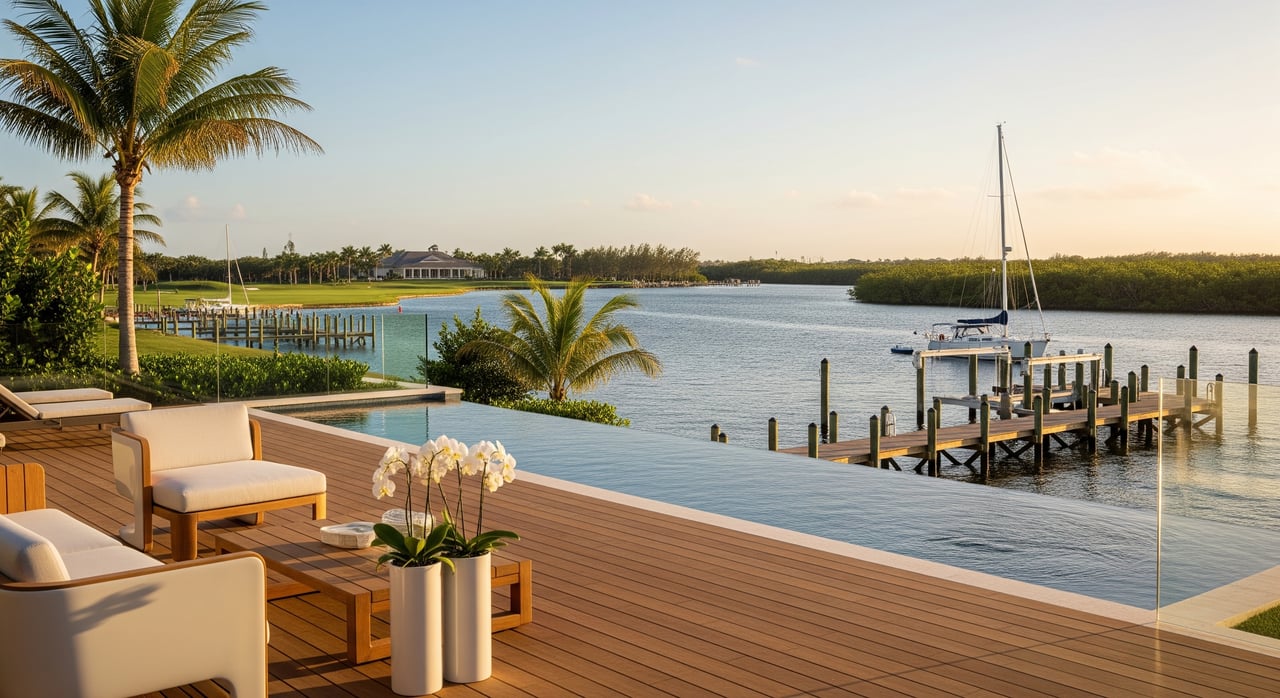
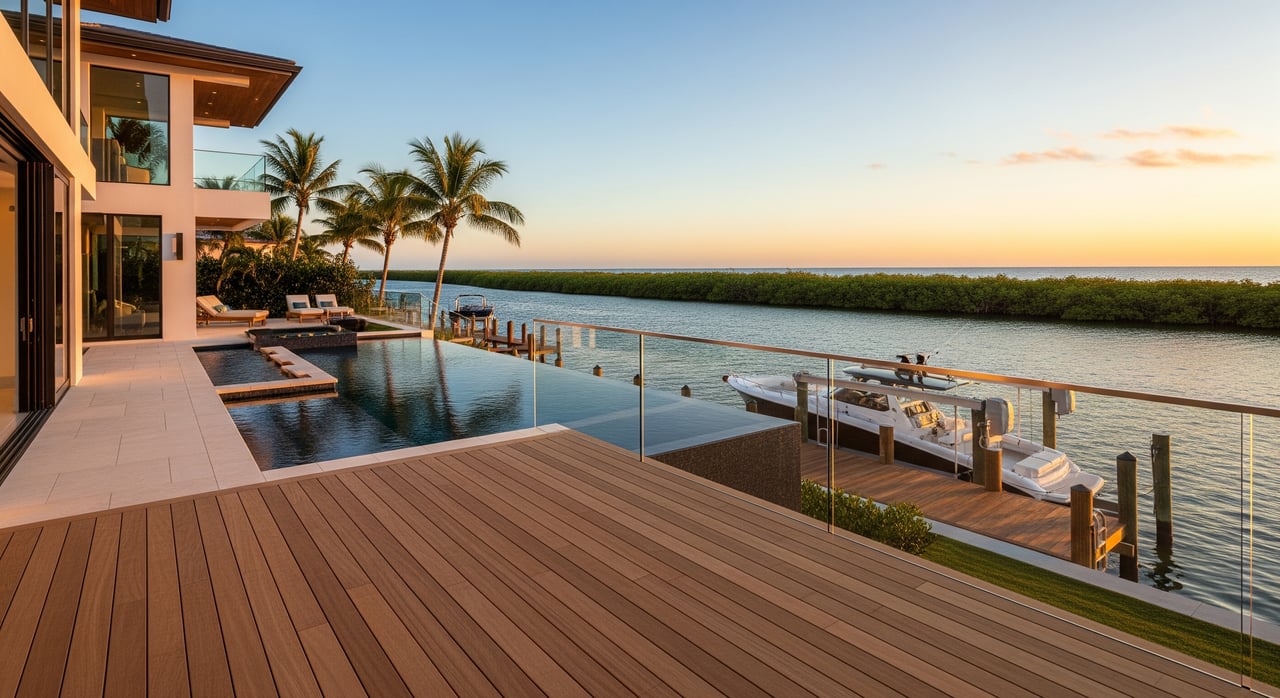
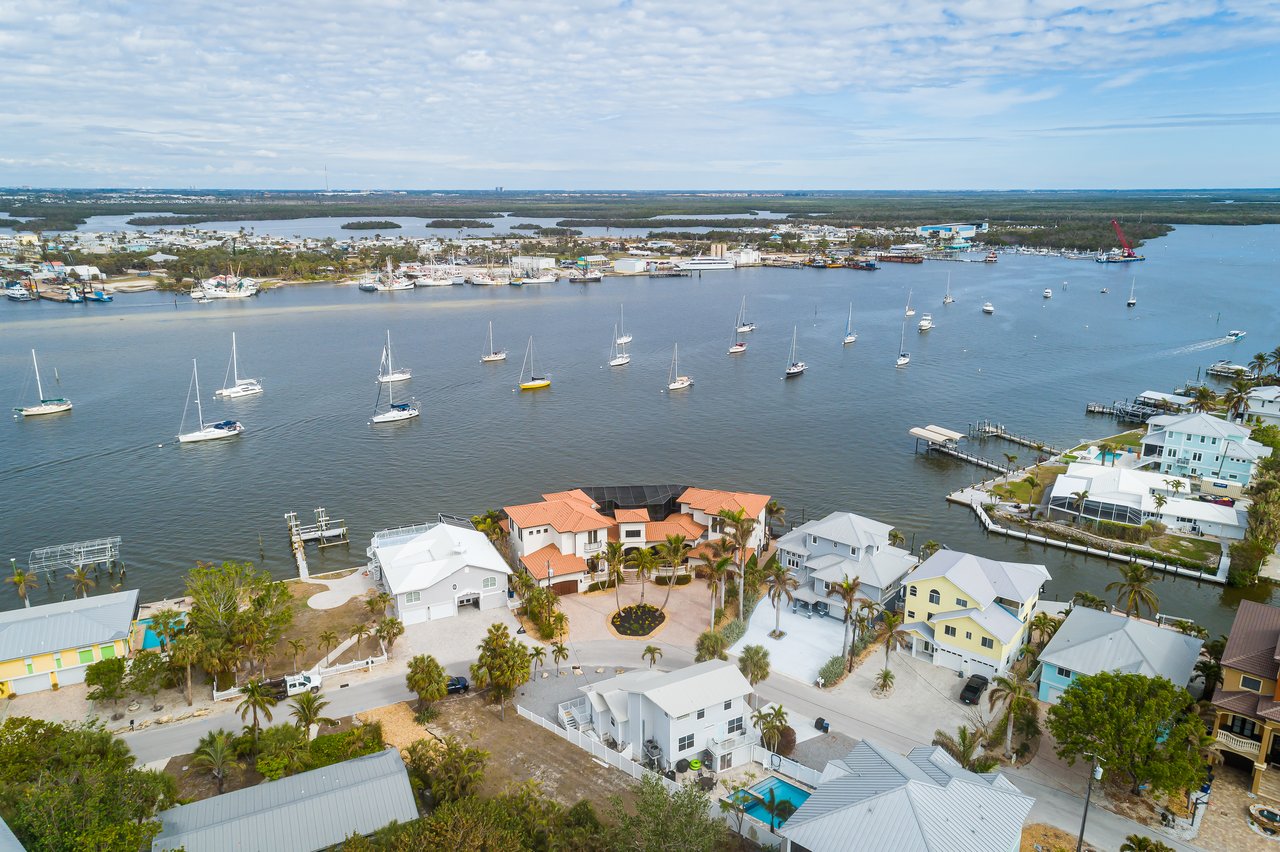
- Quick Gulf runs from Barefoot area docks: Many bayfront homes near Barefoot Beach advertise minutes to the Gulf via Wiggins Pass. That kind of inlet proximity is a real premium for owners of larger center consoles and sportfishing boats. You will see this highlighted in neighborhood marketing, including on the Barefoot Beach real estate overview.
- Services and rentals: Nearby boat clubs and rental operators allow you to get on the water without owning a boat. Kayak and canoe access points are also noted at area preserves for low‑impact outings.
Practical checklist for boaters:
- Confirm channel depths to Wiggins Pass for your hull and draft.
- Note bridge clearances along your route.
- Verify whether any dock or slip transfers with the property.
- Review HOA or Harbormaster rules on boat size and usage.
Rental potential and rules
Short‑term rental feasibility often hinges on jurisdiction and building rules more than demand.
- Collier County rules near Barefoot: Unincorporated Collier requires short‑term rental registration and compliance with Ordinance 2021‑45. Advertising must include the local registration number, and owners are responsible for Tourist Development Tax collection in line with county policy. See steps and requirements on the Collier County STR registration page.
- City of Bonita Springs rules: Many non‑owner‑occupied units require a city Rental Permit with inspection and a $100 fee per unit. Permits are valid for three years. Read the process on the City rental permits page.
- Seasonality: Southwest Florida rental demand is highly seasonal, with the strongest bookings and rates in the winter months. Many owners mix personal seasonal use with selective, professionally managed rentals the rest of the year.
Before you underwrite income, confirm:
- Jurisdiction and whether a city permit or county registration applies.
- HOA or condo documents that allow or limit short‑term rentals.
- Current TDT rates and whether your booking platform remits them.
- A local manager’s ADR and occupancy for comparable properties.
Risk, insurance, and shoreline projects
Coastal ownership brings specific risk and planning items. Build these into your decision process and budget.
- Flood and hurricane risk: Barrier islands and gulf‑front properties are typically in FEMA flood hazard zones. Lenders often require flood insurance. Check the FEMA Map Service Center for a property’s flood zone and request an Elevation Certificate to refine insurance pricing. Start with FEMA’s Map Service Center resources.
- Insurance market dynamics: Florida’s coastal insurance market changes year to year. Plan for wind and hurricane deductibles and evaluate private flood options in addition to NFIP. The Florida Office of Insurance Regulation offers consumer guidance on flood coverage at the OIR flood insurance page.
- Beach renourishment and inlet management: Counties periodically fund shoreline work that can affect beach width and access during construction. Lee County, for example, awarded funding to nourish the Lovers Key and Bonita Beach shoreline. You can track examples through local coverage like this renourishment contract report.
How to choose your fit
If you want a serene, nature‑backed setting with gated streets and quick boating to the Gulf, Barefoot Beach likely fits your lifestyle. If you prefer a lively, walkable beach corridor with more public amenities and restaurants steps away, Bonita Beach is a strong contender.
Use this short decision checklist:
- Lifestyle: quiet preserve shoreline or active beach‑town corridor.
- Boating: private dock with fast inlet access or casual rentals and clubs.
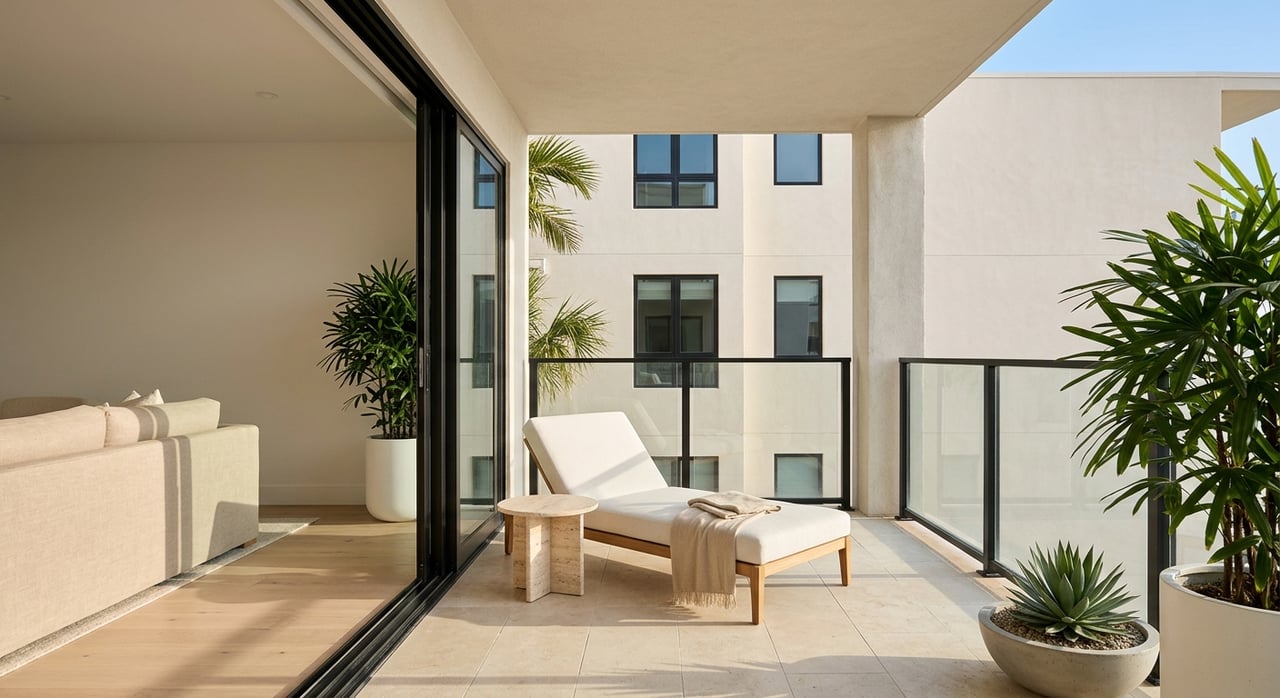
- Product: gulf‑front estate, bayfront home, or mid‑rise condo.
- Rules: Collier registration or City of Bonita Springs permit requirements.
- Costs: confirm insurance quotes, flood zone, and TDT obligations.
- Timing: plan around seasonal demand if rentals are part of your strategy.
When you are ready to compare specific properties, ask for apples‑to‑apples comps and a clear map of jurisdiction. A trusted local advisor can help you align lifestyle, risk, and return with the right address.
If you would like a confidential, data‑driven consult on Barefoot Beach and Bonita Beach opportunities, reach out to The Grant Group for a private conversation.
FAQs
What is the key difference between Barefoot Beach and Bonita Beach for owners?
- Barefoot sits in Collier County with a quieter preserve backdrop and gated neighborhoods, while Bonita Beach lies in Lee County with more public beach amenities and nearby restaurants.
How do short‑term rental rules differ in these two areas?
- Unincorporated Collier County near Barefoot Beach requires short‑term rental registration, while properties inside the City of Bonita Springs often need a city Rental Permit with inspection and a fee.
What tourist tax applies to a second home used as a vacation rental?
- Both Collier and Lee counties collect a local Tourist Development Tax on rentals of six months or less; verify the current rate with the county before projecting income.
How is boating access from Barefoot Beach compared to Bonita Beach?
- Many bayfront homes near Barefoot Beach offer quick runs to the Gulf via Wiggins Pass, which is a premium for larger boats, while Bonita Beach offers easy proximity to rentals and clubs for casual outings.
What risk and insurance steps should I take before buying on either beach?
- Check the property’s FEMA flood zone, obtain an Elevation Certificate, and get quotes for wind and flood coverage; review any planned shoreline projects that may affect access or long‑term beach profile.