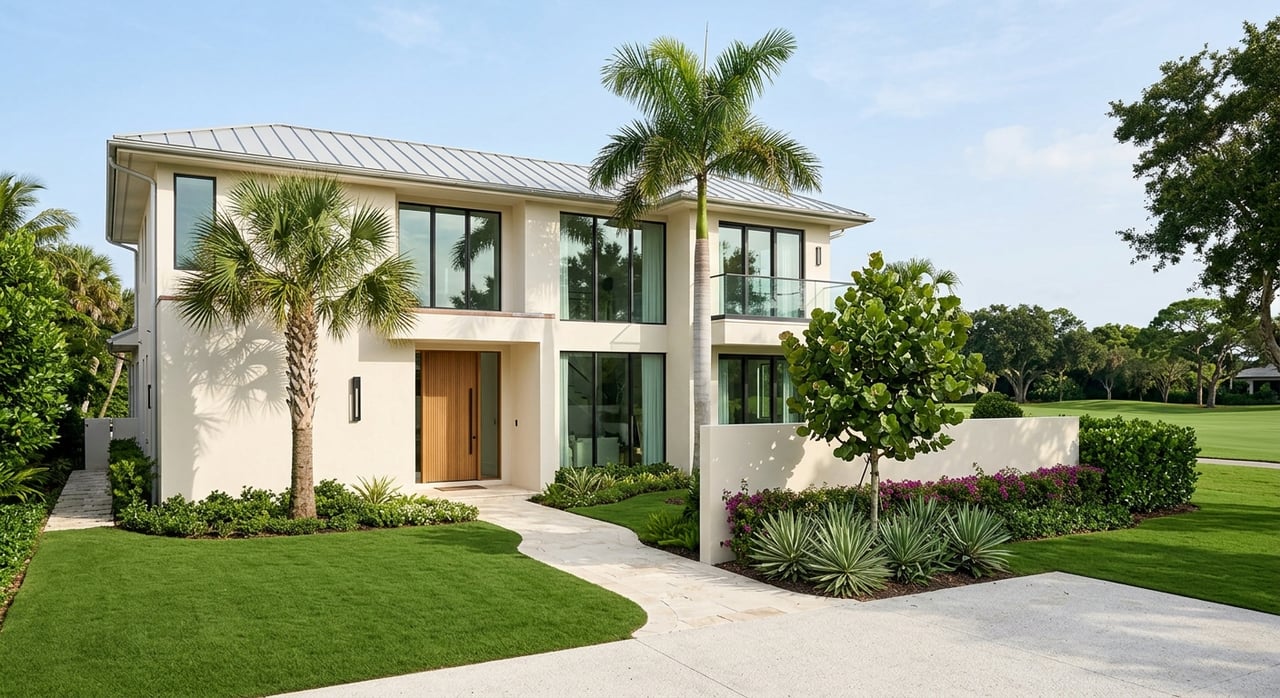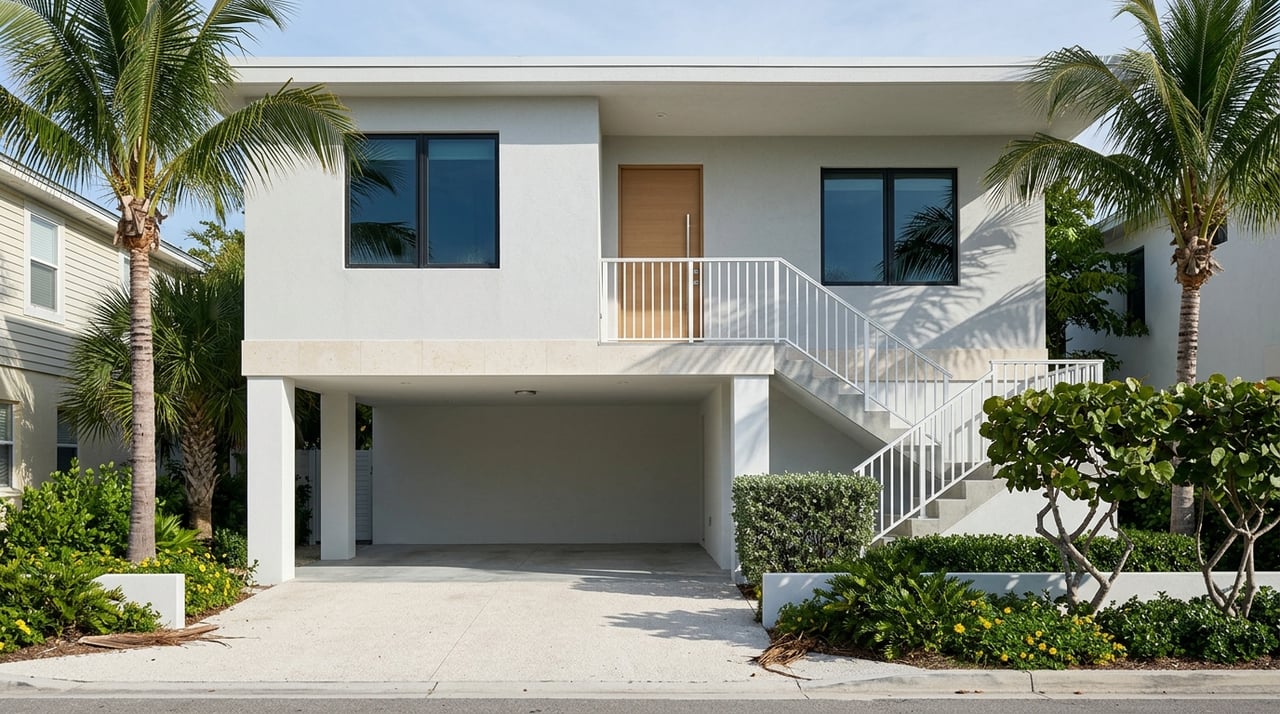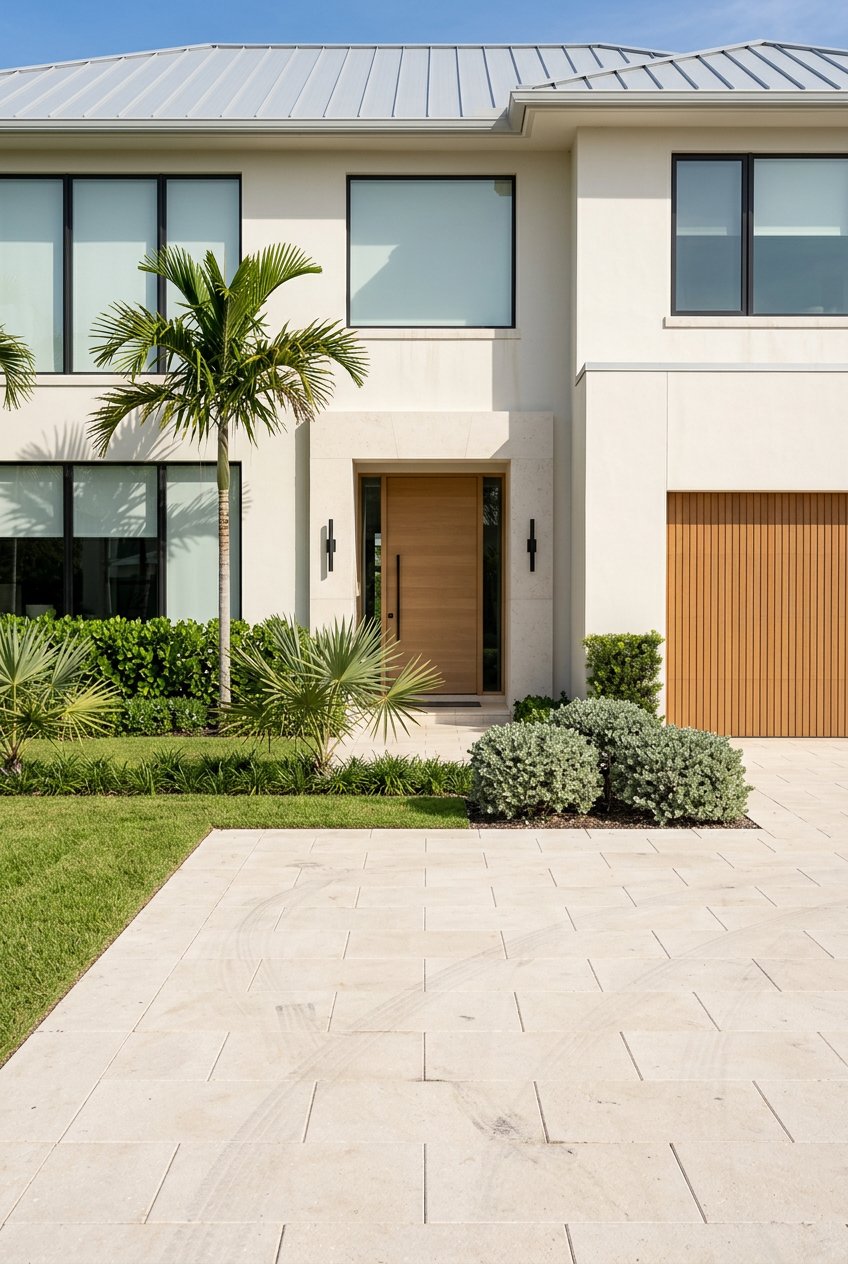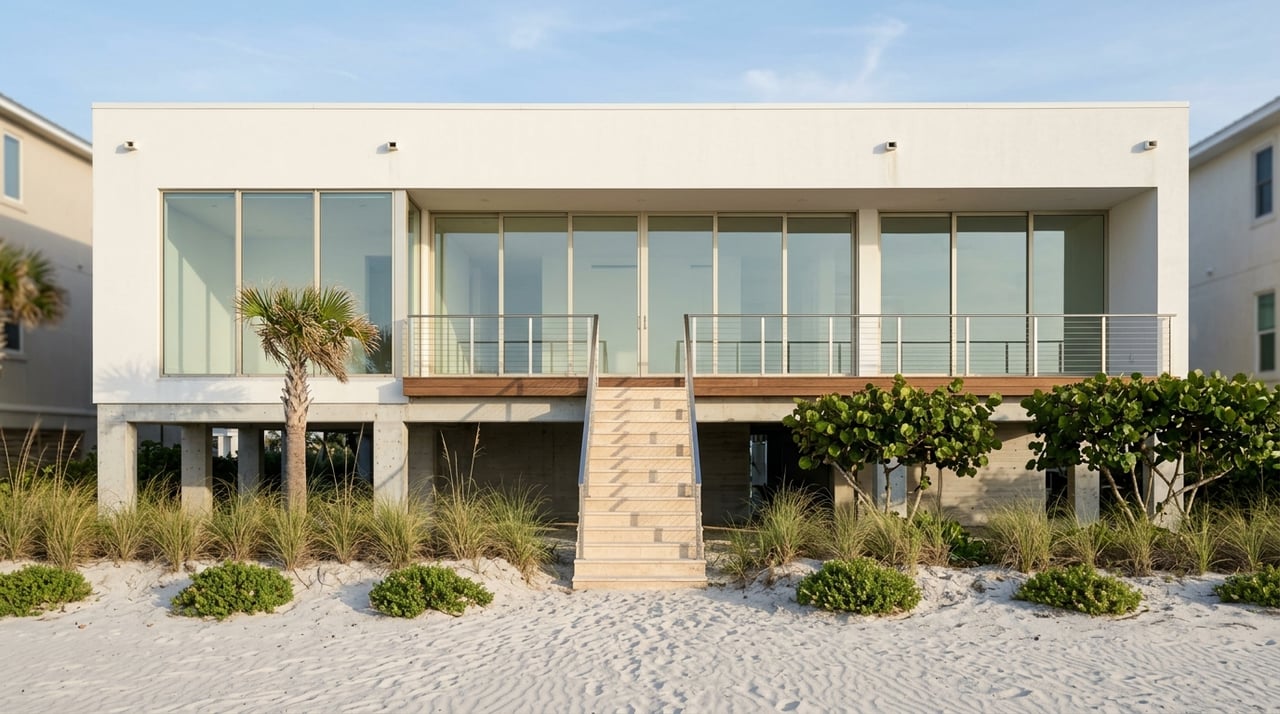
If you own a luxury beachfront home on Bonita Beach, pricing it is rarely as simple as looking at square footage and recent sales. On this stretch of shoreline, value is shaped by a tight supply of true beachfront property, lot-specific details, storm and erosion realities, and how confidently a buyer can picture both lifestyle and long-term ownership. If you want to understand what really drives price and how to position your home for a stronger result, this guide will walk you through the factors that matter most. Let’s dive in.
Why Bonita Beach pricing is unique
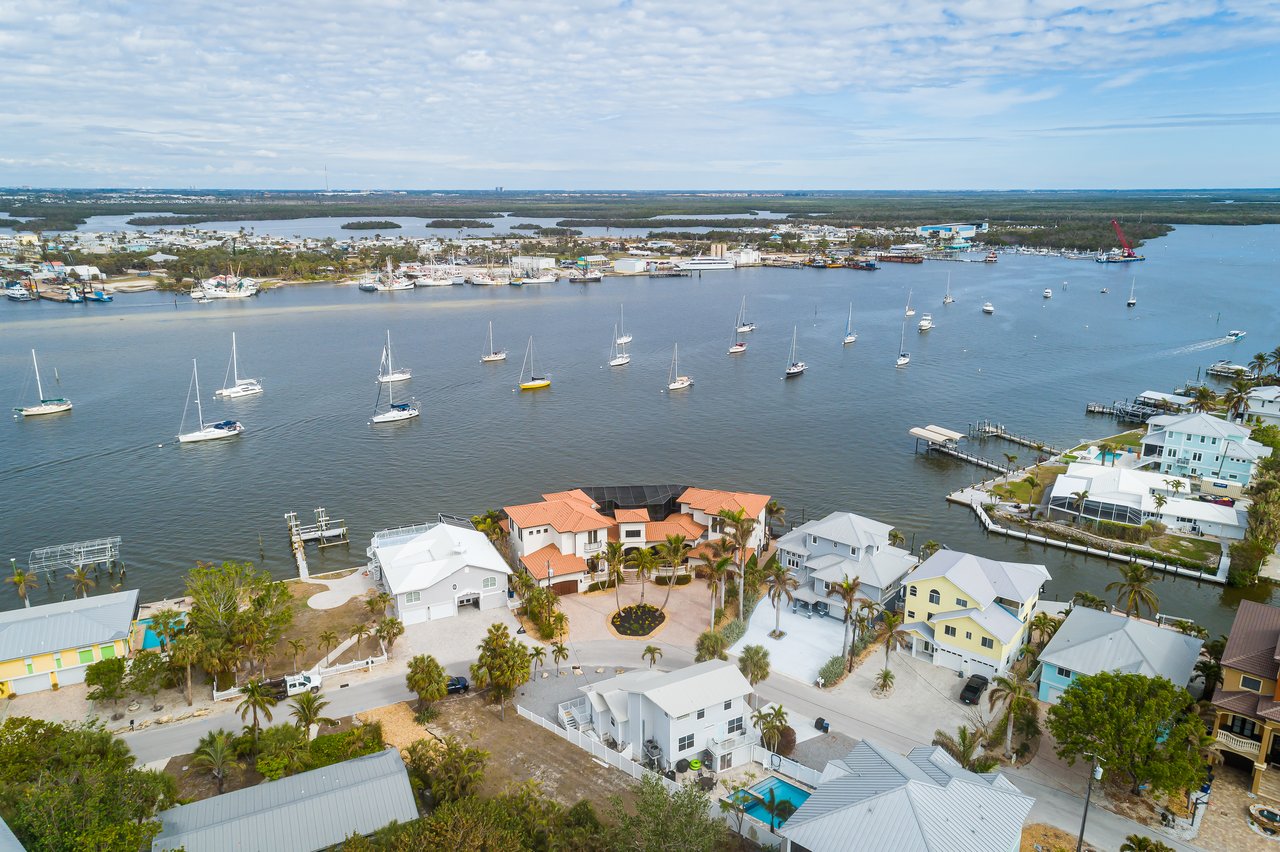
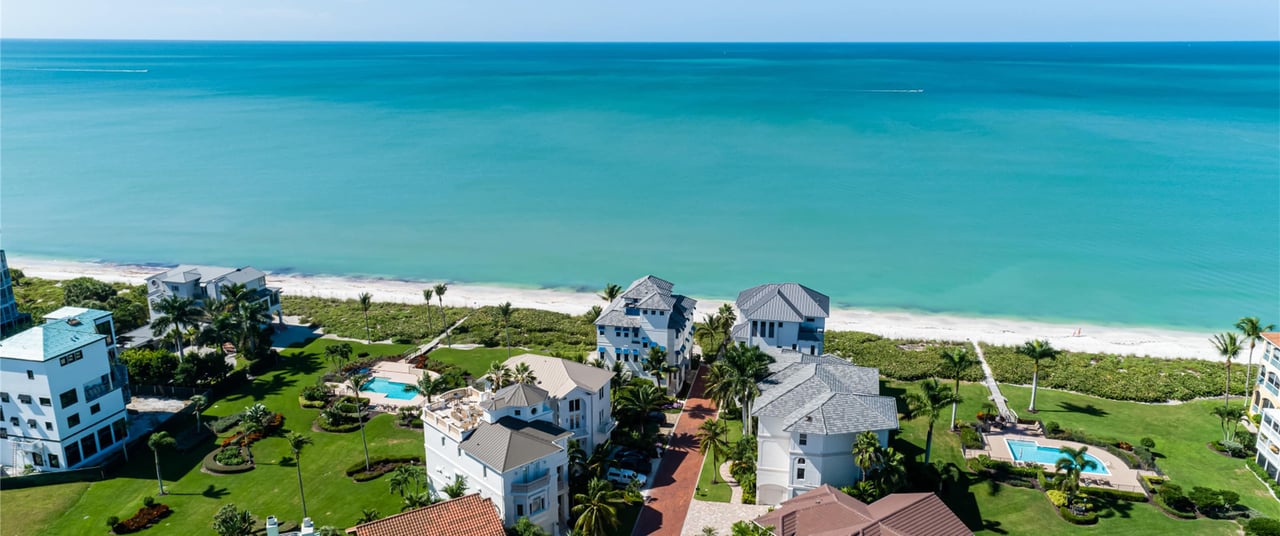
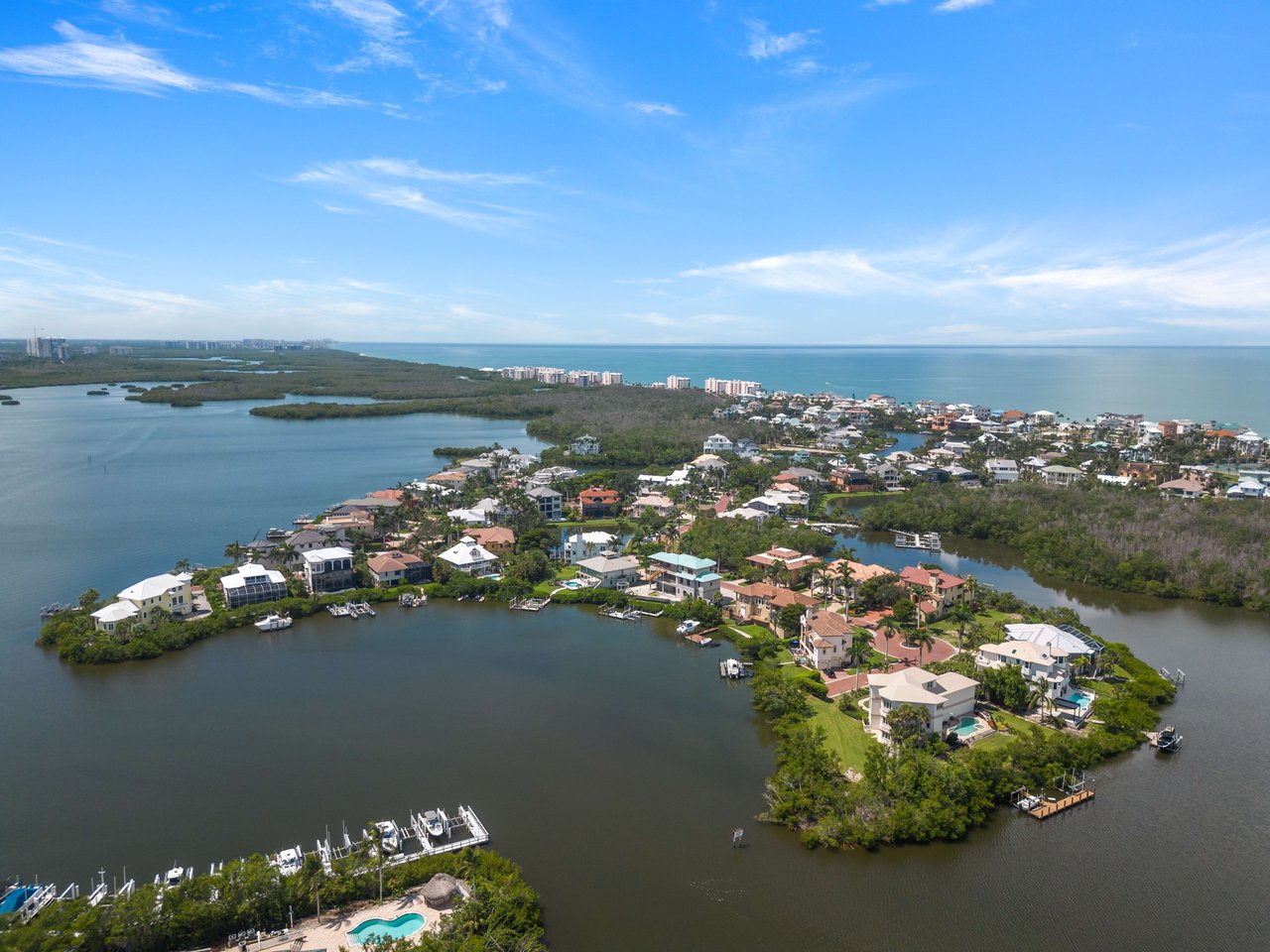
Bonita Beach does not behave like a broad, uniform housing market. According to Lee County beach management information, this shoreline on Little Hickory Island is limited in size, with about 0.8 miles of beach addressed in the nourishment project and the northern 0.9 miles designated as critically eroded.
That matters because scarcity tends to magnify the importance of micro-location. A small difference in frontage, beach feel, or view line can create a meaningful difference in how buyers perceive a home and what they are willing to pay.
Lee County also notes that beaches are among the county’s most important economic assets. The county reported 3.2 million visitors in 2024, with $3.11 billion in direct spending and $43.86 million in tourist taxes, according to the same county resource. For luxury beachfront owners, that supports a market where desirability is tied not only to the home itself, but also to the long-term appeal of the shoreline.
Site factors that drive luxury value
Frontage and lot shape matter
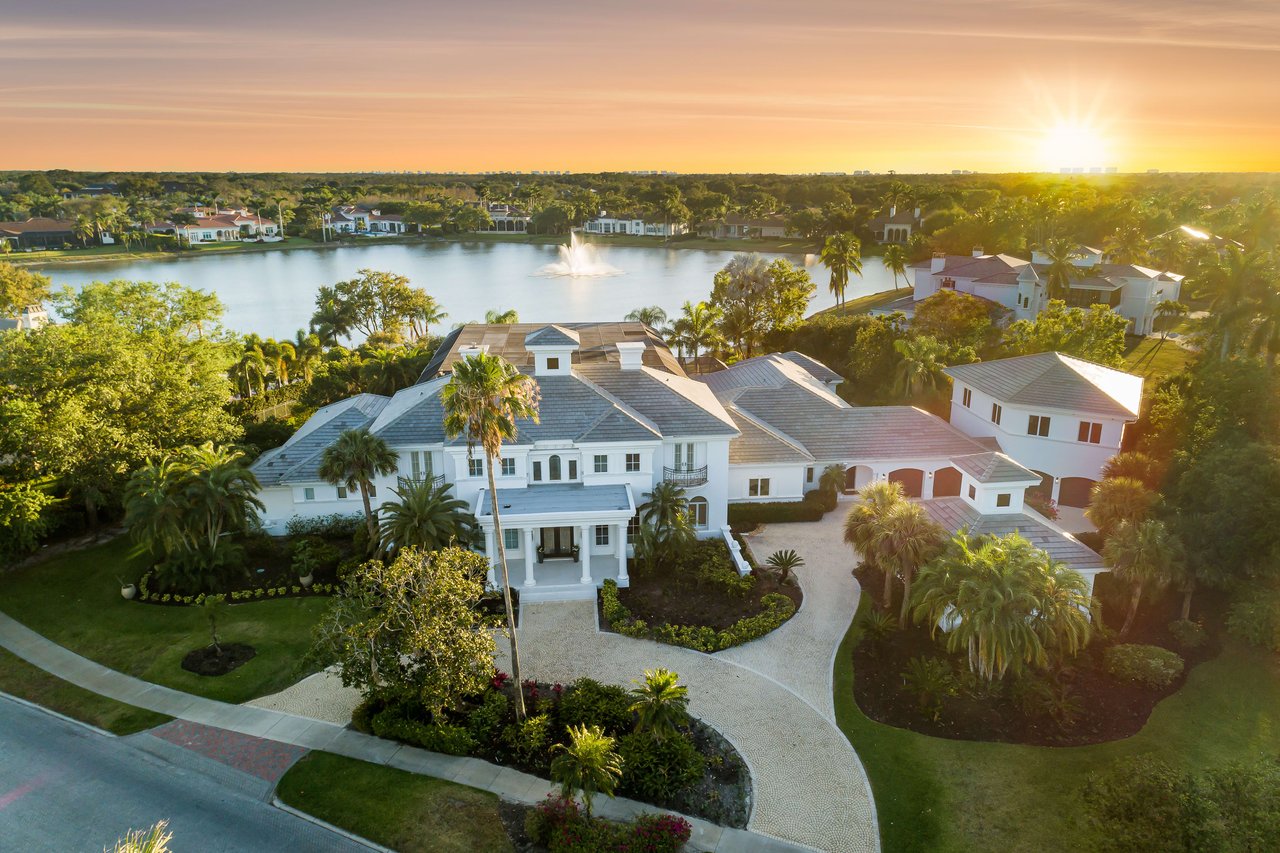
On Bonita Beach, the lot is often a major part of the value story. HUD appraisal guidance requires appraisers to consider dimensions beginning with frontage, along with site shape and any feature that affects value or marketability.
In practical terms, buyers often pay more attention to usable beachfront width than sellers expect. A lot with stronger frontage, a more functional shape, and better outdoor usability may command a premium over a home with similar interior size but a less favorable site.
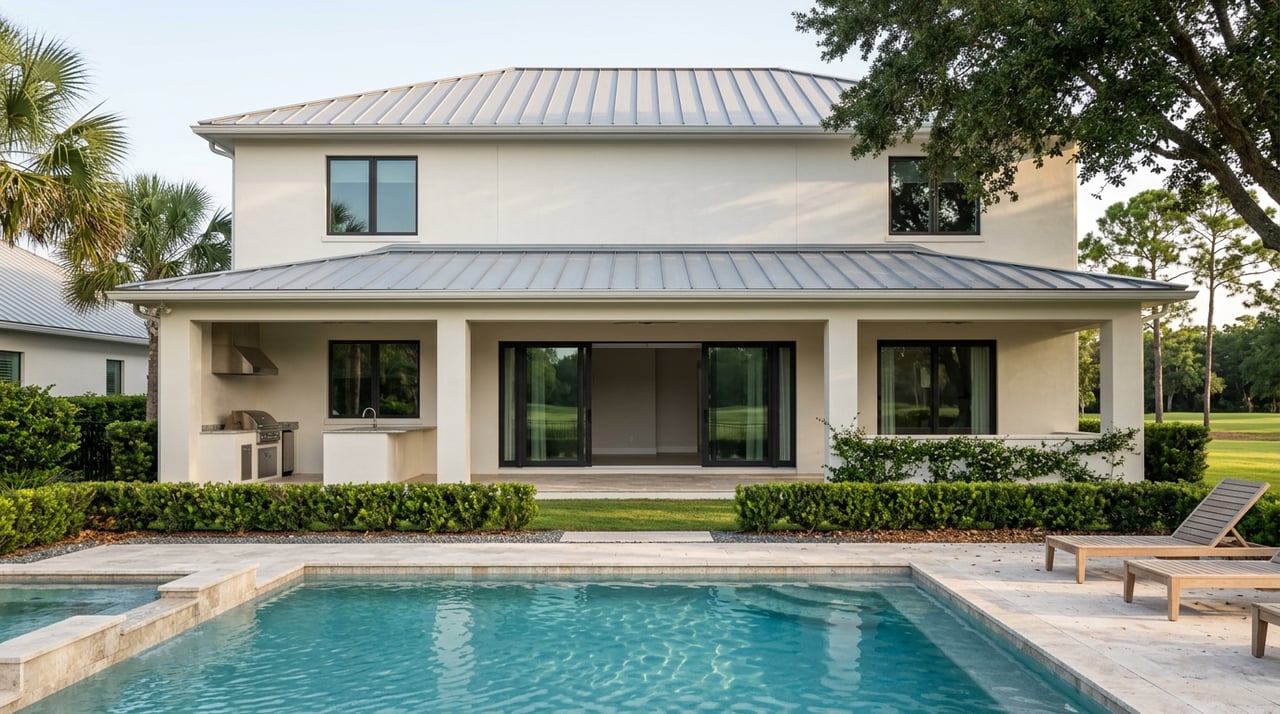
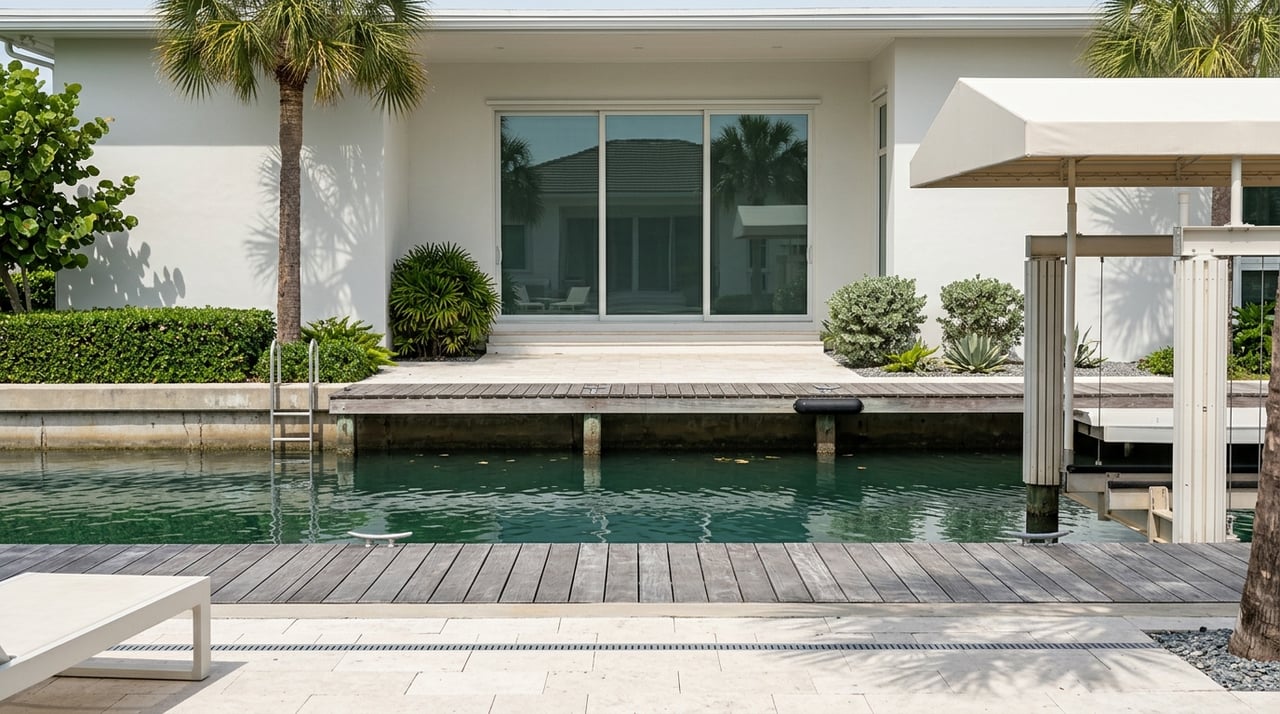
Setbacks, corner exposure, and the way the home sits on the lot can also influence appeal. On a luxury beachfront property, buyers are not only buying a structure. They are buying how the site lives.
Views and beach width influence perception
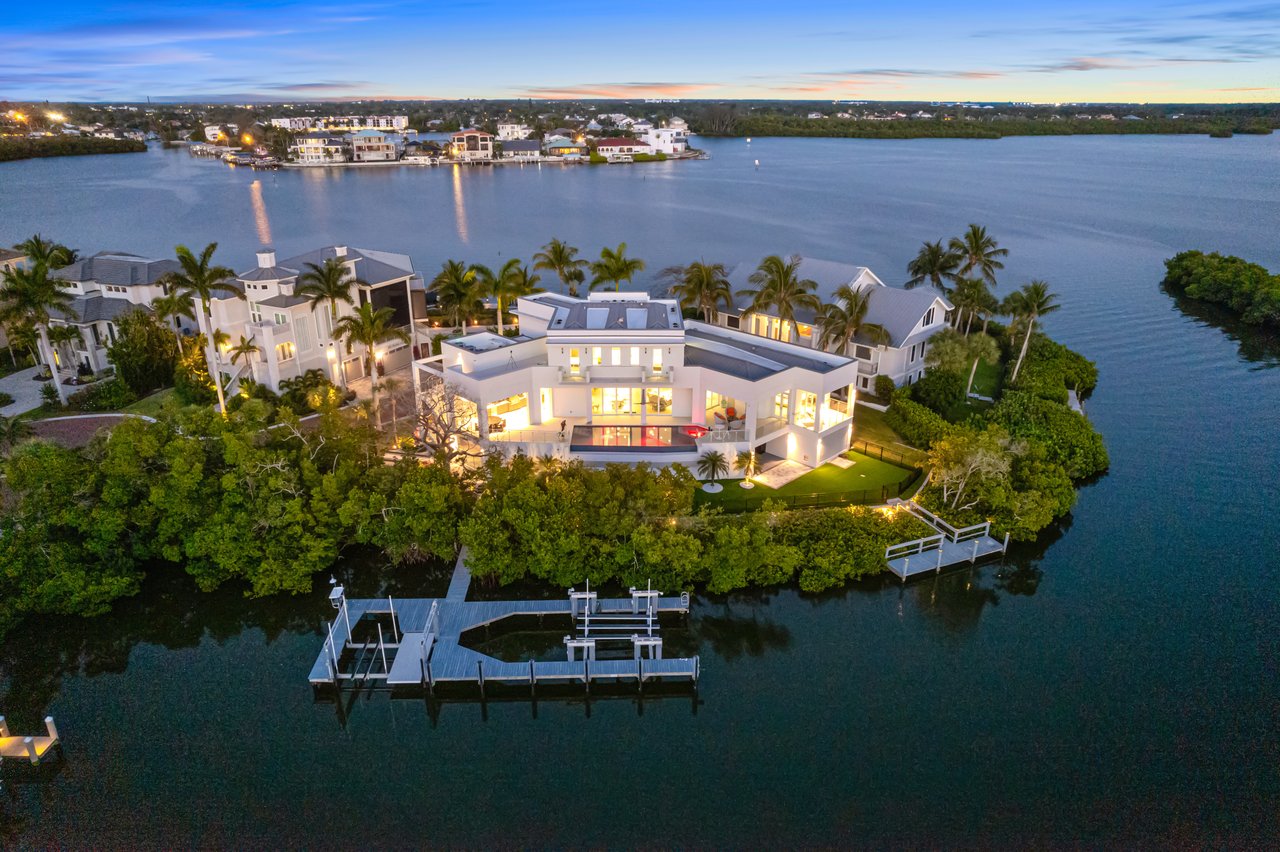
View quality is another direct pricing factor. HUD treats view as a distinct element of value, and adjustments are appropriate when the market recognizes meaningful differences in view quality, according to its appraisal guidance.
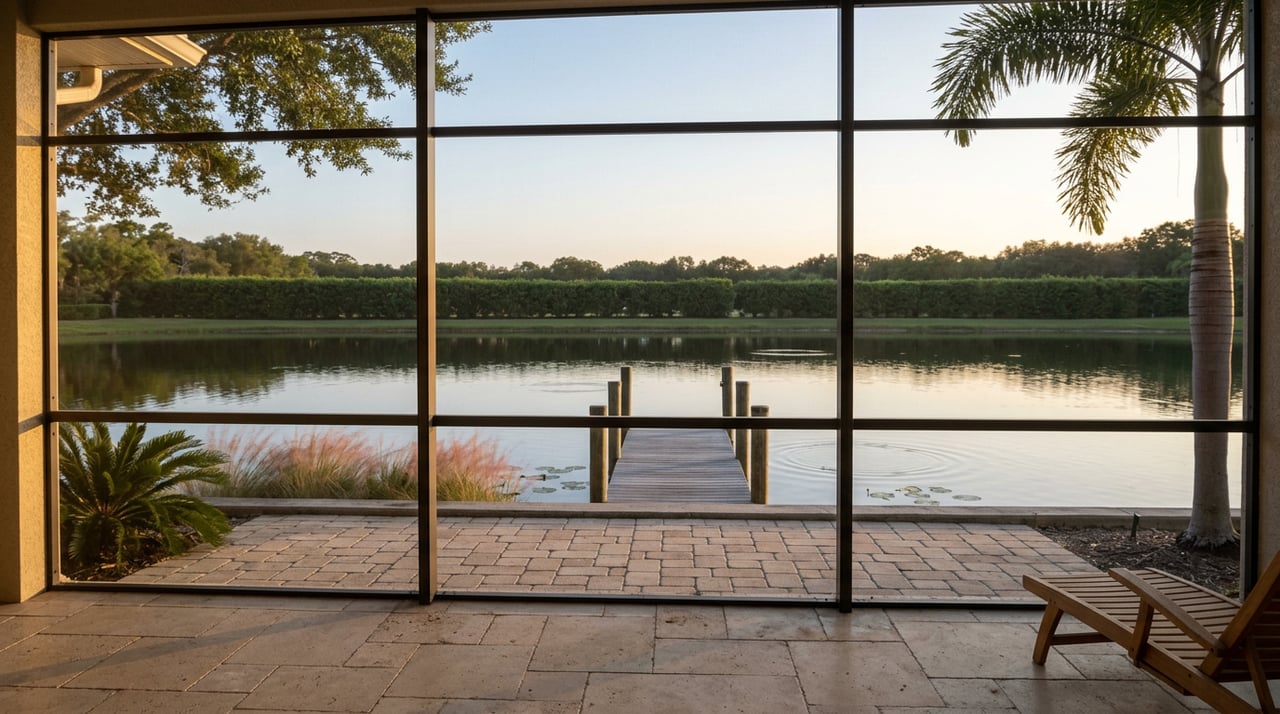
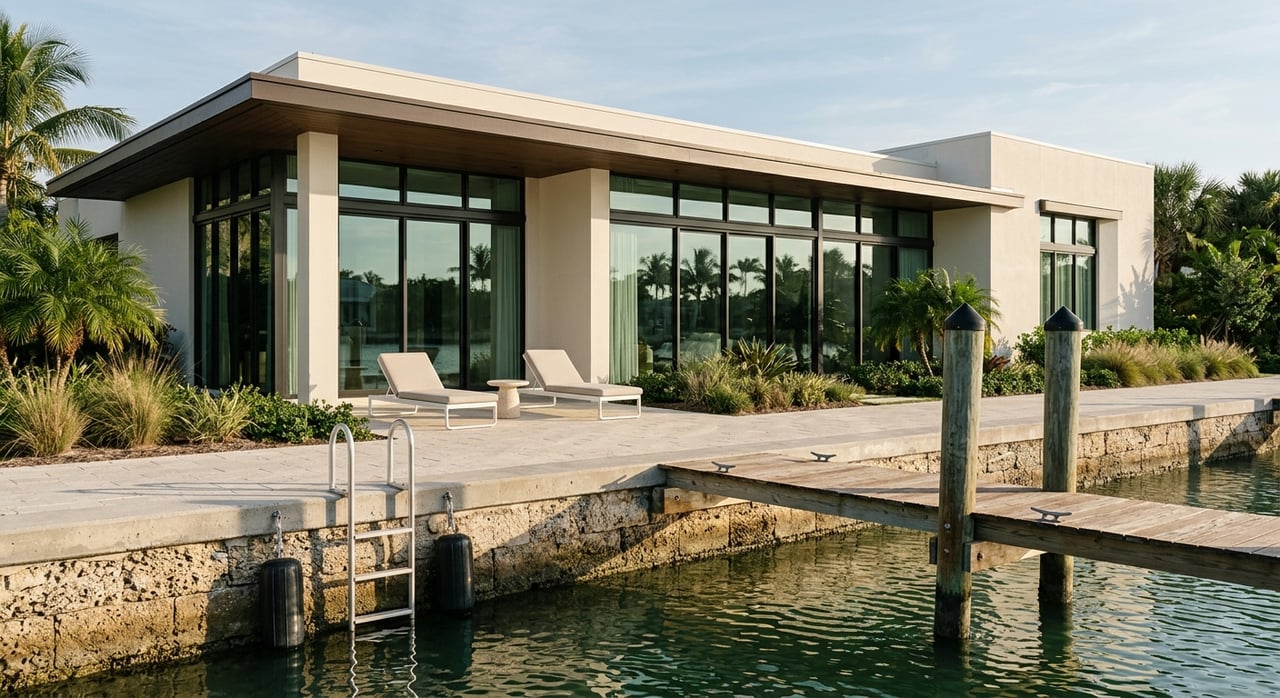
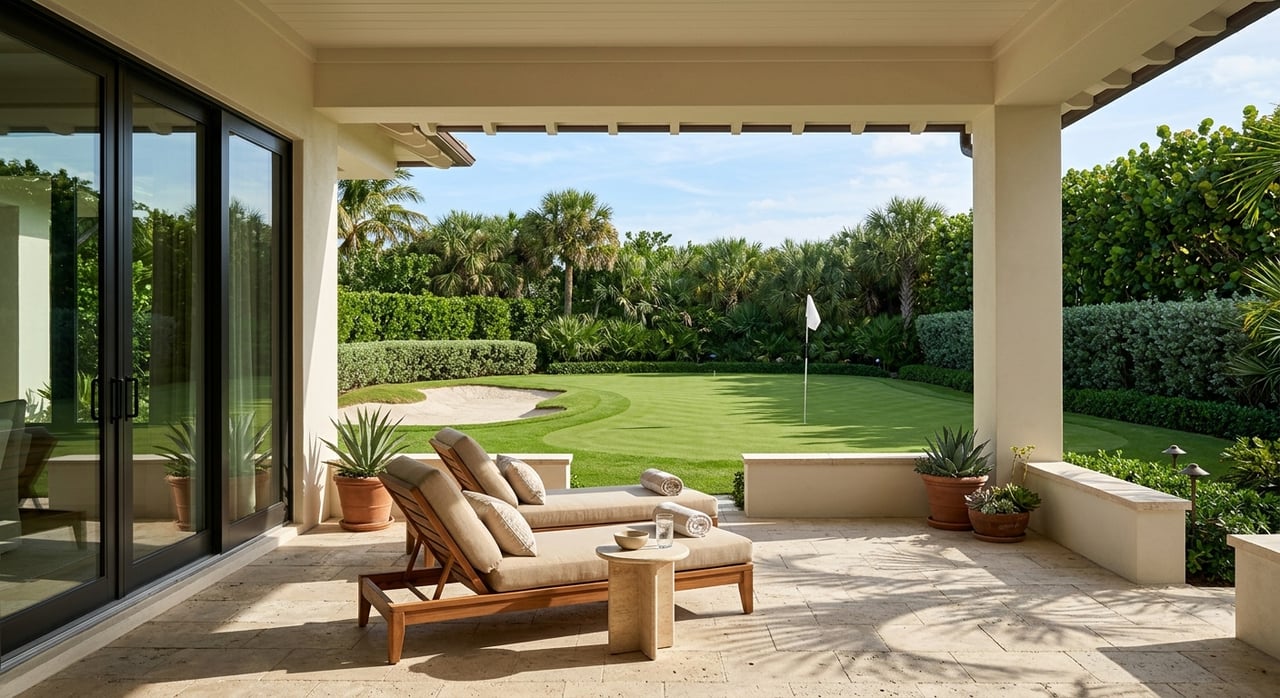
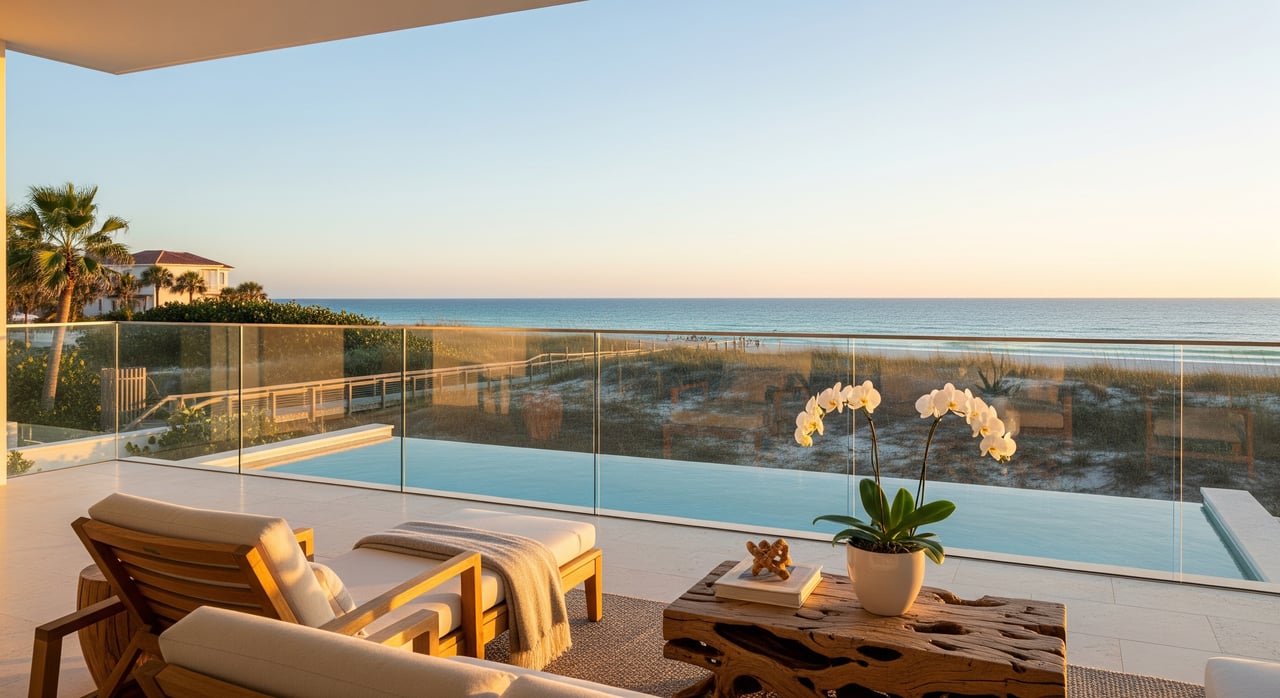
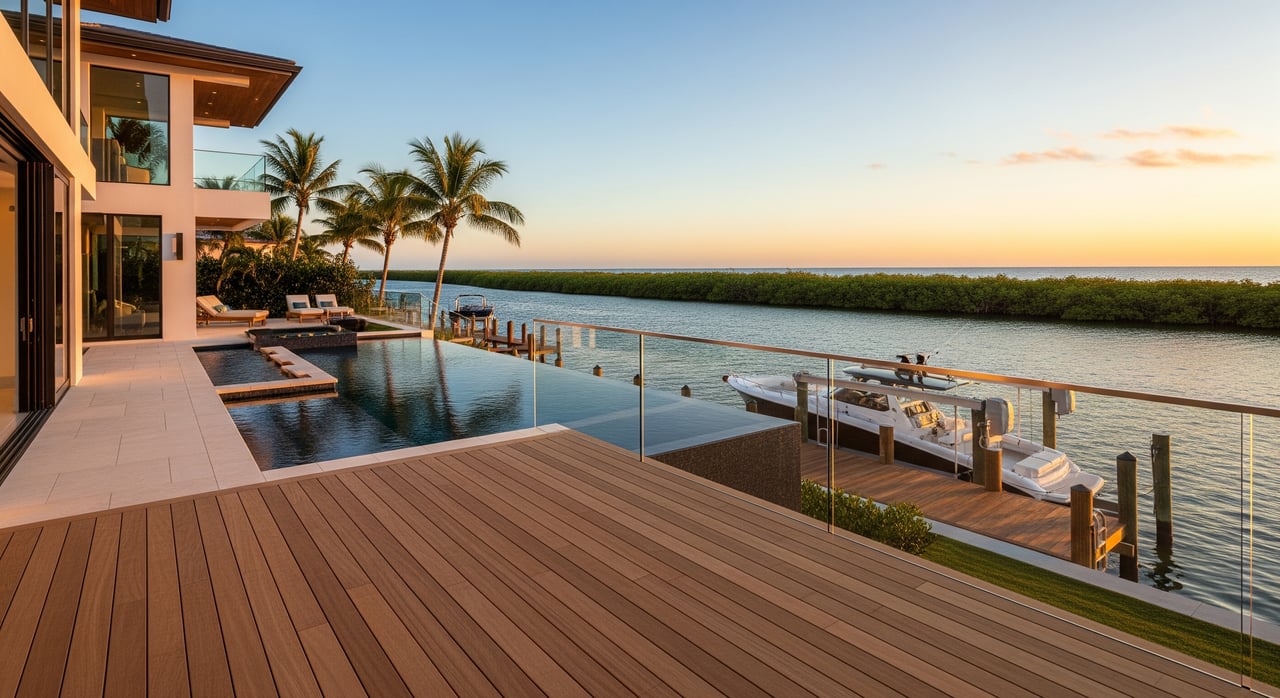
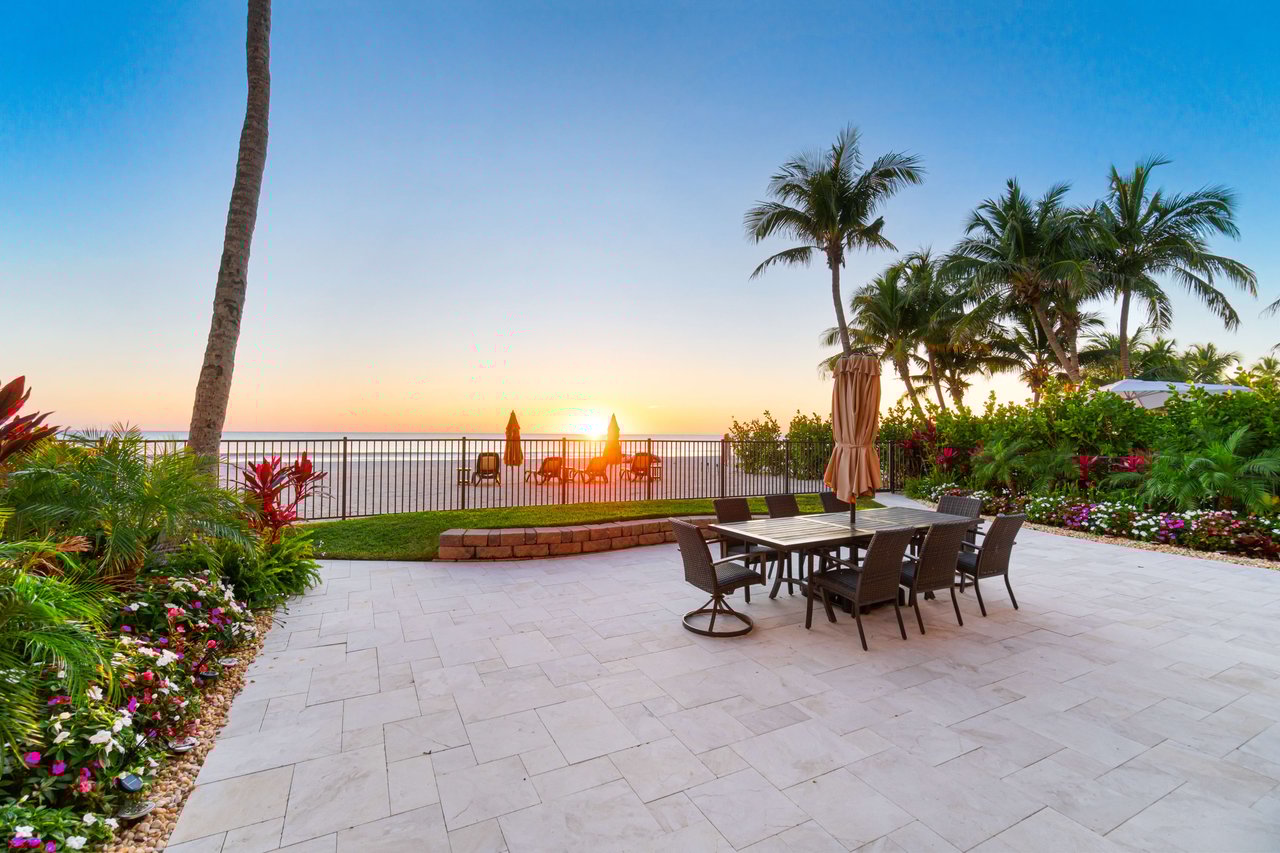
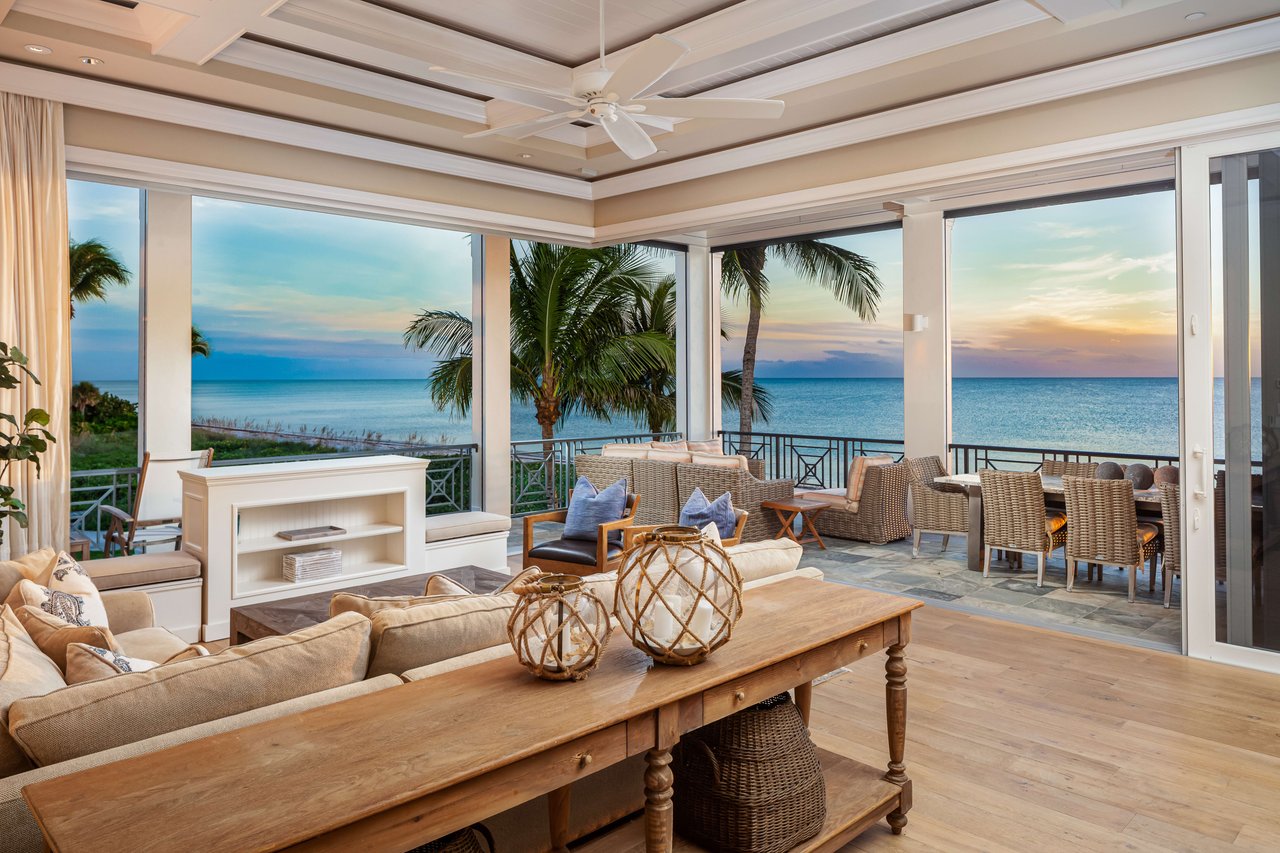
On Bonita Beach, that usually means unobstructed Gulf views, strong sight lines from main living areas, and a protected view corridor can support stronger pricing. The feel of the beach in front of the home can matter too, especially where buyers perceive a wider or better-maintained beachfront experience.
For luxury buyers, emotional impact often starts with what they see the moment they enter the property. If your home captures water, horizon, and light in a compelling way, that visual advantage should be reflected in pricing and marketing.
Condition often outweighs actual age
Many beachfront homes have a long ownership history, and actual build year is only part of the valuation picture. HUD notes that effective age reflects the condition of the home relative to competing properties and may differ from the actual age, as explained in its valuation standards.
That is especially important on Bonita Beach, where buyers often compare renovated older homes, updated legacy properties, and redevelopment opportunities side by side. A well-maintained home with modern systems, appealing finishes, and a functional layout may compete much better than its age suggests.
On the other hand, dated improvements or signs of deferred maintenance can lead buyers to discount a property quickly. In some cases, land value and redevelopment potential may carry more weight than the existing structure.
Flood, elevation, and compliance affect price
Insurance costs shape buyer demand
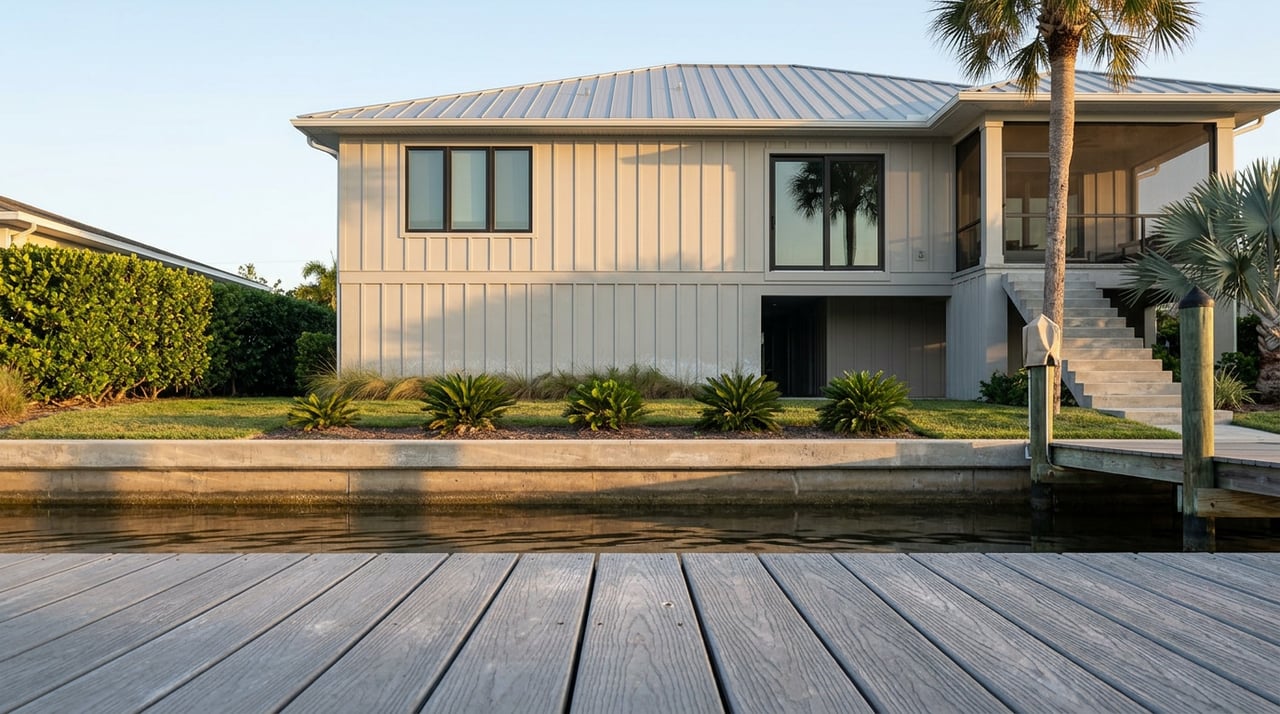
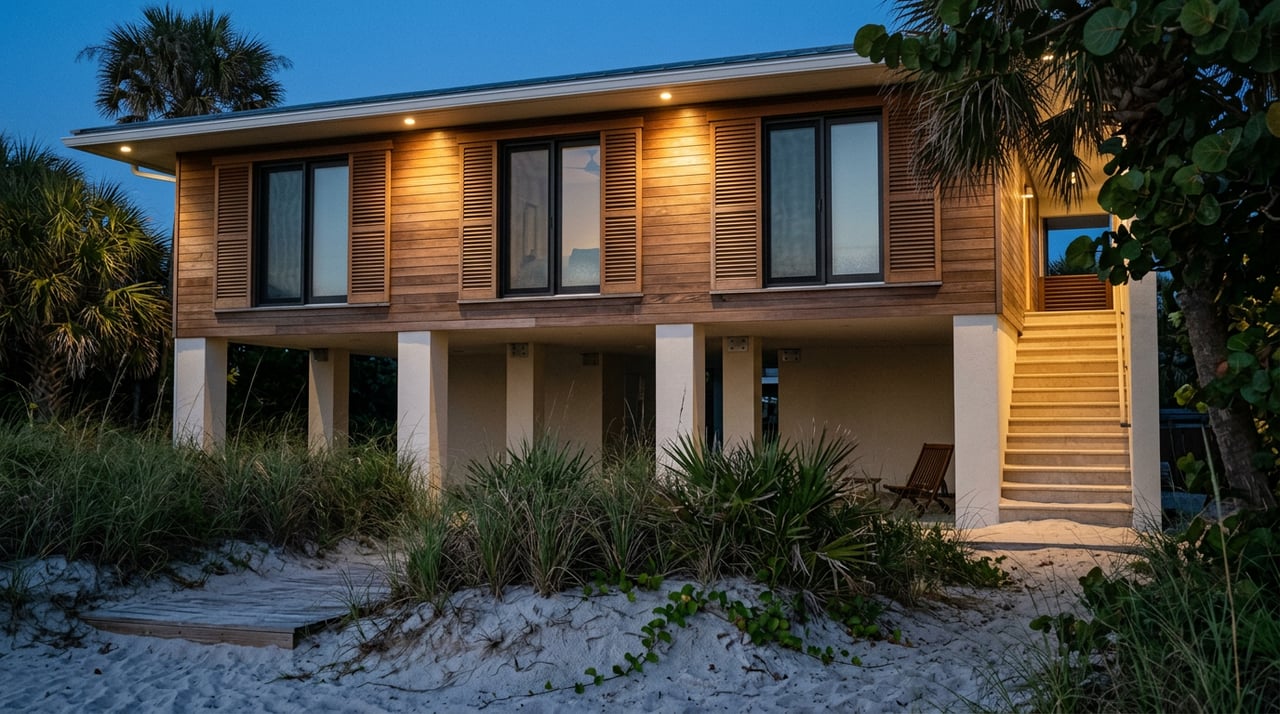
For beachfront homes, pricing is closely tied to risk and documentation. Lee County flood information states that structures in a Special Flood Hazard Area, including A, AE, AH, AO, and Coastal High Hazard Areas known as VE or V zones, must have a FEMA Elevation Certificate.
The county also states that flood insurance is required for mortgages in Special Flood Hazard Areas and Coastal High Hazard Areas. In unincorporated Lee County, owners in A, AE, and V zones may qualify for a 25% flood-insurance discount through the Community Rating System, according to the same county source.
For sellers, that means elevation, first-floor design, and complete documentation can directly affect value. Buyers and lenders often look closely at insurance implications, and homes that present fewer unknowns usually face less resistance.
Permit history can reduce friction
Luxury coastal buyers tend to ask more questions about repairs, storm recovery, and code compliance. Lee County notes that permits are required for repairs or renovations to structures in the Special Flood Hazard Area, and county enforcement addresses issues such as unpermitted work, expired permits, unsafe structures, and shoreline-related concerns.
A clean permit history can help a property feel more secure and easier to evaluate. If your home has had updates or post-storm work, organized records can strengthen buyer confidence and help support your asking price.
In a high-value beachfront sale, missing paperwork or unclear repair history can become a negotiating issue. Clear documentation often helps preserve momentum.
Rental potential is a secondary value driver
Some Bonita Beach buyers will consider short-term rental income as part of the ownership picture. That can add value, but it should be measured carefully and never used to override weaker fundamentals such as poor lot position or limited view quality.
Florida applies tax to rentals or leases of accommodations for six months or less, and Lee County’s current local option transient rental tax rate is 5.0%, according to the Florida Department of Revenue form library. In addition, Florida DBPR requires vacation rentals to be licensed under current rules described in that same source.
For pricing purposes, rental potential works best as a supporting factor. It can help a buyer justify ownership costs, but the strongest pricing still tends to come from site quality, view, condition, and compliance.
Presentation can change the outcome
Staging supports stronger first impressions
In luxury real estate, presentation is not a cosmetic extra. It is part of the pricing strategy. The National Association of Realtors staging report says about 80% of buyer’s agents report that staging helps clients visualize living in a home, and about one-third say staging can increase value by 1% to 10% compared with similar unstaged homes.
On Bonita Beach, that matters because buyers are often comparing properties online before they ever step onto the island. A home that feels bright, calm, and visually aligned with the setting tends to create stronger interest from the start.
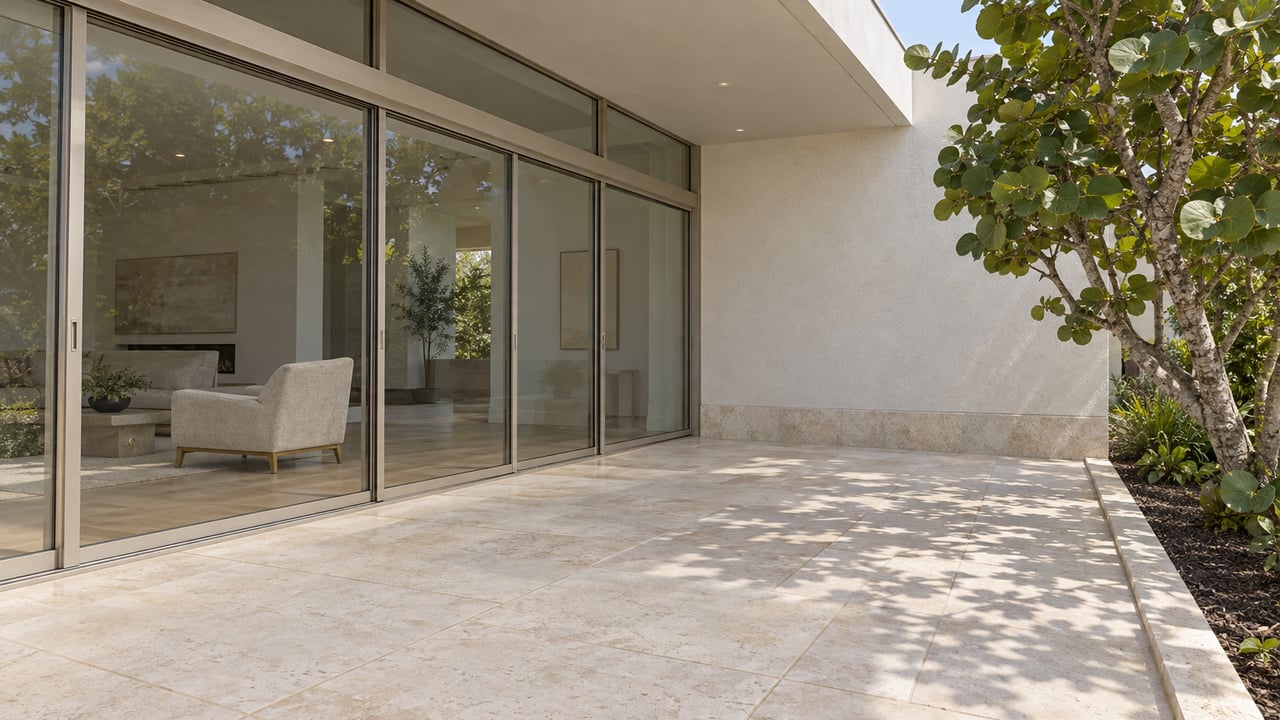
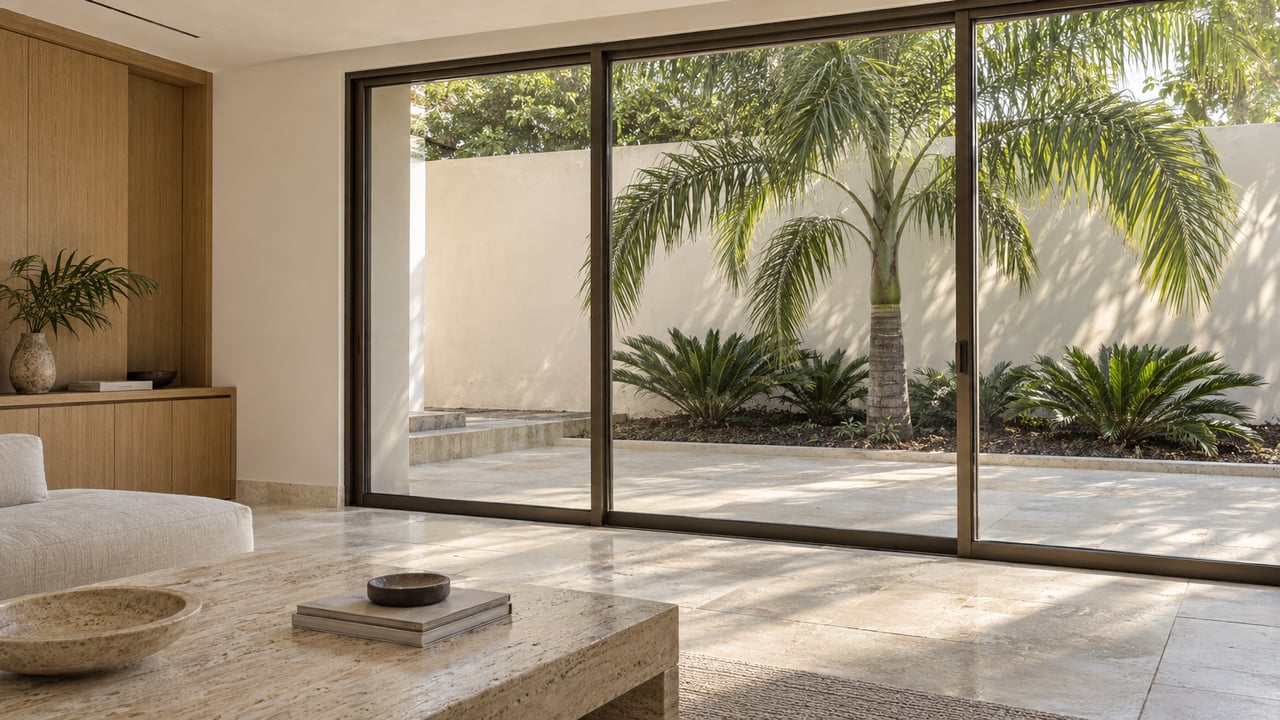
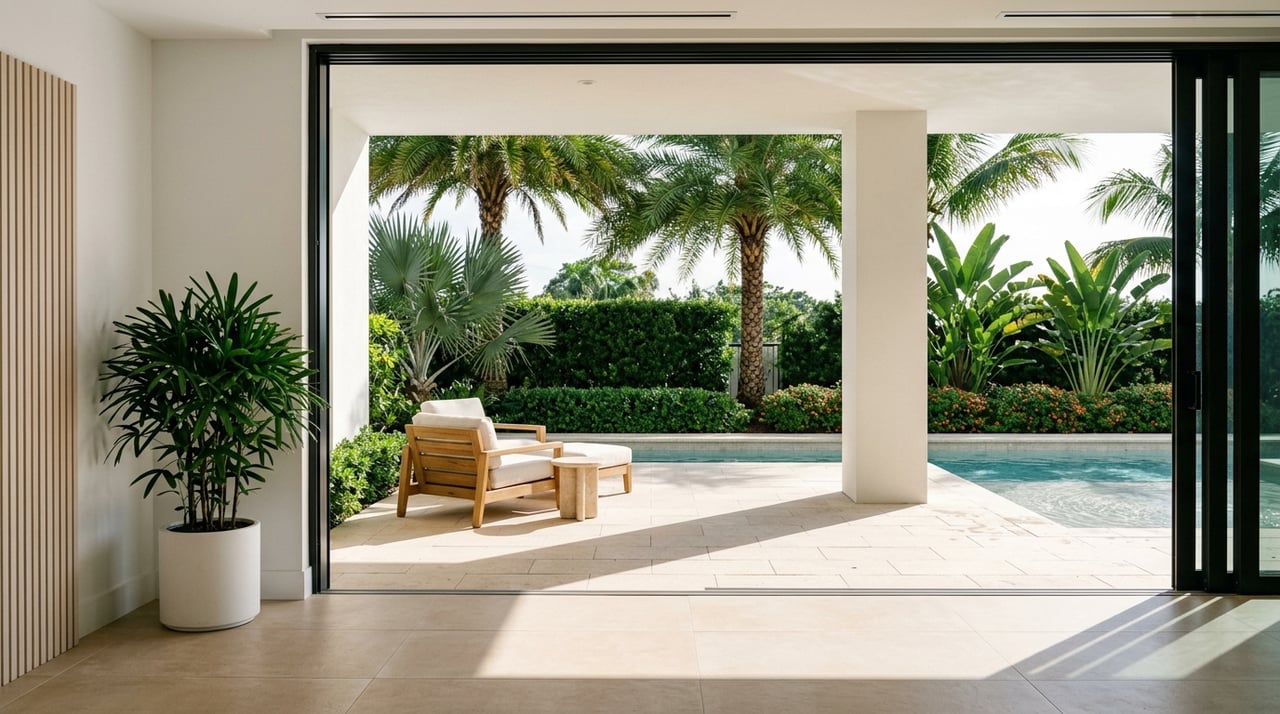
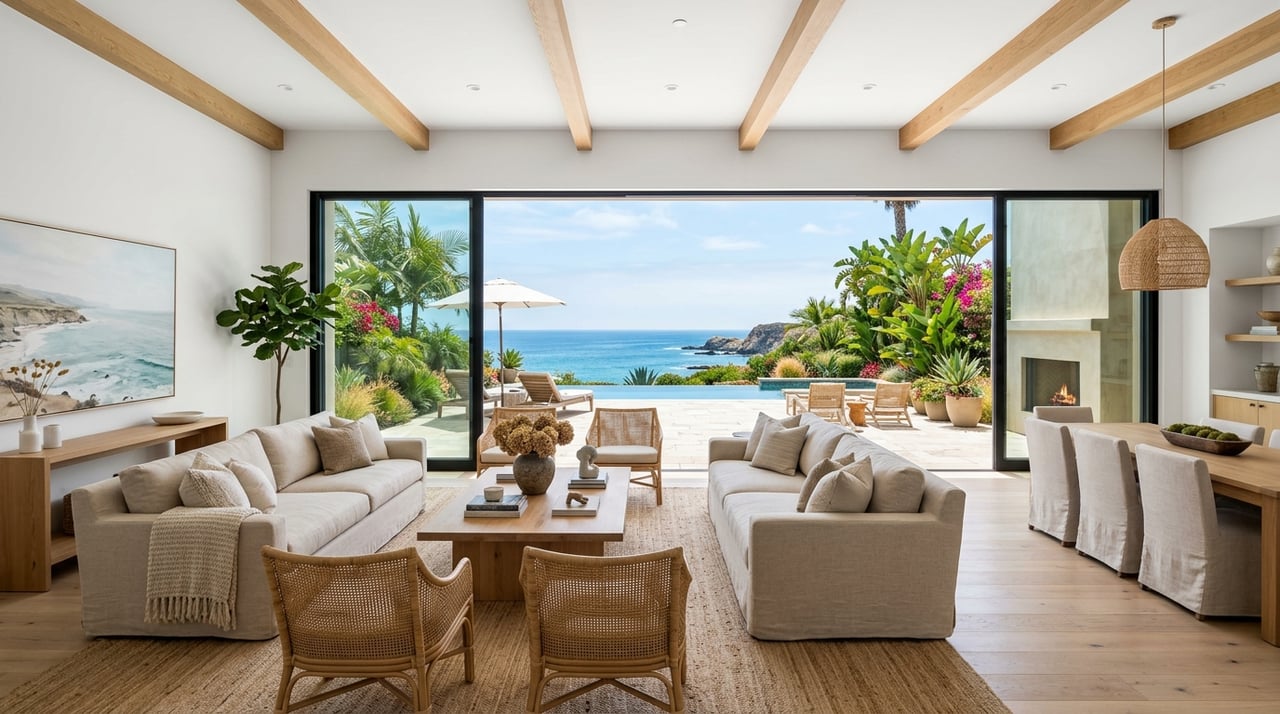
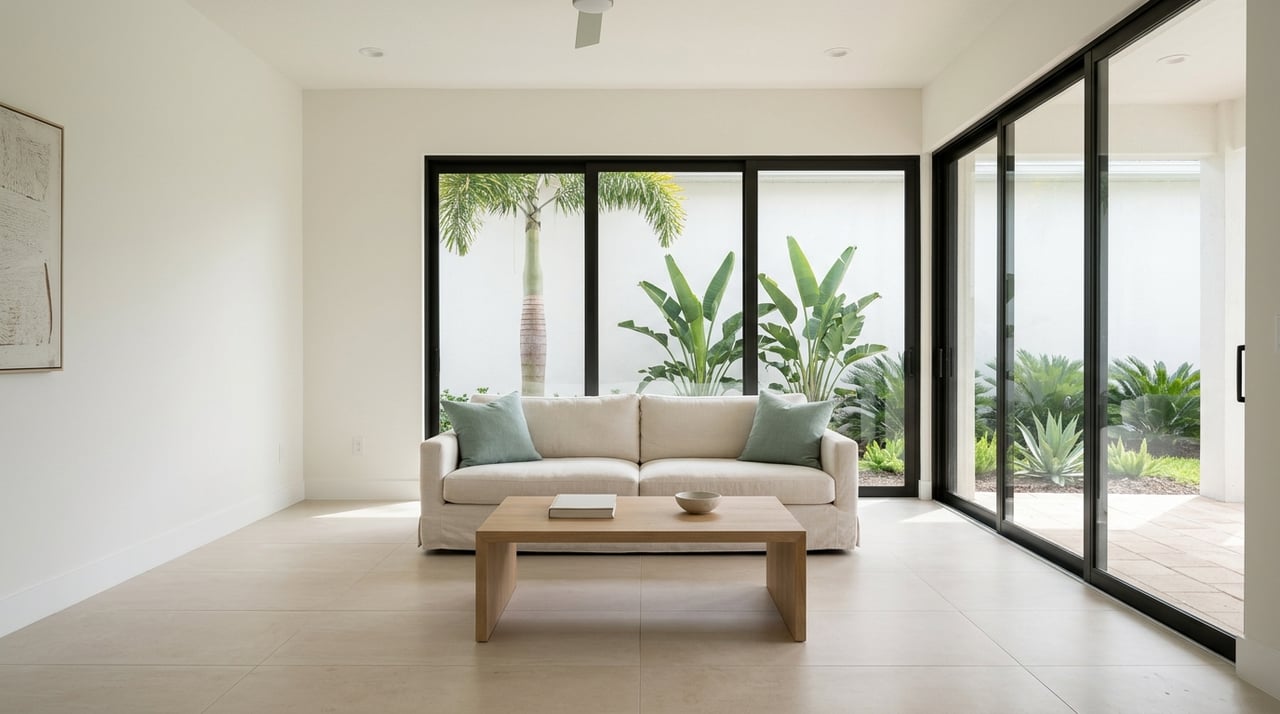
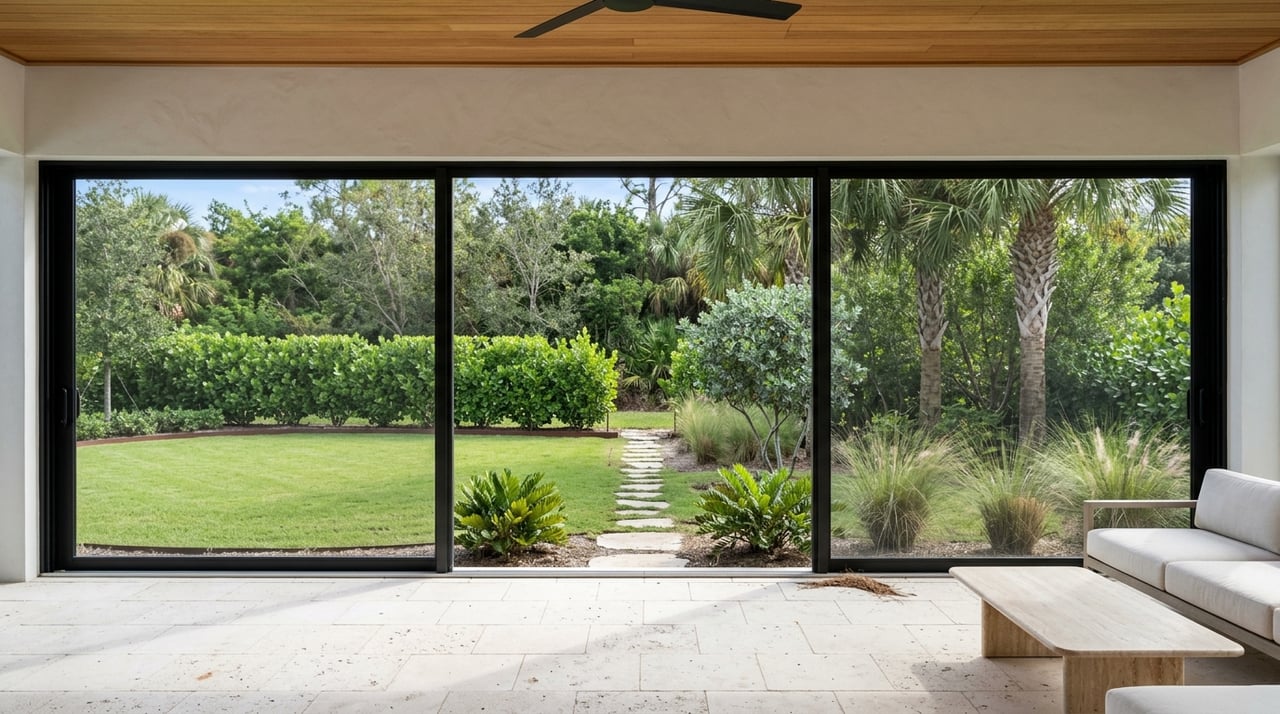
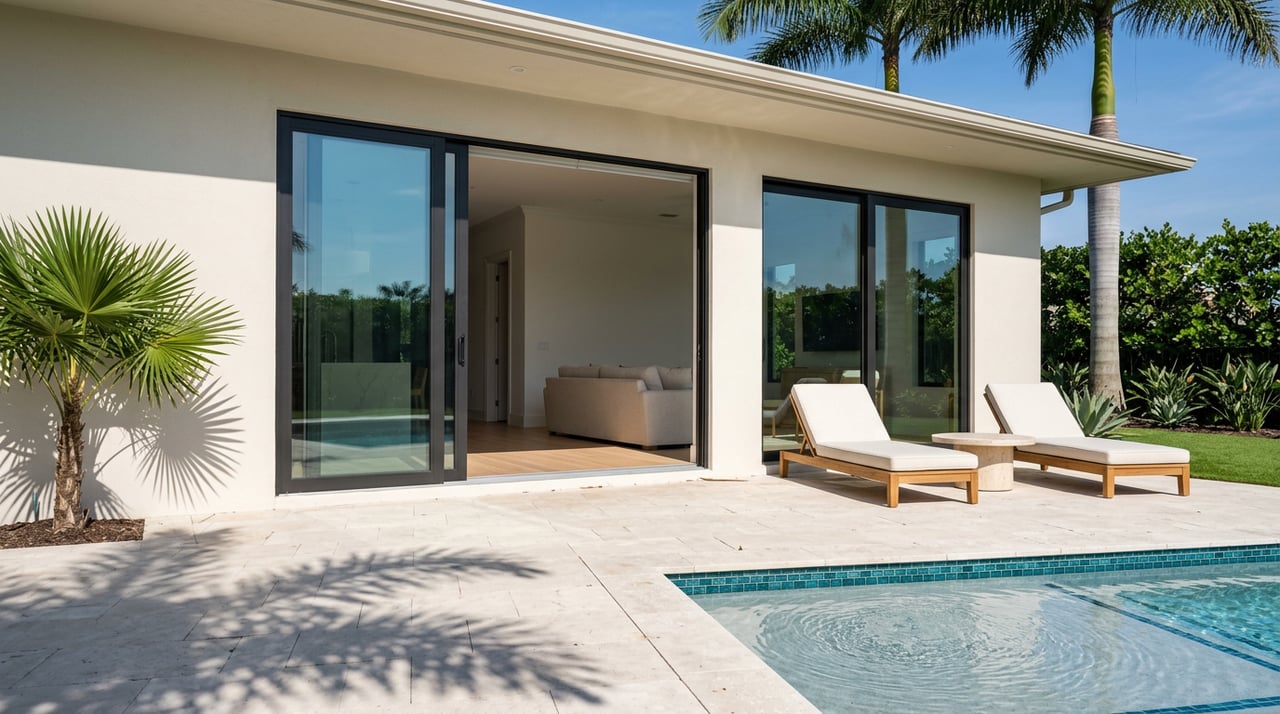
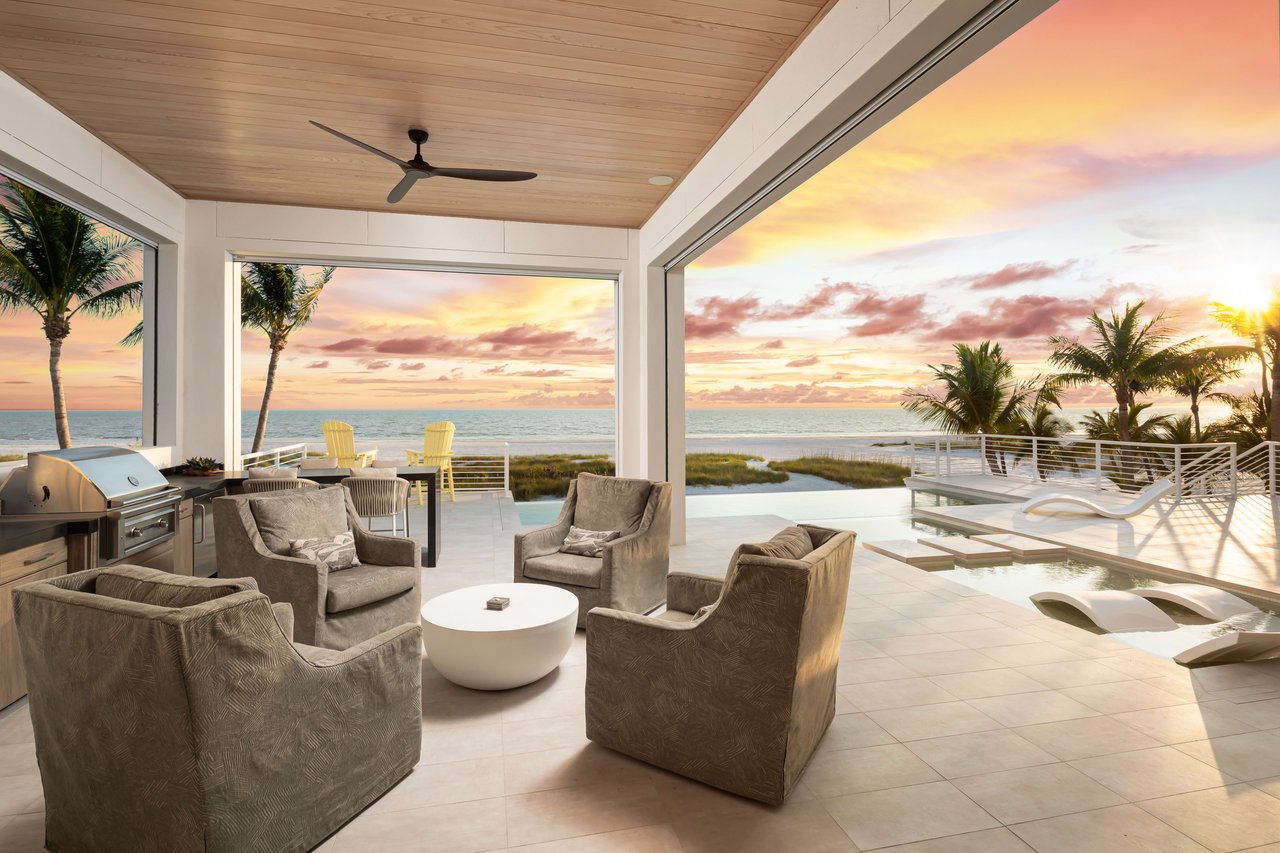
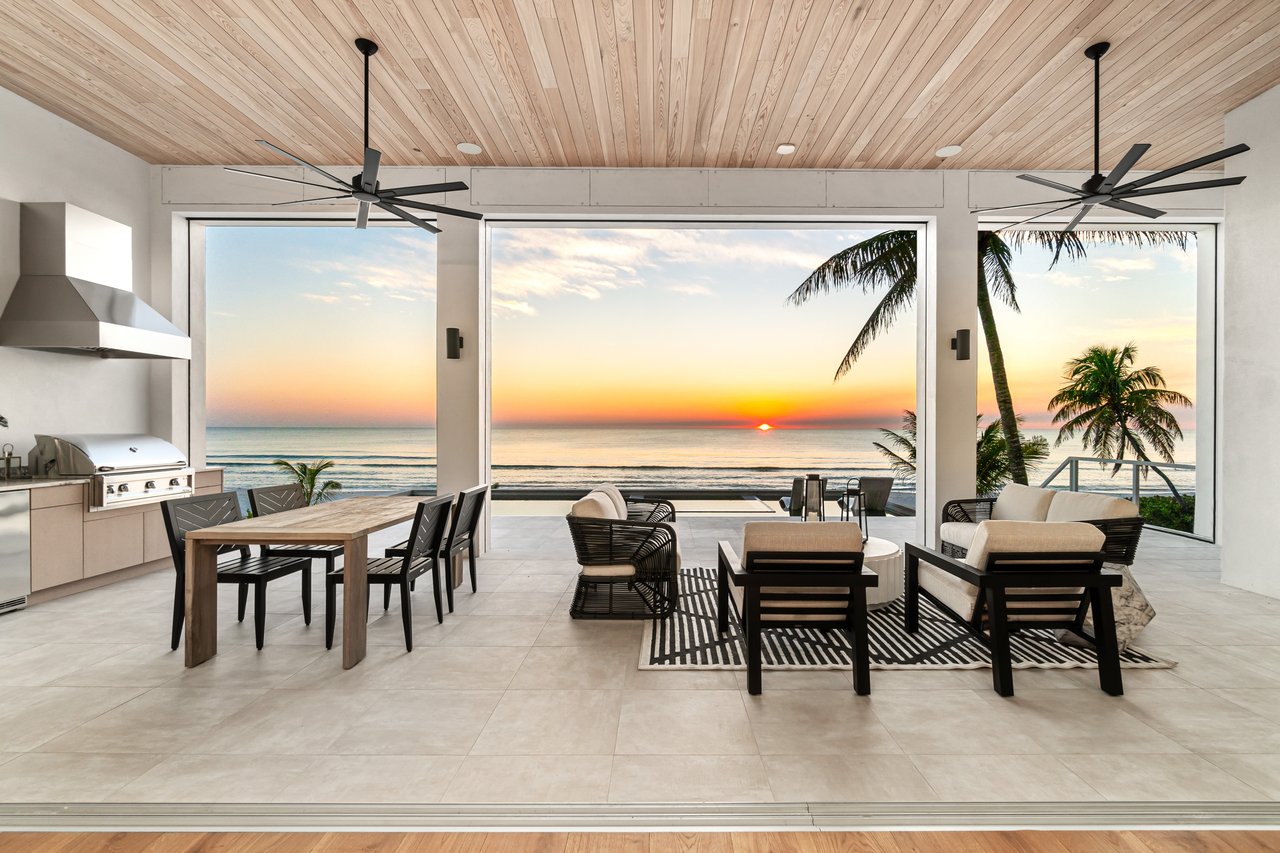
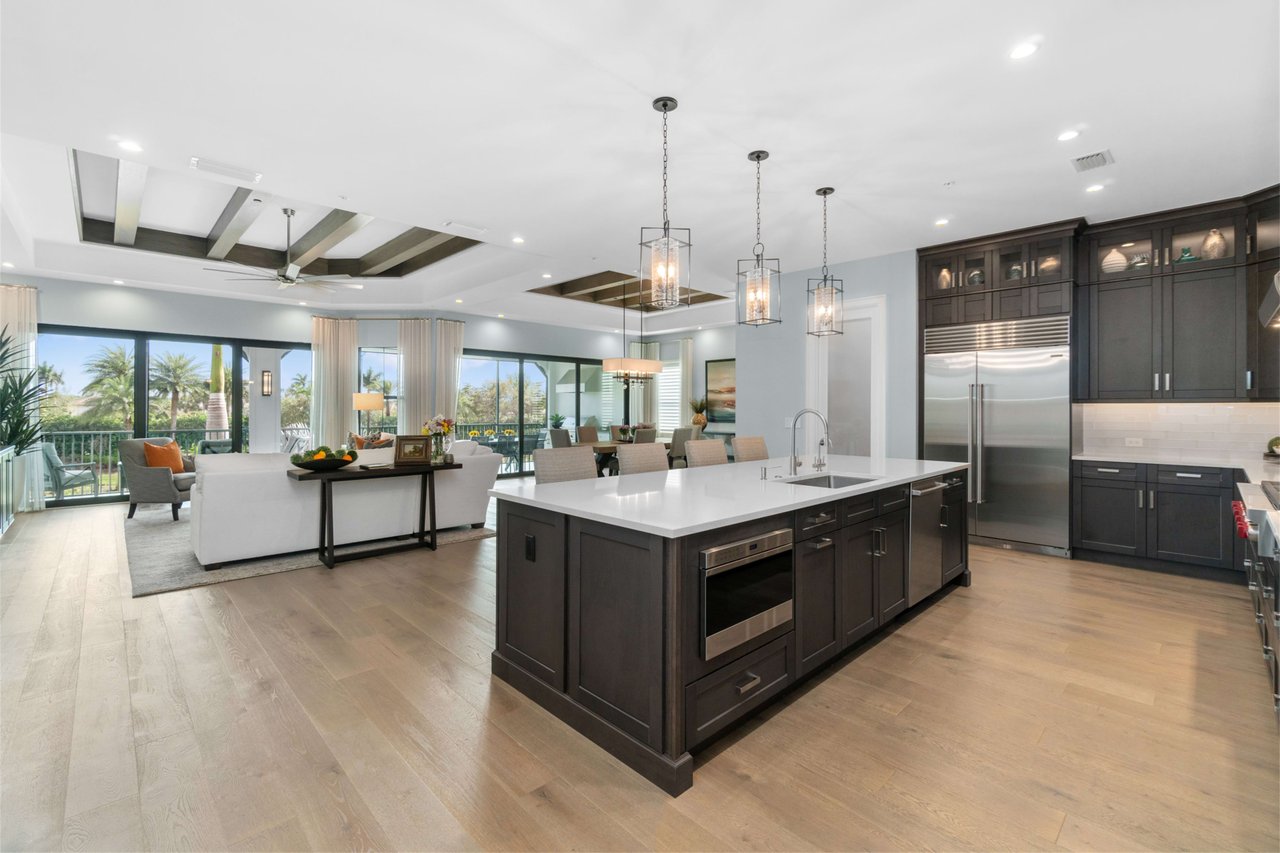
Thoughtful staging should highlight what buyers came for: the view, natural light, the relationship to the beach, and the ease of indoor-outdoor living. In many cases, less furniture and cleaner sight lines create a more premium impression.
Digital marketing is essential
Online presentation now shapes the earliest stage of buyer demand. According to NAR’s 2024 buyer and seller data, 52% of buyers said the Internet was where they found the home they purchased, and 72% used a mobile or tablet device during the search process.
That is one reason luxury beachfront pricing should never be separated from marketing execution. Professional photography, strong video, and a clean digital presentation can help buyers understand the lot, the beach connection, and the quality of the home before they visit.
For a property that competes for affluent and often remote buyers, digital first impressions are part of value creation. The market may never fully reward a great home if the presentation does not communicate its strengths.
How to think about pricing strategy
Pricing a luxury beachfront home on Bonita Beach requires balancing hard facts with market perception. The hard facts include lot dimensions, frontage, view quality, condition, elevation, insurance considerations, permits, and any realistic income potential.
Market perception is just as important. Buyers respond to how rare the property feels, how easy the ownership story appears, and whether the presentation matches the asking price.
A smart pricing strategy usually starts with these questions:
- How does your lot compare in frontage, shape, and usability?
- How protected and compelling are the views?
- Does the home’s condition support a premium, or will buyers price in updates?
- Are elevation and flood documents clear and easy to provide?
- Is the repair and permit history complete?
- Does the marketing fully show the lifestyle and site advantages?
When those answers are strong, pricing can be more assertive. When there are gaps, the strategy may need to account for buyer caution and negotiation pressure.
Why local expertise matters on Bonita Beach
On a small and highly specific beachfront market, broad pricing formulas often miss the mark. Bonita Beach homes can look similar on paper while differing meaningfully in frontage, beach feel, view angle, elevation profile, and overall buyer appeal.
That is why local coastal expertise matters. A pricing recommendation should reflect not only comparable sales, but also the details that buyers and appraisers are likely to weigh most heavily in this location.
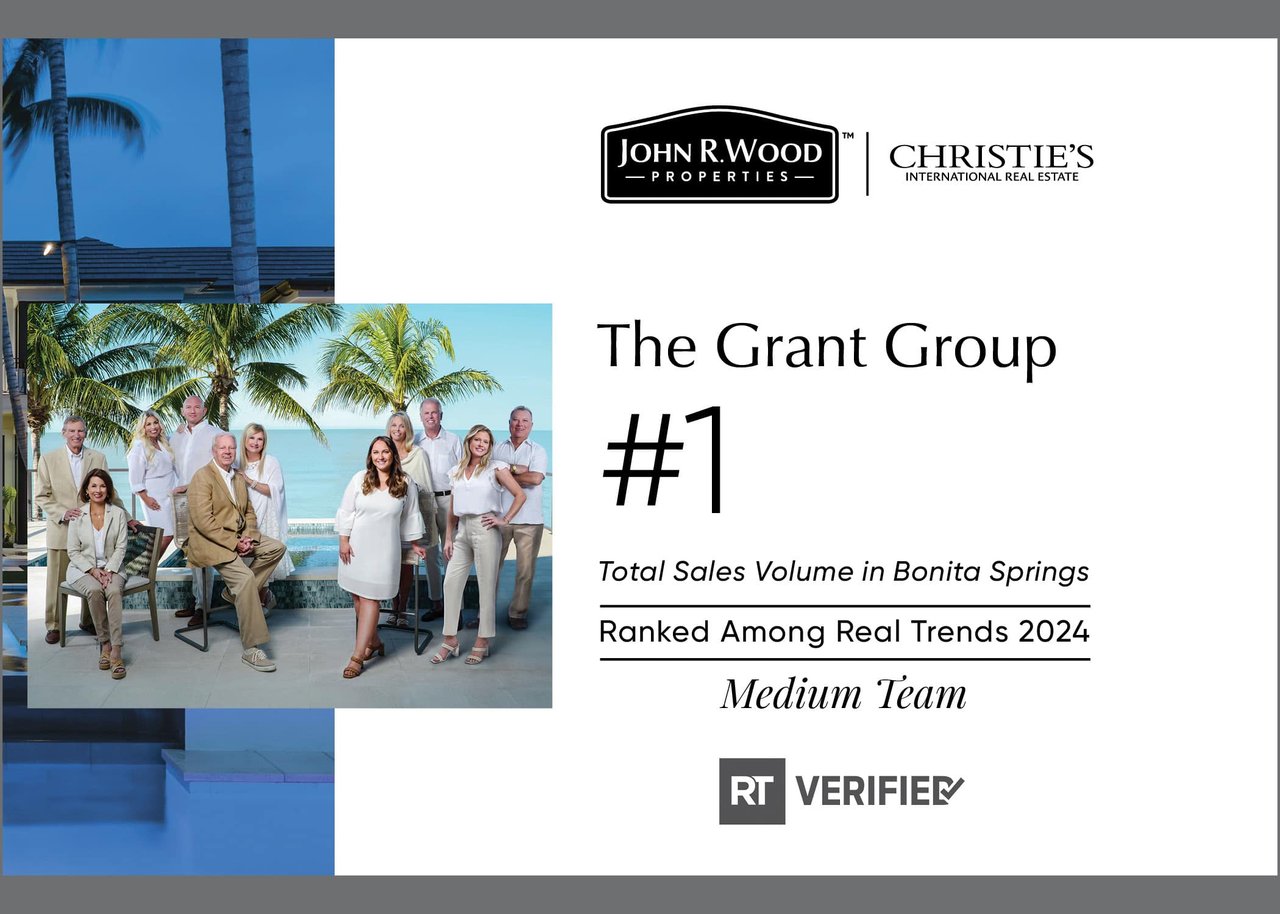
If you are considering selling, the right guidance can help you position your home with more precision and present it in a way that supports its value story. For a private consultation on pricing, positioning, and high-end marketing strategy, connect with The Grant Group.
FAQs
How are luxury beachfront homes on Bonita Beach priced?
- Luxury beachfront homes on Bonita Beach are typically priced based on a mix of lot frontage, lot shape, view quality, beach feel, home condition, elevation, compliance documentation, and overall market demand tied to the shoreline’s limited supply.
Why does lot frontage matter for Bonita Beach home values?
- Lot frontage matters because HUD appraisal guidance treats frontage and site dimensions as core valuation inputs, and on a limited beachfront like Bonita Beach, more usable width can strongly influence buyer demand and pricing.
Does flood zone status affect pricing for Bonita Beach homes?
- Yes. Flood zone status can affect insurance costs, lender requirements, and buyer confidence, which is why elevation certificates, first-floor design, and compliance records can all influence value.
Can rental income increase the value of a Bonita Beach beachfront home?
- It can, but usually as a secondary factor. Buyers may consider income potential, but taxes, licensing, and other rules need to be factored in before rental performance meaningfully supports pricing.
Does staging help sell a luxury beachfront home on Bonita Beach?
- Yes. NAR reports that staging often helps buyers visualize the home and can increase perceived value, especially when it highlights views, light, and outdoor living areas.
Why should sellers use a local Bonita Springs real estate team for beachfront pricing?
- A local team is better positioned to evaluate the micro-details that influence Bonita Beach value, including site position, shoreline conditions, documentation issues, and the marketing approach needed for luxury coastal buyers.