If you are comparing homes in Pelican Marsh, one of the biggest questions is often not the purchase price. It is the ongoing cost of ownership and what you actually get for those fees. That can feel confusing in a community with multiple governing layers, optional club access, and a wide amenity mix, but once you break it down, the picture becomes much clearer. Let’s dive in.
Pelican Marsh Fees Are Layered
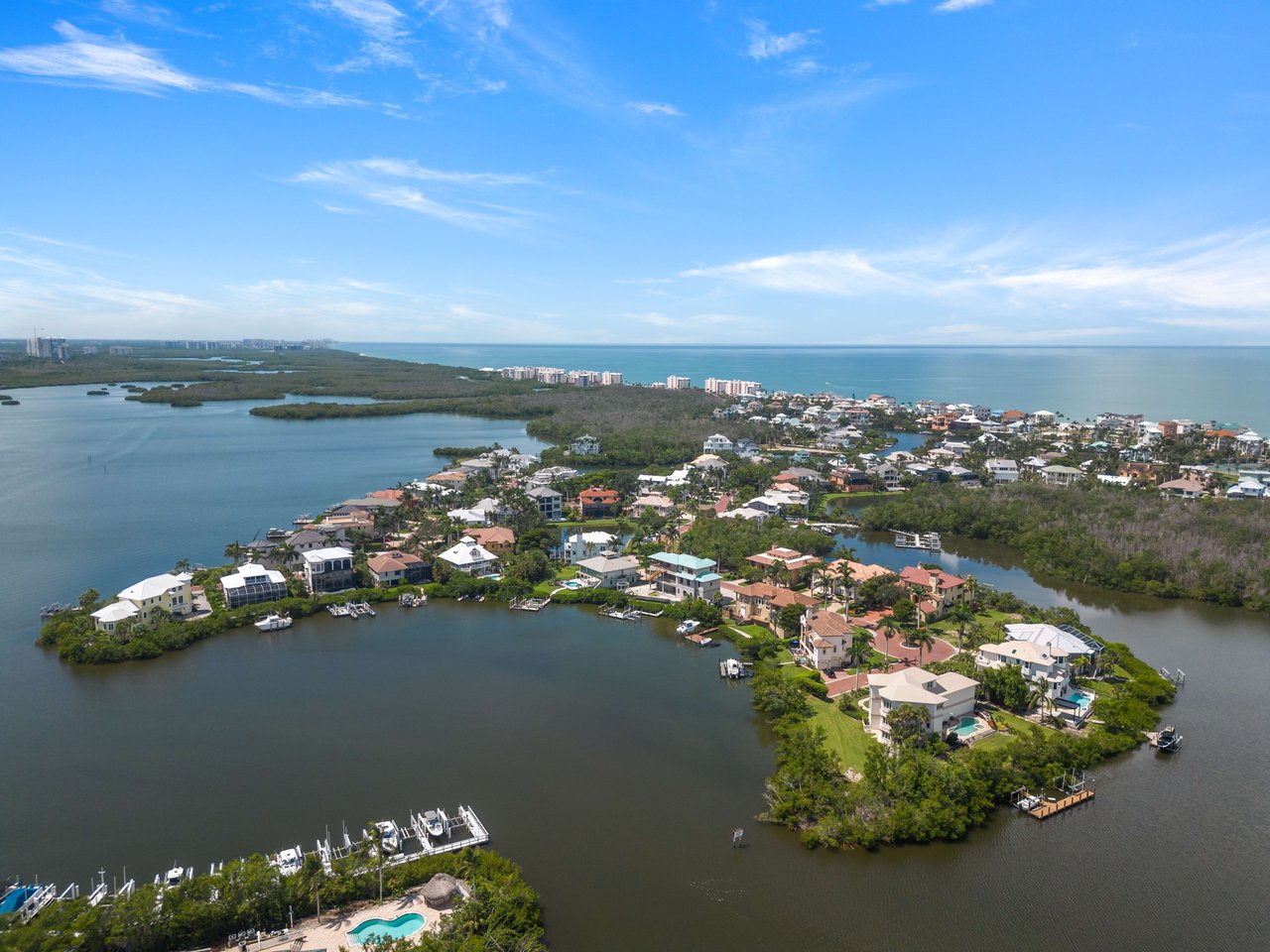
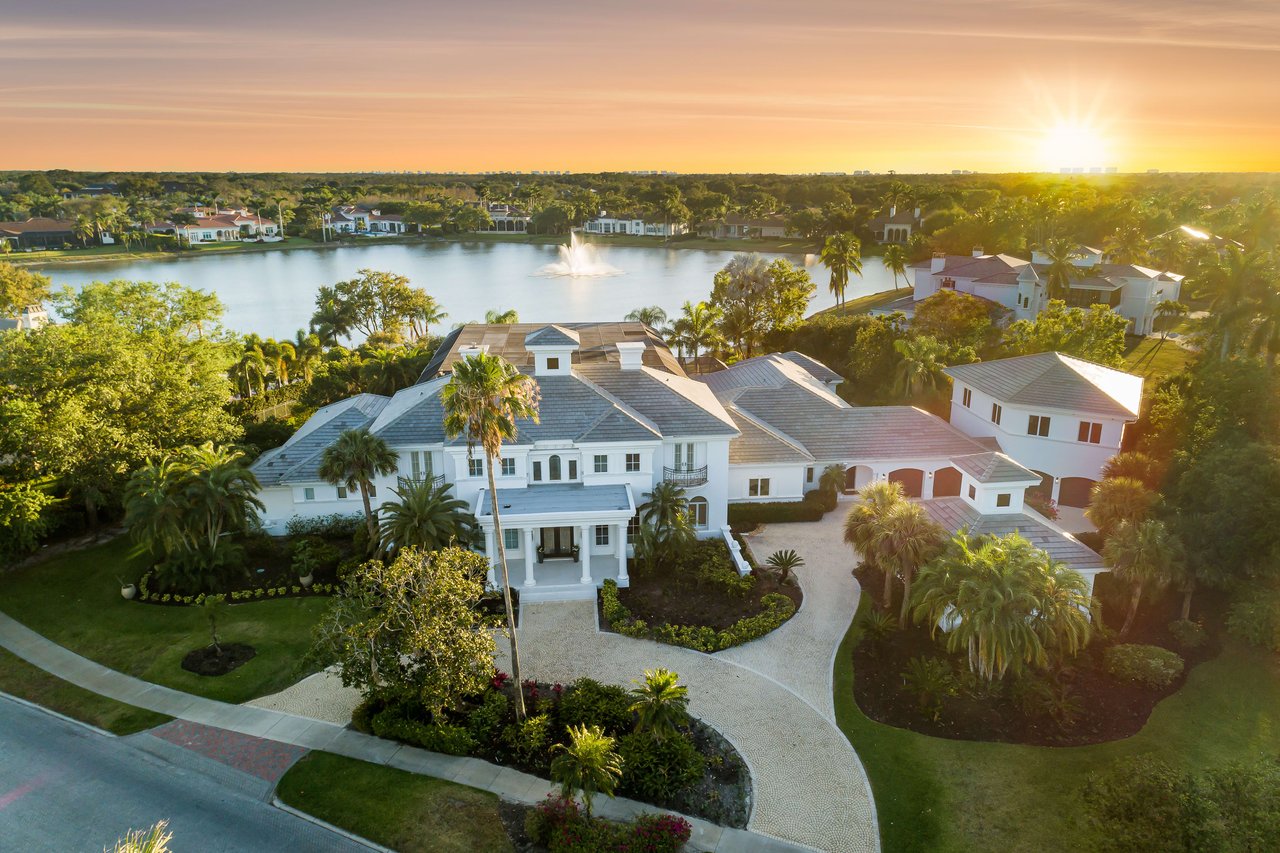
Pelican Marsh is a large master-planned community in North Naples with 2,075 acres, more than 3,000 homes, and 26 named communities. Because of that structure, it does not operate as a simple one-fee neighborhood. Instead, ownership costs may come from more than one governing layer.
At the broadest level, public materials point to three main layers buyers should understand: the Foundation, the Community Development District, and in some cases a neighborhood or condo association. For some buyers, there may also be optional club membership costs on top of those required charges.
That distinction matters because the right question is not just, “What is the HOA fee?” A better question is, which fee pays for which service or amenity, and which costs are optional?
Foundation Fees and What They Cover
The Foundation serves as the master-association side of Pelican Marsh. Public materials show that its resident-elected Board of Directors handles the community center and related amenities, which makes this one of the main cost buckets for owners to understand.
The Foundation’s public information states that bulk cable and internet service are included as part of the annual maintenance assessment, with Comcast as the provider. Its audited 2024 financial statements also show categories tied to maintenance fees, cable assessment, fitness center revenue, court sports revenue, administration, repairs and maintenance, utilities, and food and beverage.
In practical terms, this suggests the Foundation assessment supports both day-to-day community operations and many of the community-center amenities that shape the Pelican Marsh lifestyle. Annual maintenance fees are set through a Board-approved budget, and each residential unit is assessed its proportionate share of common expenses.
CDD Assessments Are Separate
Another important cost layer is the Pelican Marsh Community Development District, or CDD. This is separate from the Foundation and should not be viewed as just another line item within a standard homeowners association budget.
The Pelican Marsh CDD was established in 1993 and is overseen by a five-member Board of Supervisors elected as public officials. According to community materials, the CDD provides and maintains district-level items such as streetlights, sidewalks, landscaping, lakes, water management, gatehouses and related personnel, privacy patrols, and access control items like resident gate transponders.
For buyers, the key takeaway is simple. CDD assessments help fund shared infrastructure and district services, while Foundation assessments help support the master community operations and amenity experience.
Neighborhood Dues May Add Another Layer
Because Pelican Marsh includes 26 named communities, some homes may also have neighborhood-level or building-level dues. The community’s design guidelines reference Neighborhood Associations, which supports the idea that certain properties have an added village or condo layer beyond the Foundation and CDD.
The public information does not publish every sub-community fee structure in one master schedule. That means the exact dues, services, and responsibilities must be confirmed for the specific property you are considering.
This is especially important if you are comparing a condominium to a single-family home, or one village to another. One property may have additional exterior maintenance or building-related services built into its dues, while another may not.
Optional Club Membership Is Different
One of the most common points of confusion in Pelican Marsh is the golf club. Pelican Marsh Golf Club is a separate, private membership facility inside the community, and official materials describe it as member-owned.
The club states that residency is not required to join, and membership is offered in three tiers: Golf, Social, and Dining. Golf members receive unlimited golf plus dining and social privileges. Social members receive unlimited dining, social access, practice-facility access, and limited golf. Dining members receive dining and social privileges.
That means you should not assume that owning a home in Pelican Marsh automatically includes golf-club access. In this community, golf-club costs are optional lifestyle costs, not part of the standard ownership package.
What Amenities Come With Community Ownership
A major strength of Pelican Marsh is that many lifestyle amenities are centered on the Foundation and community-center side of the community. For buyers who value an active, social setting, this is an important part of the ownership story.
Official materials list the following community-center amenities:
- Eight Har-Tru tennis courts
- Six lighted pickleball courts
- Three lighted bocce courts
- A fitness center
- Trainers and exercise programs
- Spa services
- A social program
- A resident library and computer room
- Banquet and meeting rooms
The Foundation also notes annual club championships and extensive court-sport programming. So if you are drawn to racquet sports, fitness, and a full community calendar, much of that experience is tied to ownership in the community rather than to the separate private golf club.
Why This Matters for Buyers
When you are comparing gated communities in North Naples, it is easy to focus on one monthly or annual number. But in Pelican Marsh, the more useful approach is to separate costs into mandatory community charges and optional lifestyle charges.
Mandatory charges typically include:
- Foundation assessment
- CDD assessment
- Any neighborhood or condo association dues tied to the property
Optional charges typically include:
- Golf-club membership
- Club-specific dining or social commitments tied to the selected membership tier
This framework gives you a more accurate cost-of-ownership picture. It also helps you decide whether the community’s amenity package matches the way you actually want to live.
Questions to Ask Before You Buy
If you are serious about a home in Pelican Marsh, due diligence should go beyond the listing sheet. You want to understand the current fee structure, what each charge covers, and whether any transfer-related costs may apply at closing.
A smart starting point is to request three separate document sets for the specific property:
- The Foundation’s current budget and financial statements
- Current CDD assessment information
- The neighborhood or condo association documents for the home being considered
This matters because the total cost can vary by property type and sub-community. A buyer looking at one villa or condo may face a different dues structure than a buyer looking at a single-family residence in another section of Pelican Marsh.
Do Not Overlook Resale Capital Fees
Another item worth confirming is whether a buyer-side resale capital fee applies at closing. The Foundation’s audited statements reference resale capital fees and show that those proceeds are allocated among operating, replacement, and capital funds.
The practical takeaway is that you should verify the current fee and closing package directly for the home under contract rather than relying on older numbers or secondhand estimates. This is one of those details that can affect your total cash-to-close and should be reviewed early.
A Clearer Way to Evaluate Value
Pelican Marsh can make strong sense for buyers who want a broad amenity base, a gated setting, and optional access to a separate private golf experience. But its fee structure is best understood as a layered system, not a single bundled charge.
Once you separate the Foundation, CDD, neighborhood dues, and optional club costs, the community becomes much easier to evaluate. You can see what is required, what is elective, and how each layer contributes to the overall ownership experience.
If you are considering a purchase in Pelican Marsh, careful document review can help you compare properties with much more confidence. For tailored guidance on Pelican Marsh and other North Naples golf-community opportunities, request a private consultation with The Grant Group.
FAQs
What fees should buyers expect in Pelican Marsh?
- Buyers should expect to review up to three mandatory cost layers: a Foundation assessment, a CDD assessment, and possibly neighborhood or condo association dues depending on the property. Optional golf-club membership costs may be separate.
What does the Pelican Marsh Foundation fee cover?
- Public materials indicate the Foundation assessment supports community-center operations and amenities, and it includes bulk cable and internet service as part of the annual maintenance assessment.
What does the Pelican Marsh CDD pay for?
- The CDD helps fund shared infrastructure and district services such as streetlights, sidewalks, landscaping, lakes, water management, gatehouses, privacy patrols, and certain access control items.
Does owning in Pelican Marsh include golf-club membership?
- No. Official materials show that Pelican Marsh Golf Club is a separate, private membership facility with Golf, Social, and Dining membership options.
What amenities are included through community ownership in Pelican Marsh?
- Community-center amenities listed in official materials include tennis courts, pickleball courts, bocce courts, a fitness center, trainers and exercise programs, spa services, social programming, a resident library/computer room, and banquet and meeting rooms.
What documents should buyers review for a Pelican Marsh property?
- Buyers should review the Foundation’s current budget and financials, CDD assessment information, and the specific neighborhood or condo association documents for the property they are considering.
Is there a resale capital fee in Pelican Marsh?
- The Foundation’s audited statements reference resale capital fees, so buyers should confirm whether a current fee applies to their transaction and review the current closing information for the specific property.