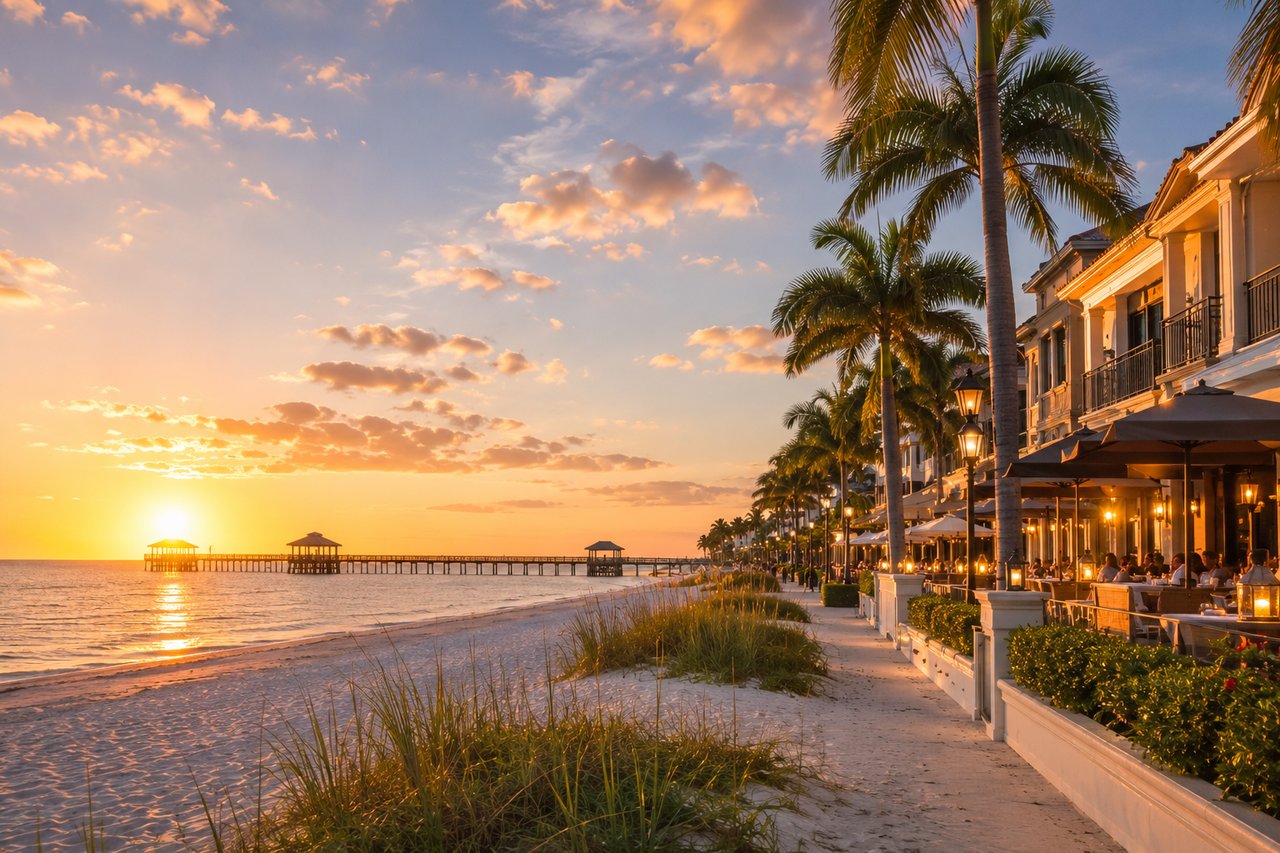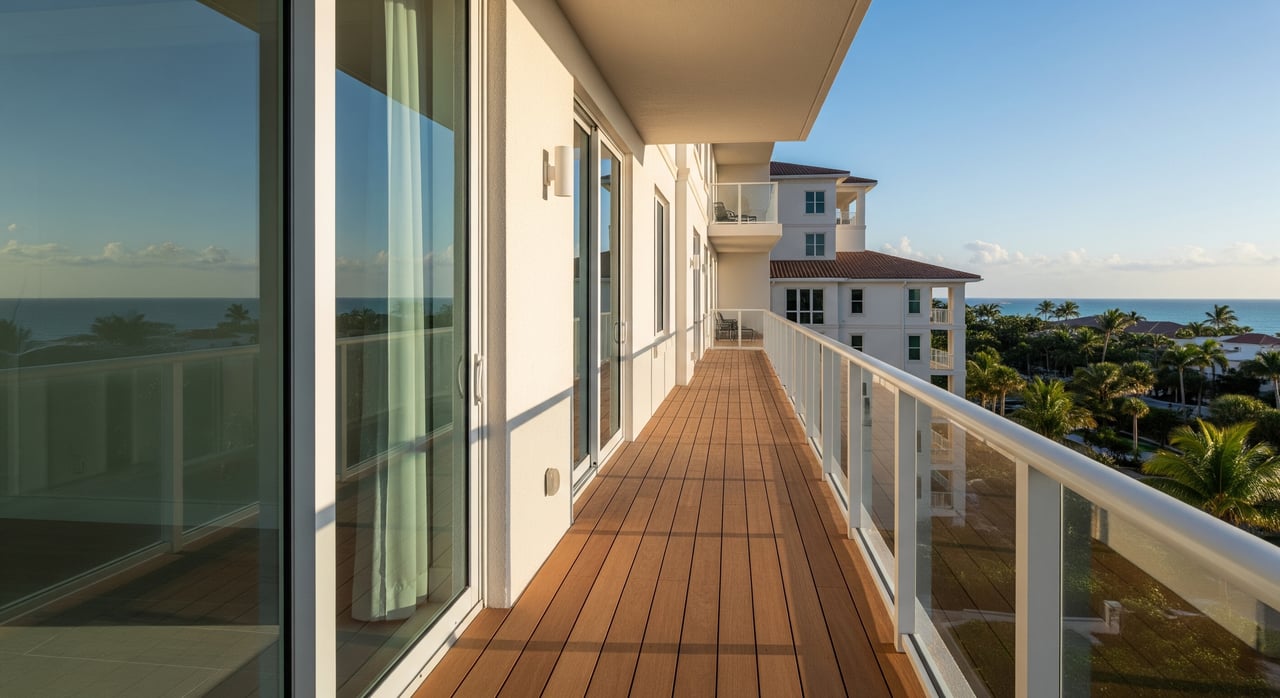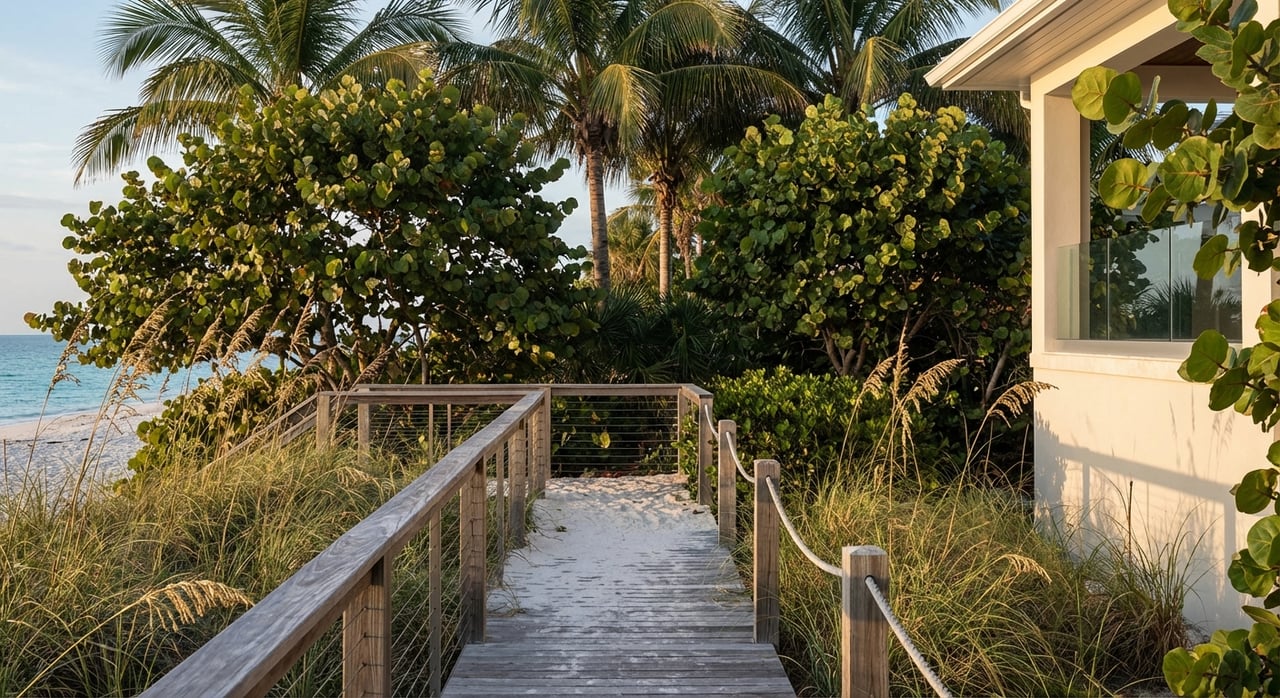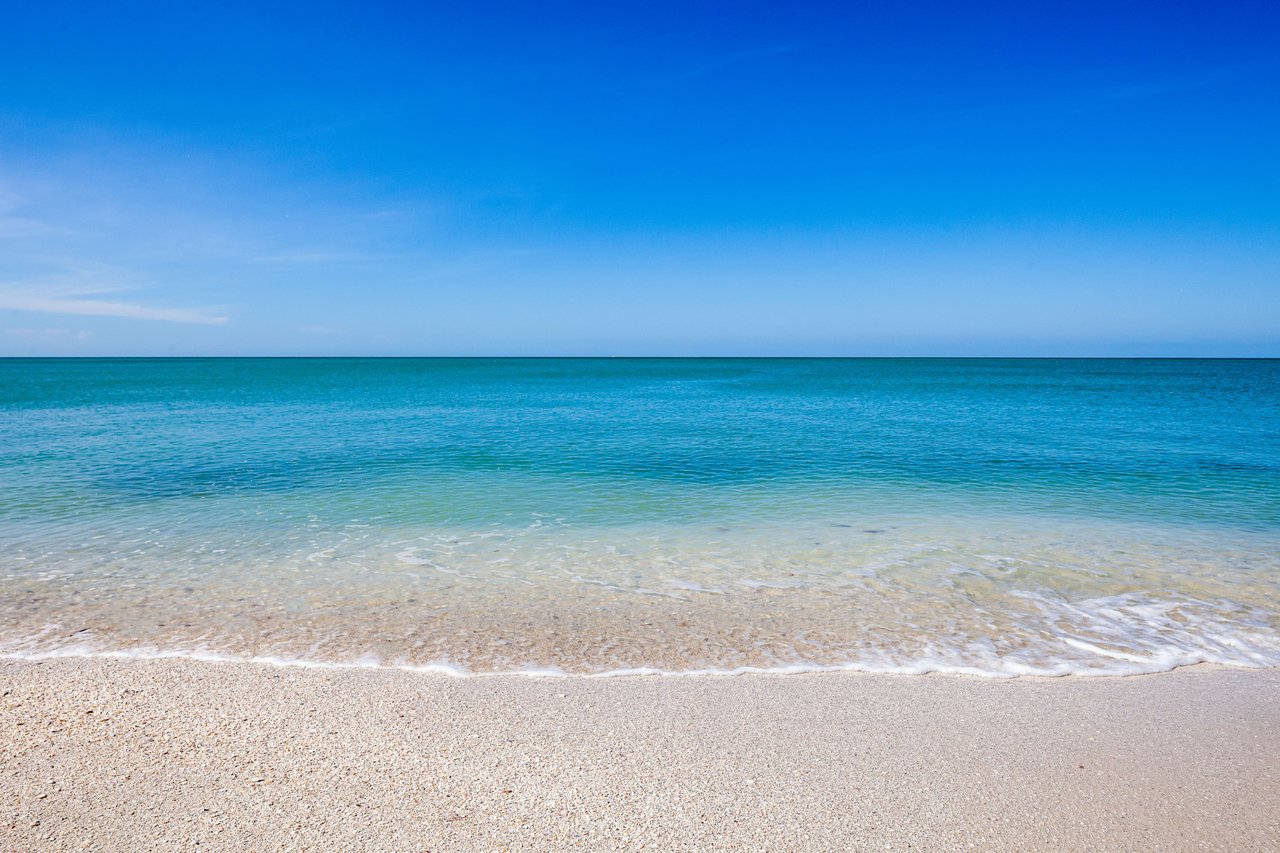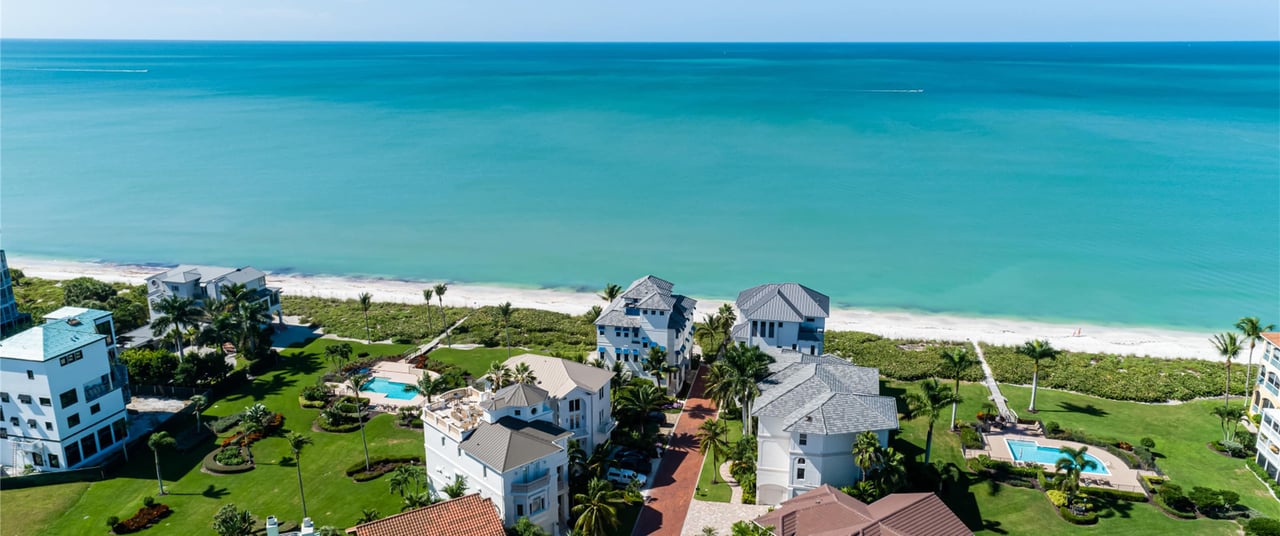
By the first week of August, the beach in front of your building looks different than it did in April. Small wooden stakes marked with orange tape trace a broken line along the dune, spaced at intervals a walker eventually stops counting. The tide brings in the same shells. The porch lights on the third-floor units come on later, and dimmer, than they used to.
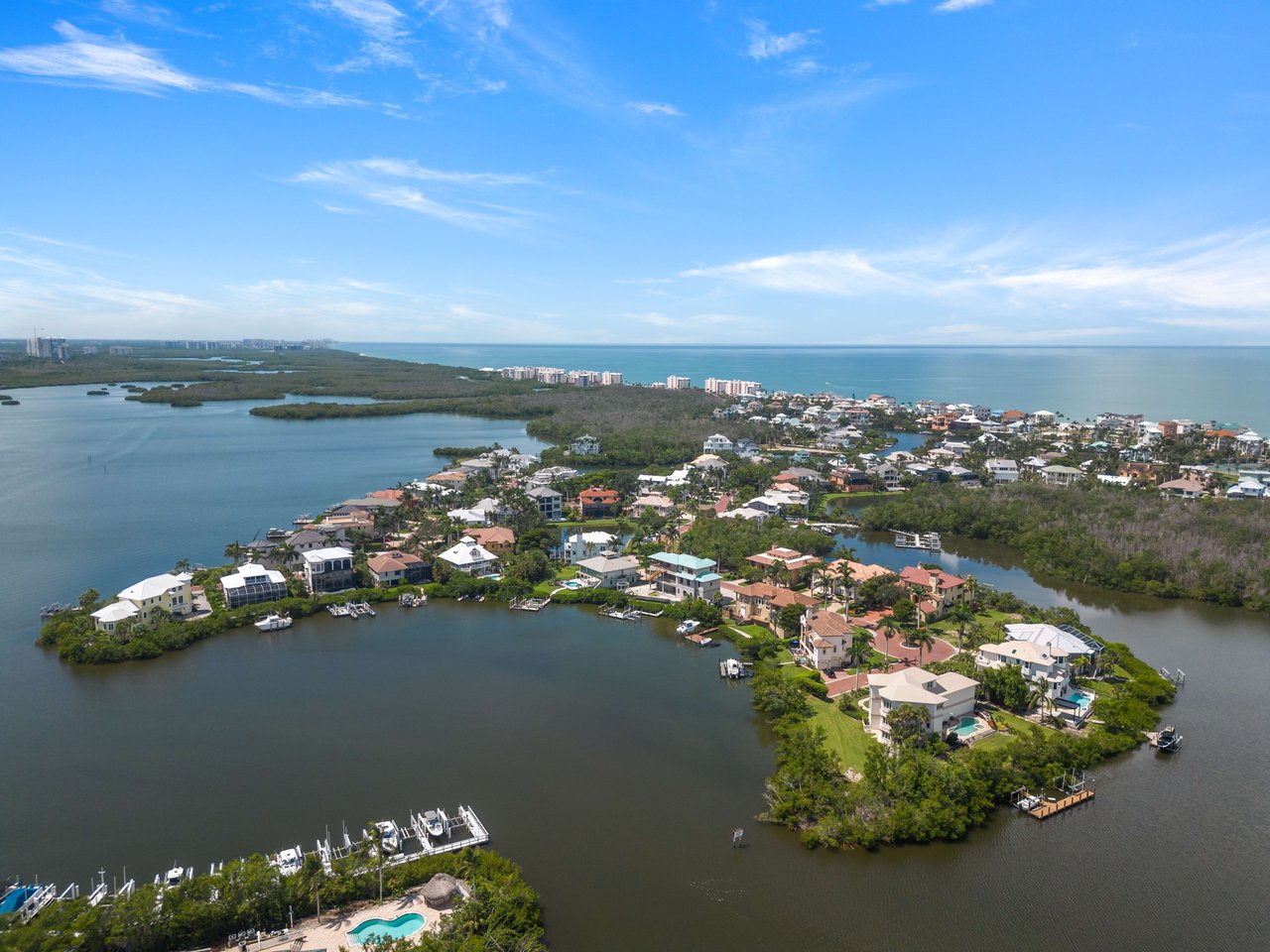
This is the quiet operating rhythm of Barefoot Beach from May through October, and it is the reason the stretch of sand between Little Hickory Bay and Wiggins Pass keeps feeling like a preserve even as the wider coast fills in. For residents, the season is less about what happens on the beach and more about a set of small nightly choices the rest of Bonita Springs never has to make.
The 9:00 and 9:30 Rhythm
The county rule that shapes evenings on Barefoot Beach is deceptively simple. Turn off or shade lights from illuminating the beach by 9 p.m. and remove all beach furniture from the beach by 9:30 p.m. Flashlights should not be used on the beach at night, since lights deter turtles attempting to nest, and residents living near the beach are asked to shield lights that face seaward or turn off unnecessary lighting.
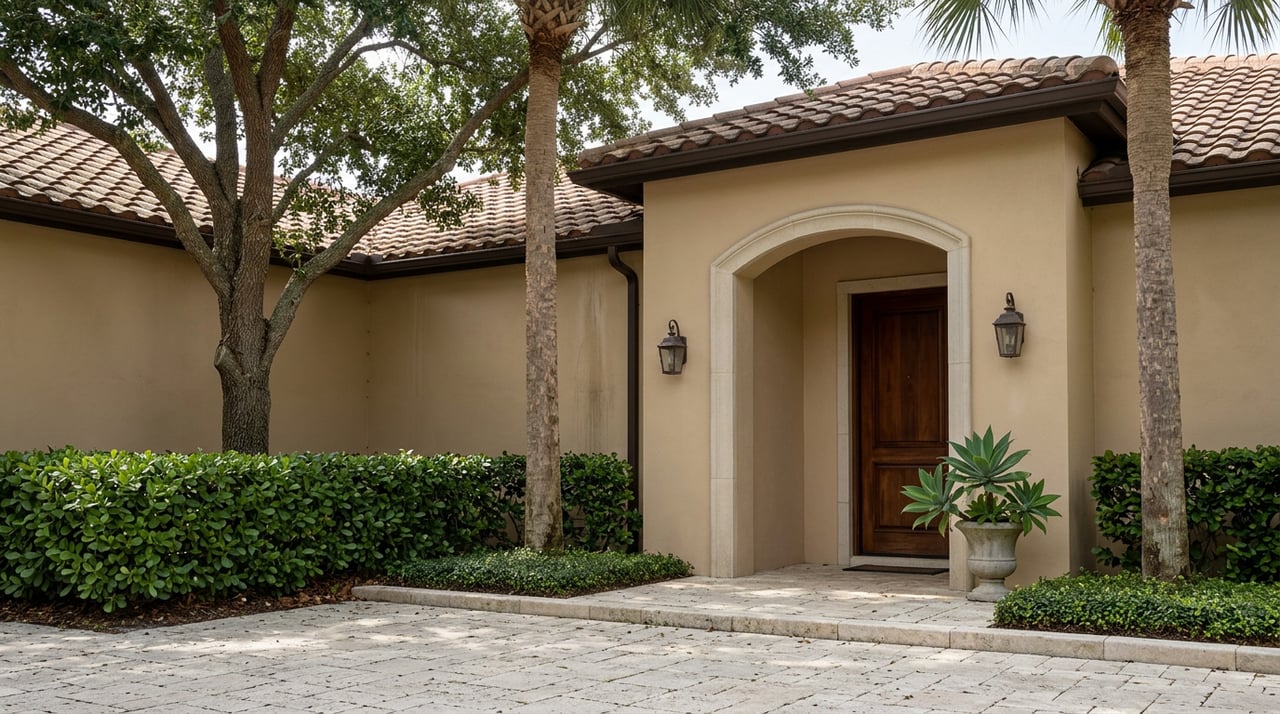
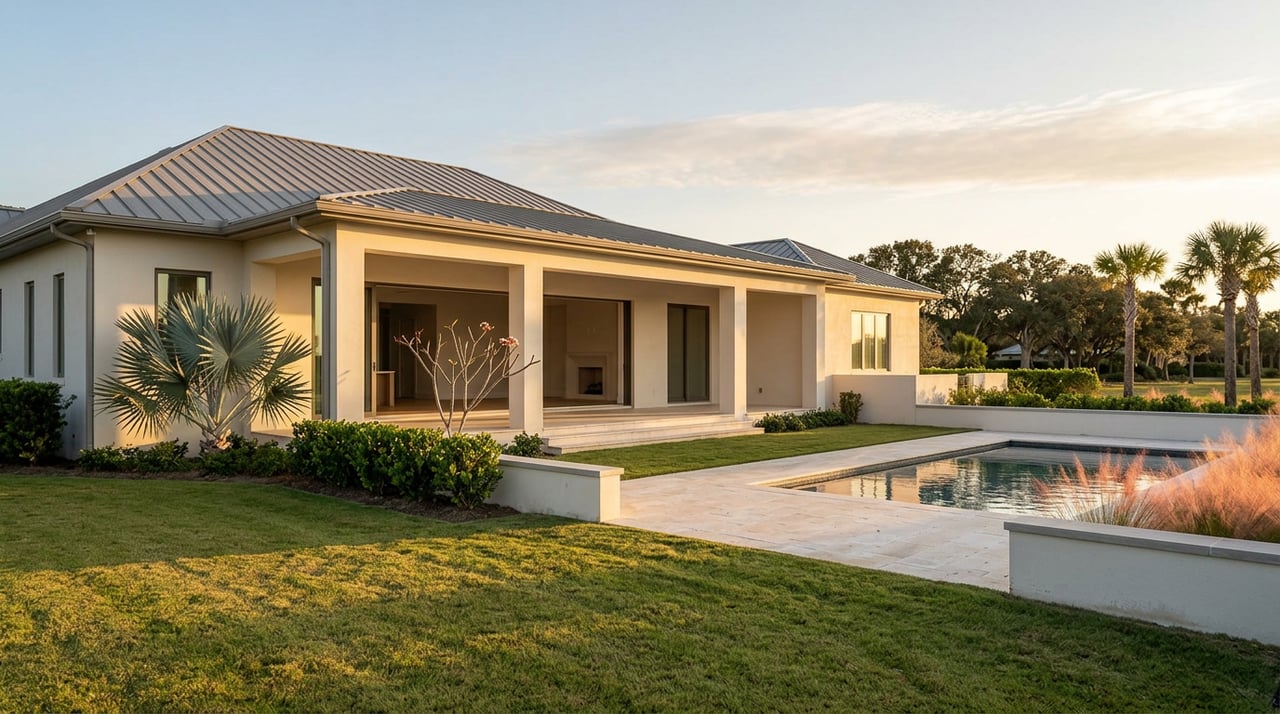
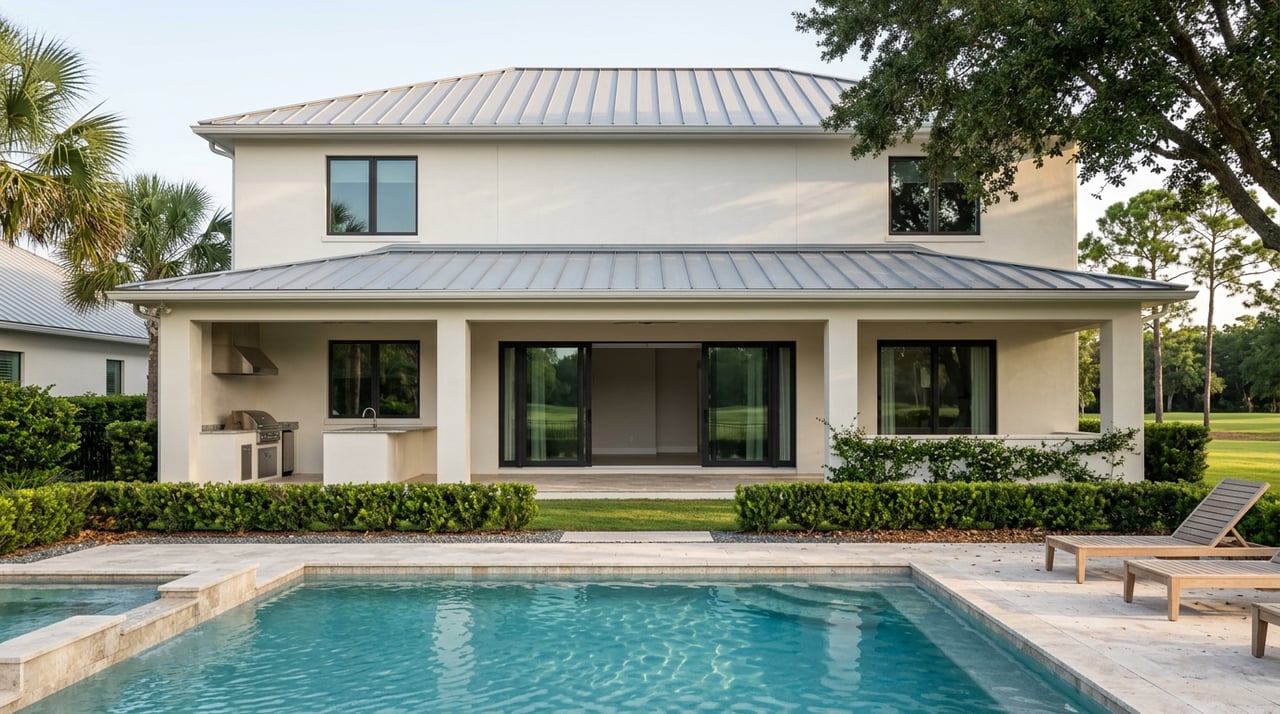
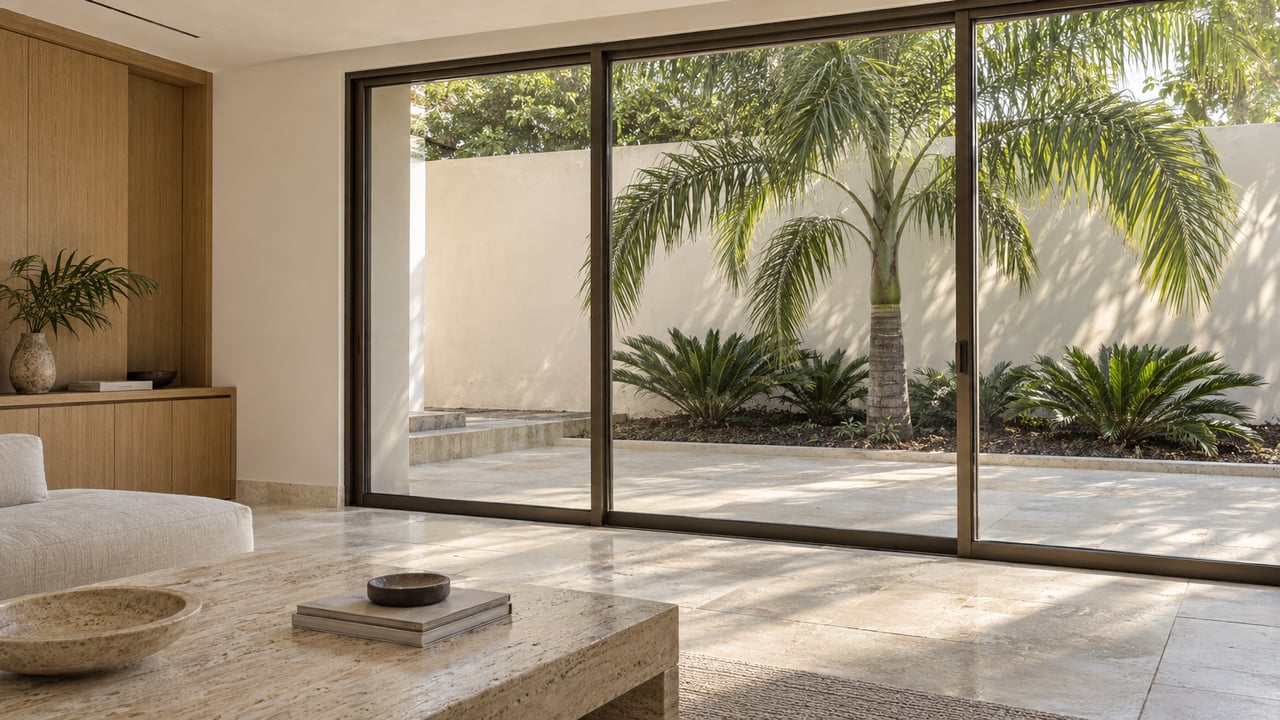
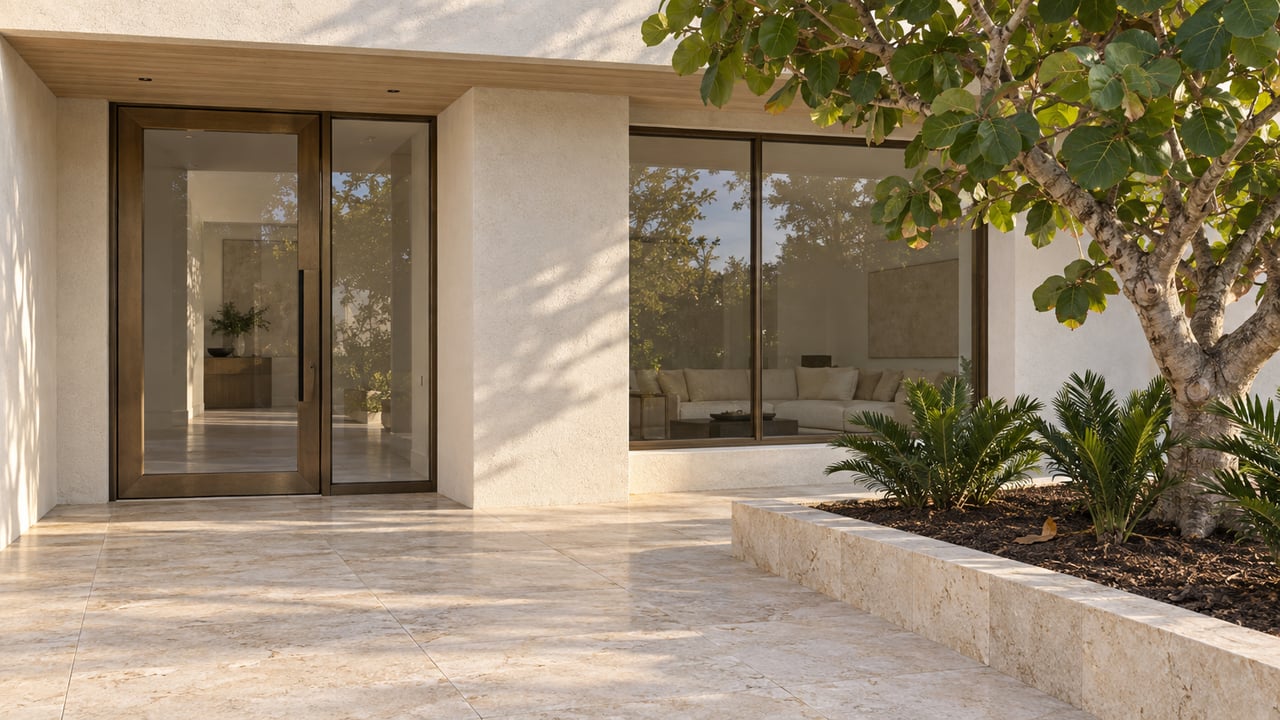
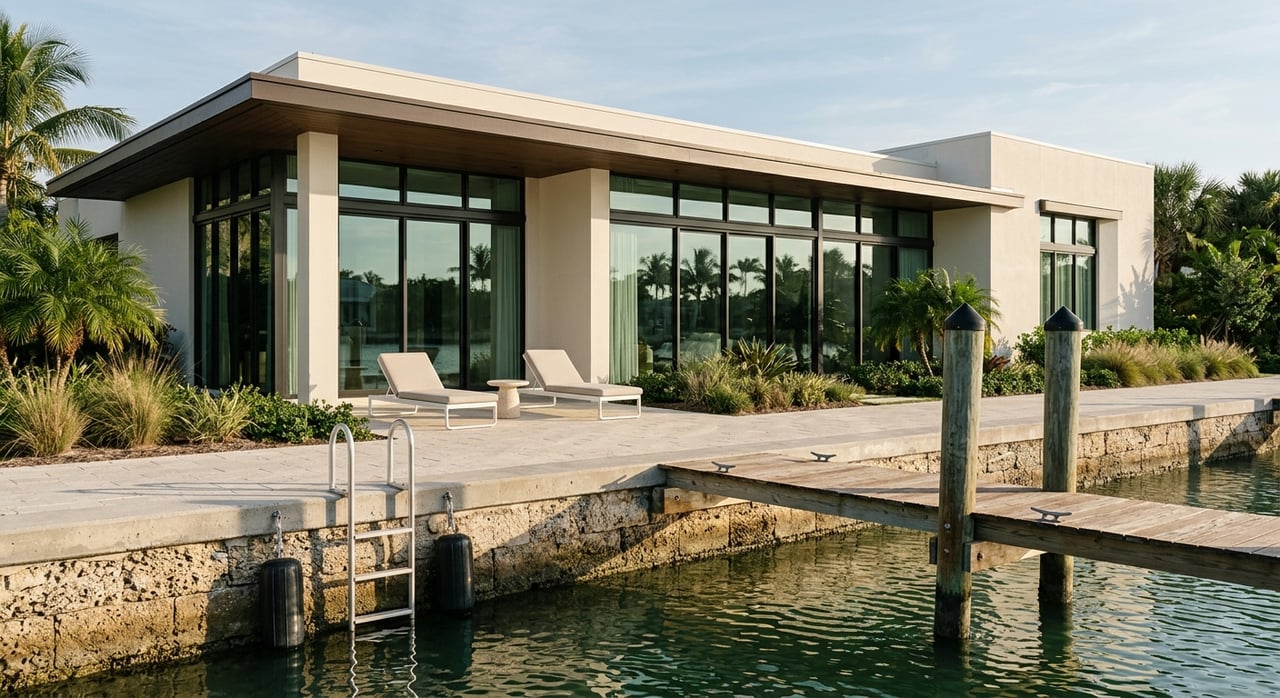
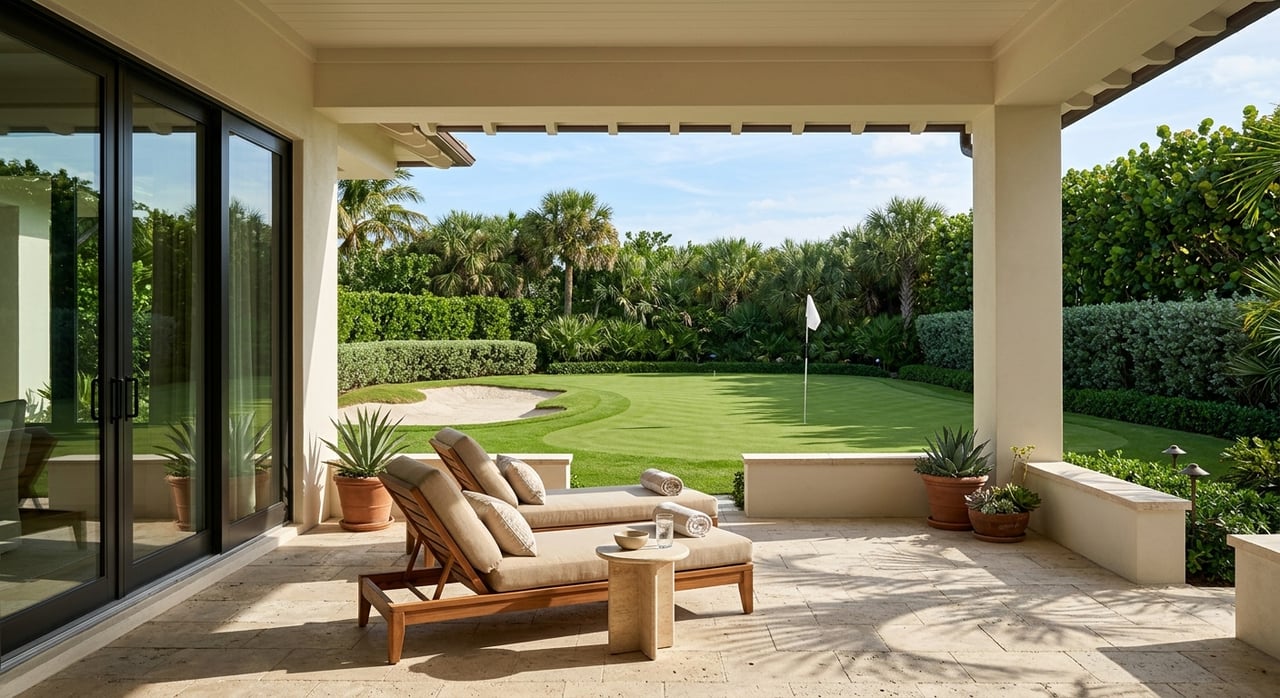
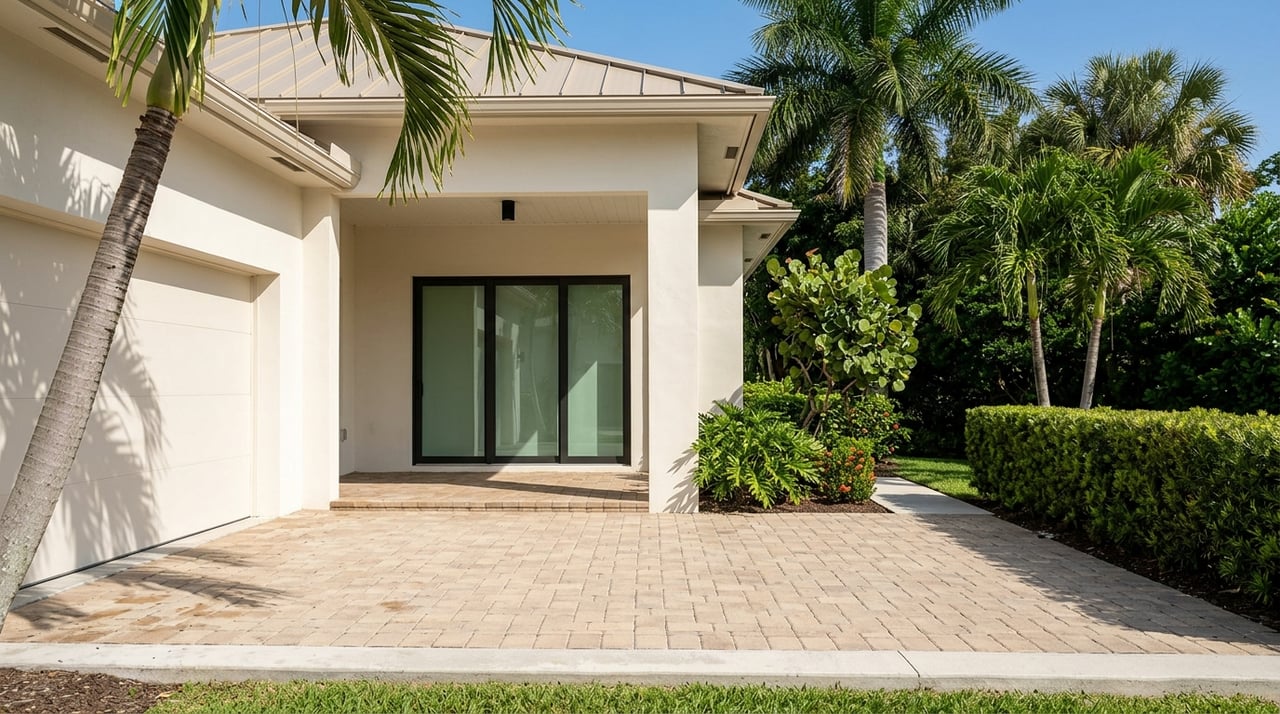
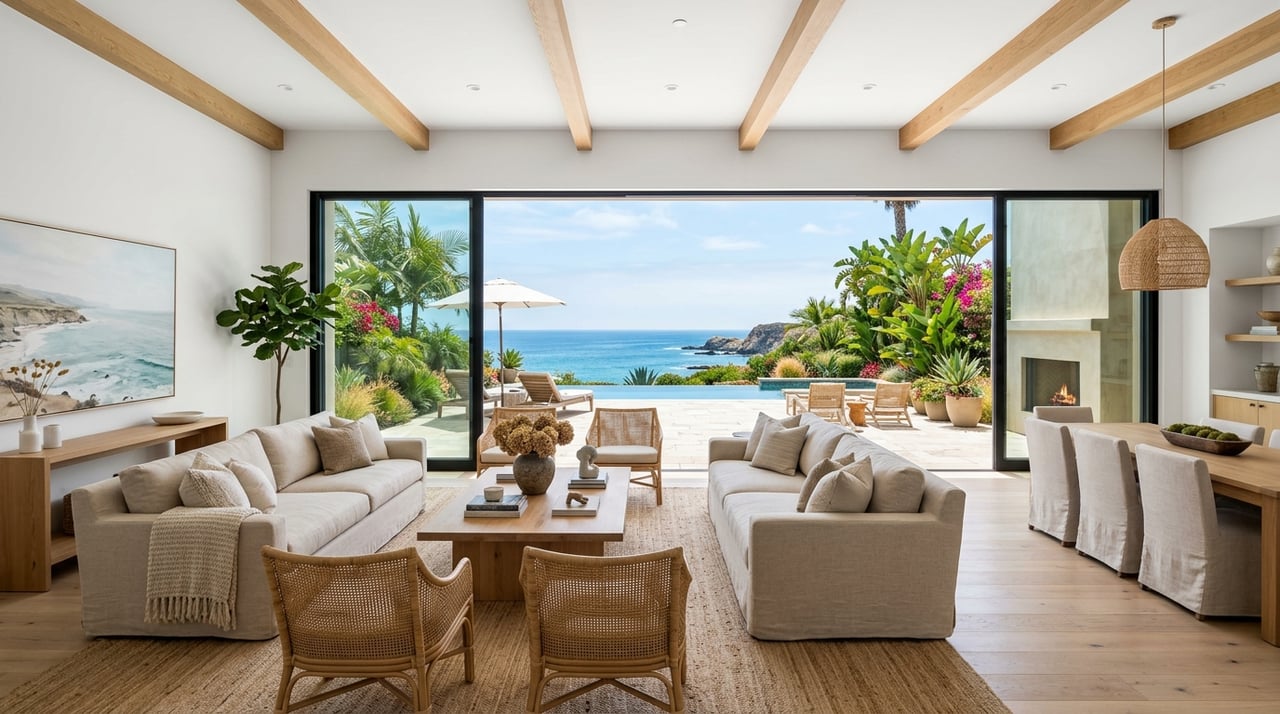
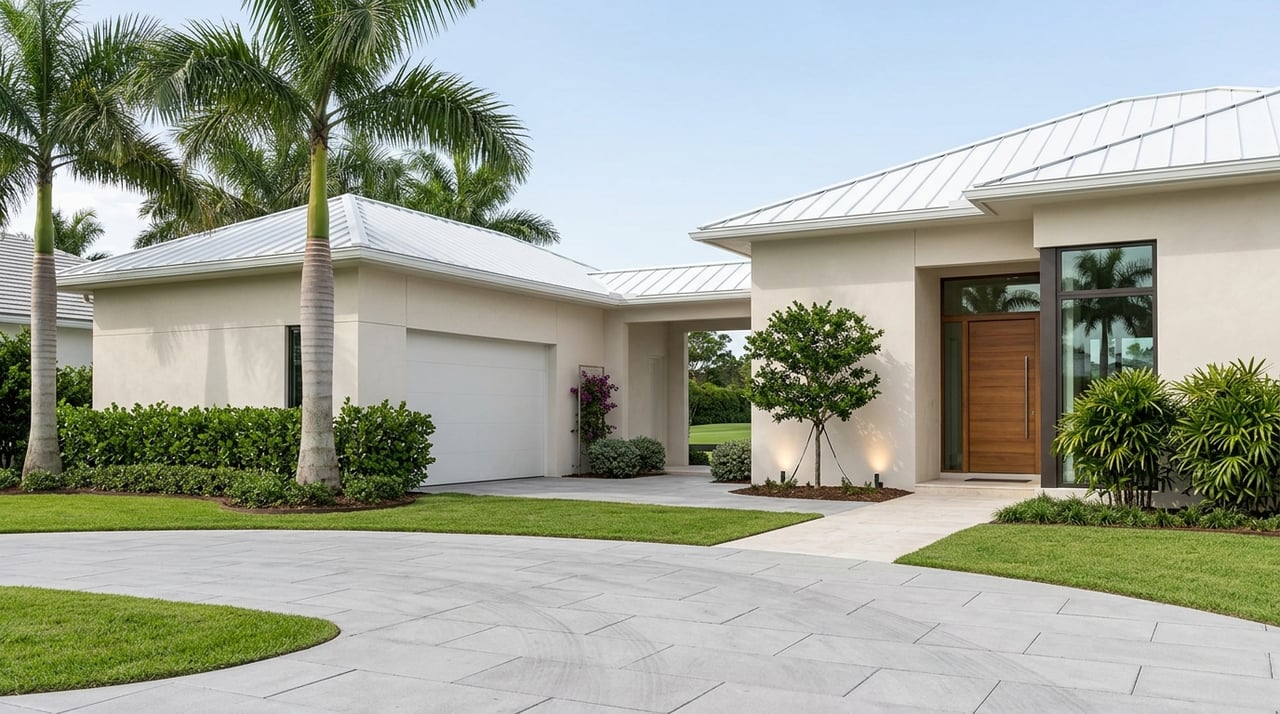
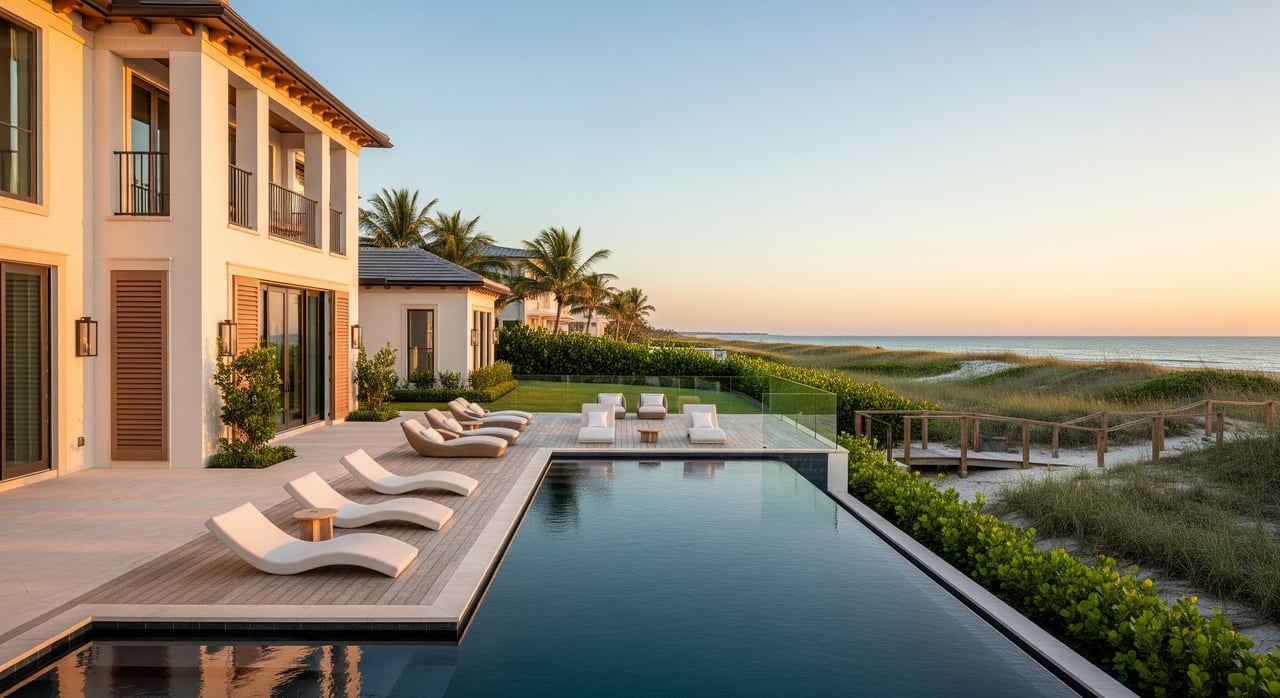
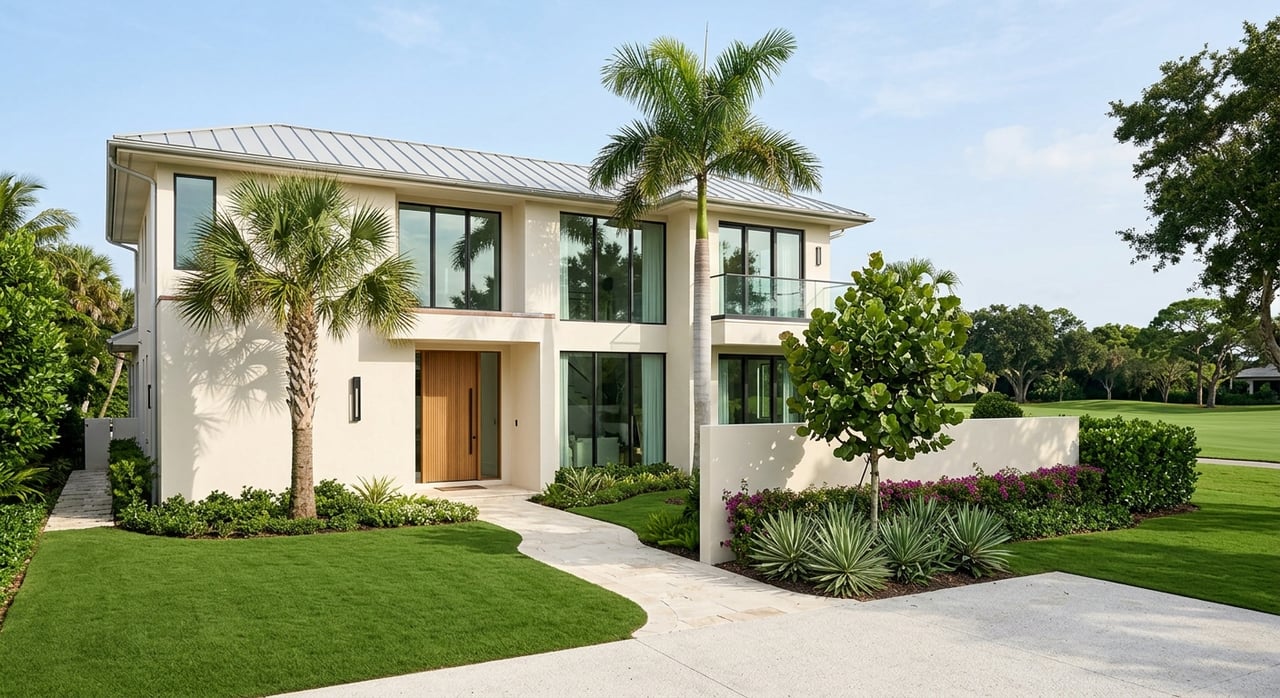
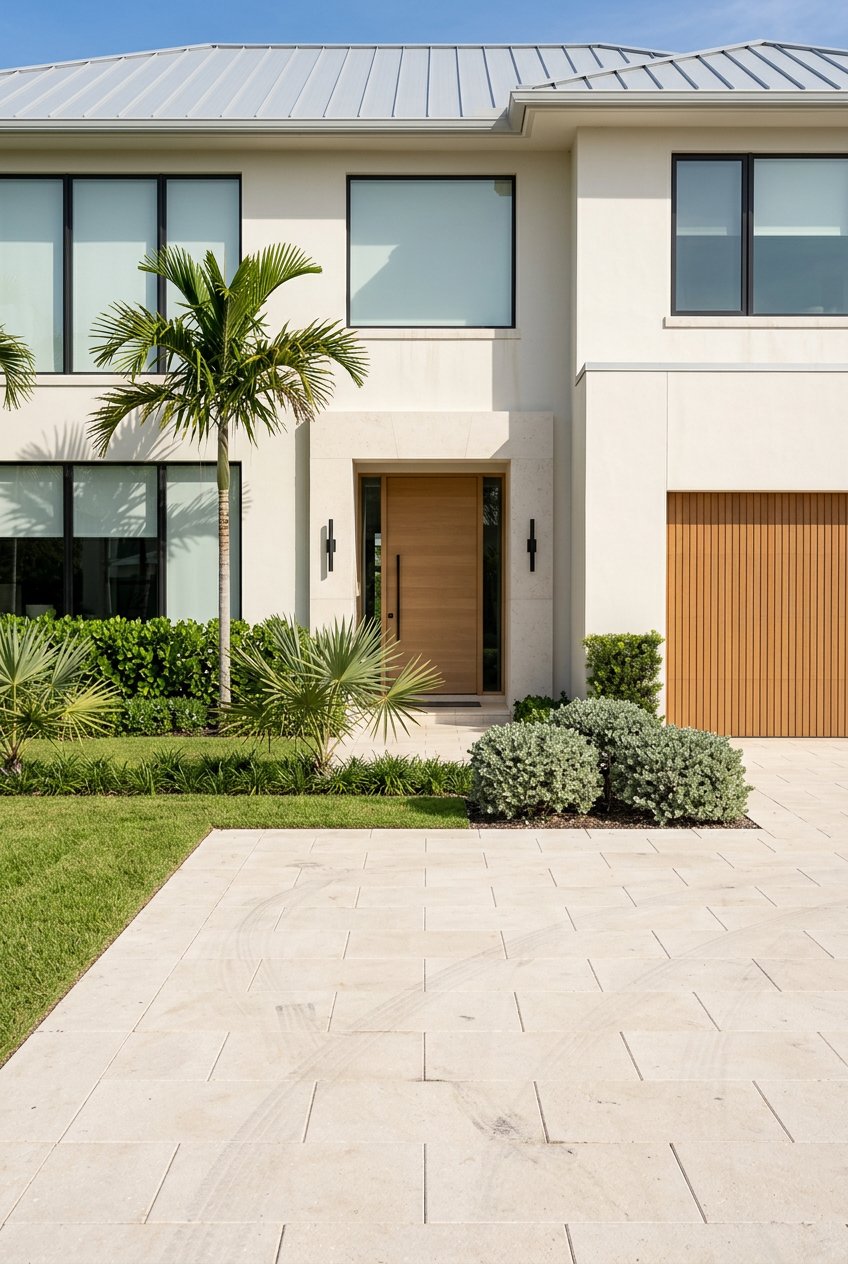
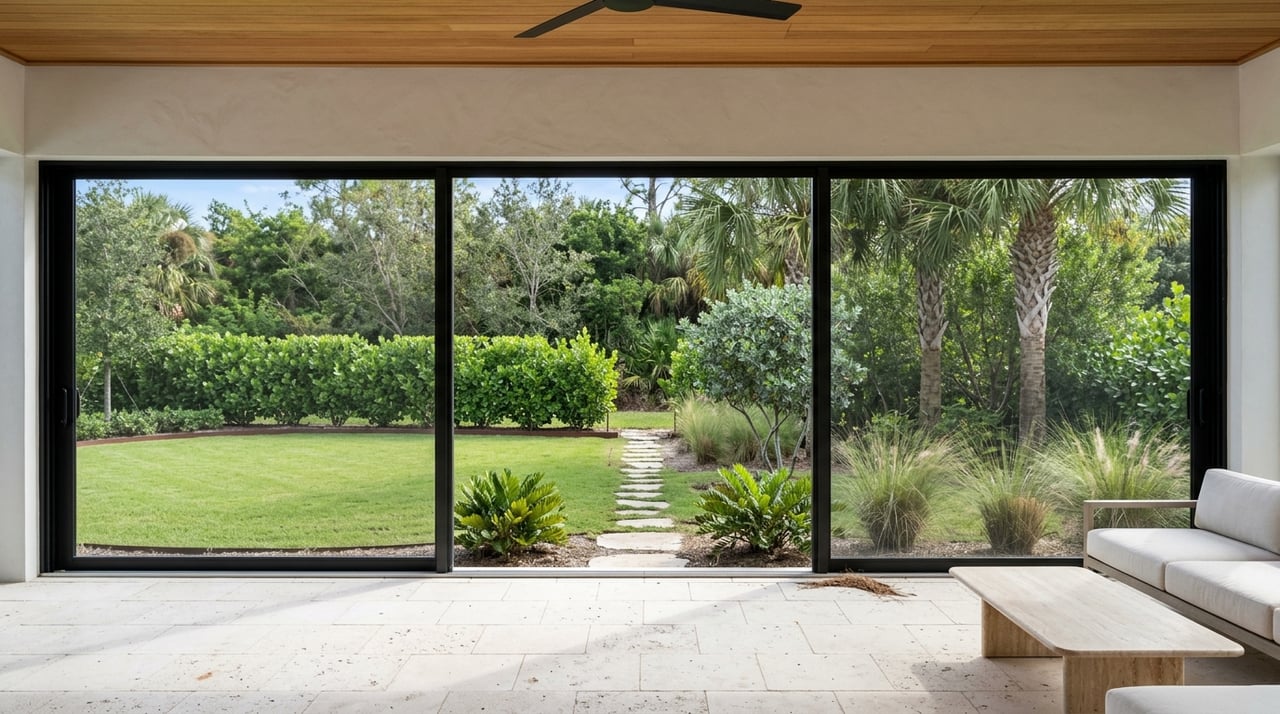
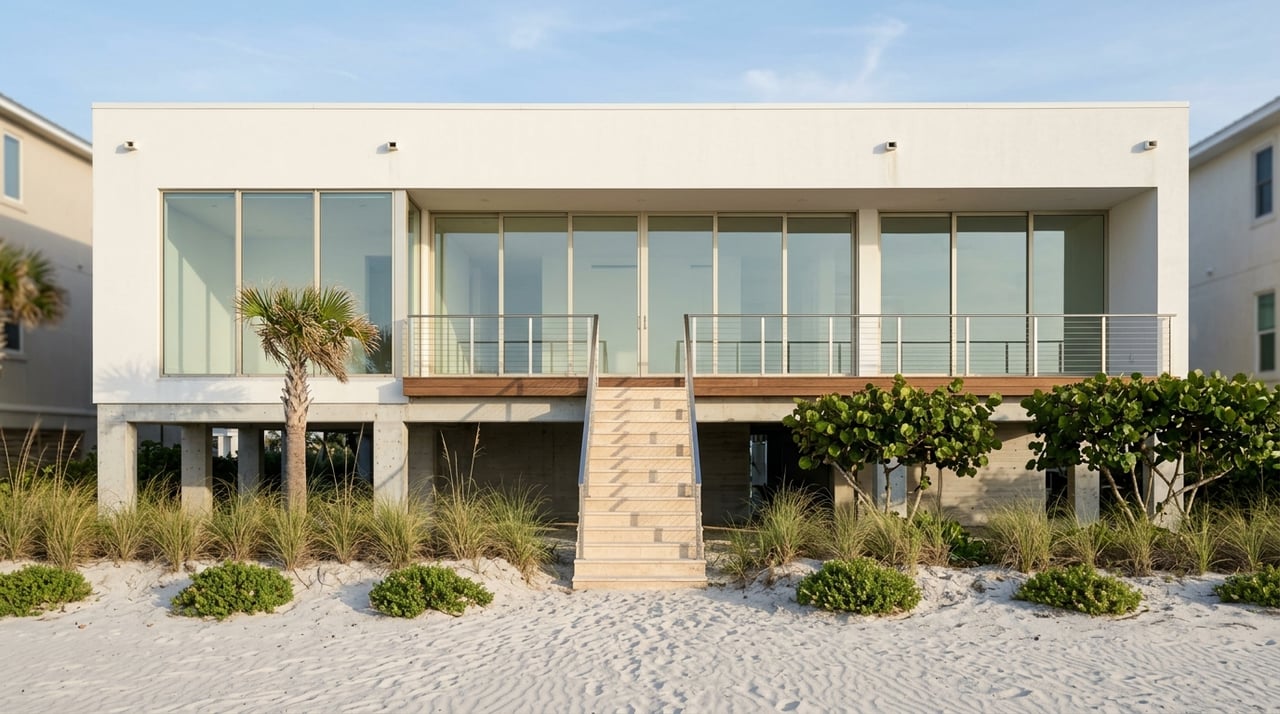
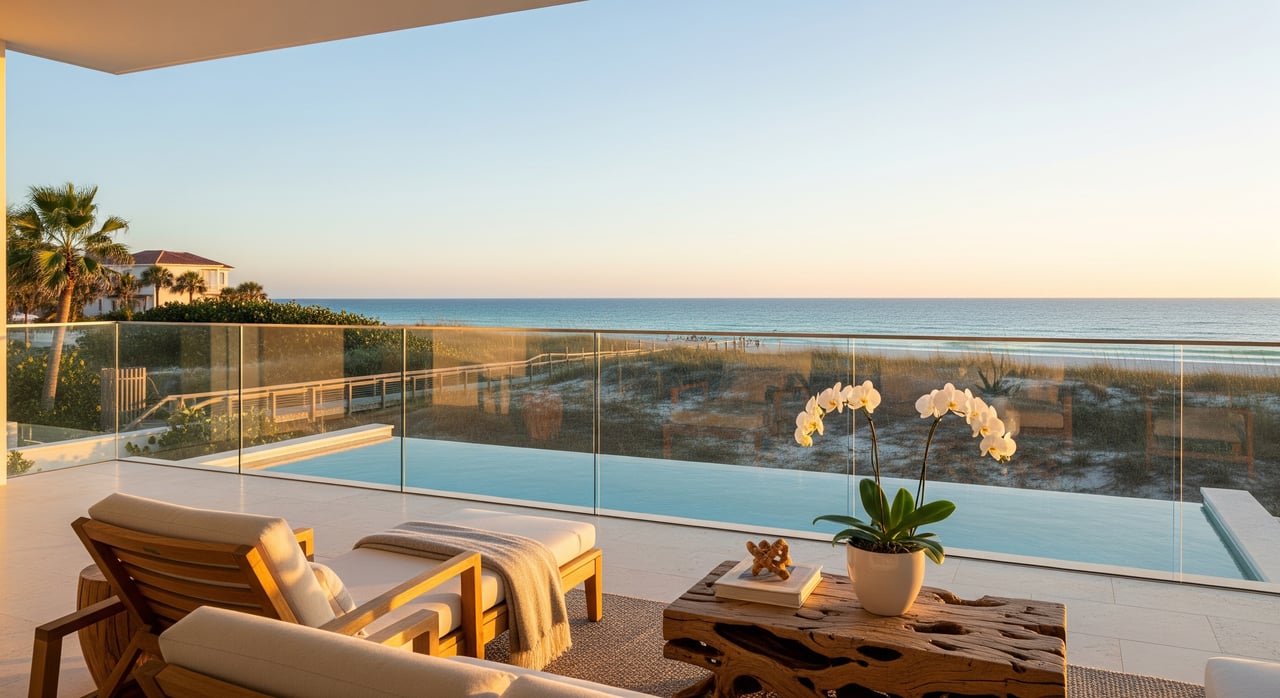
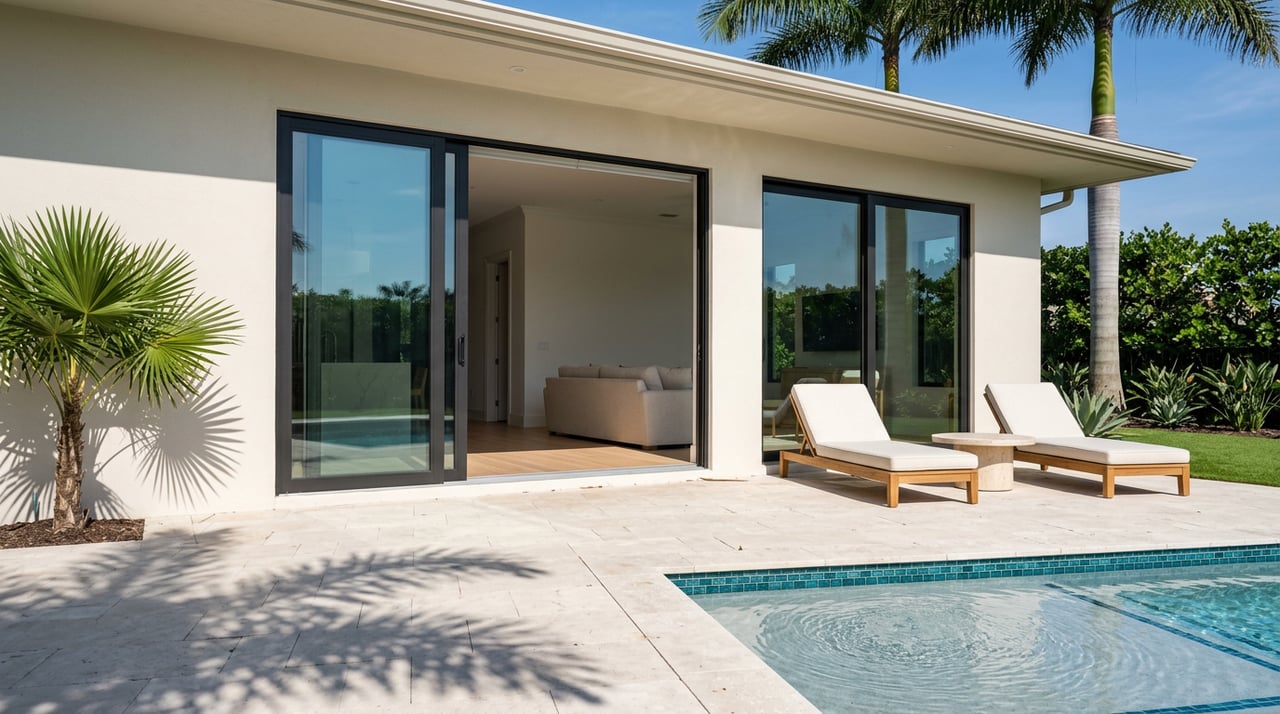
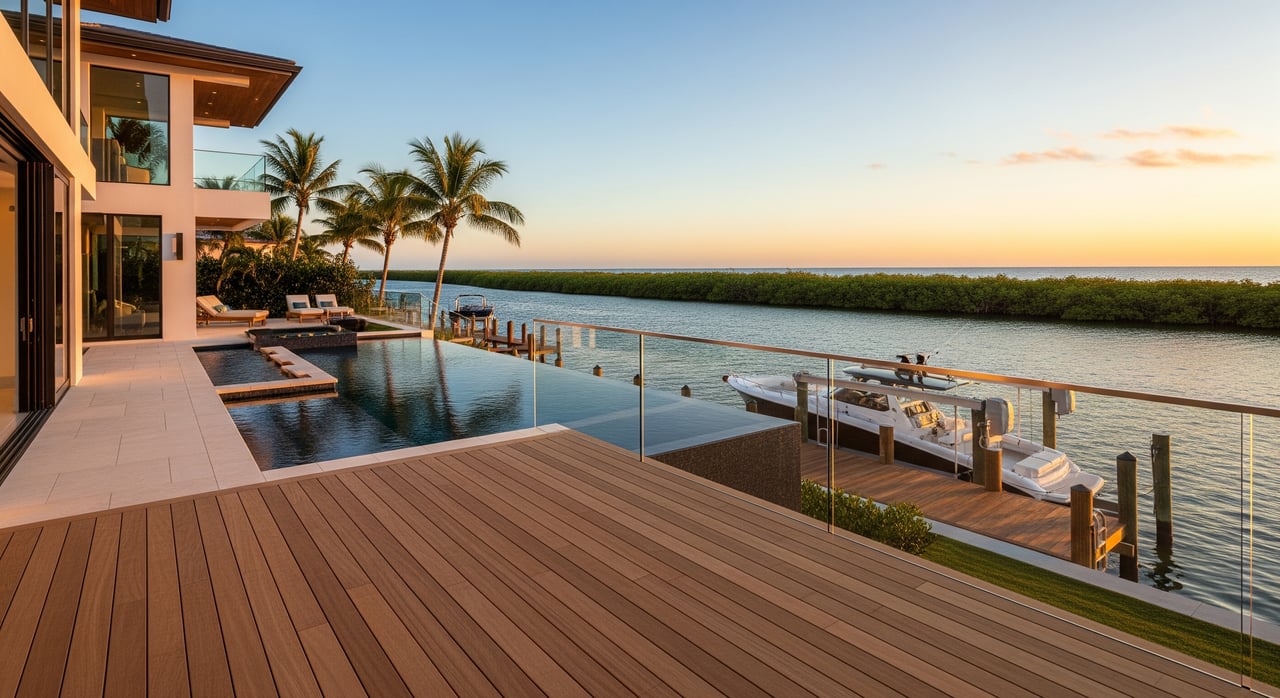
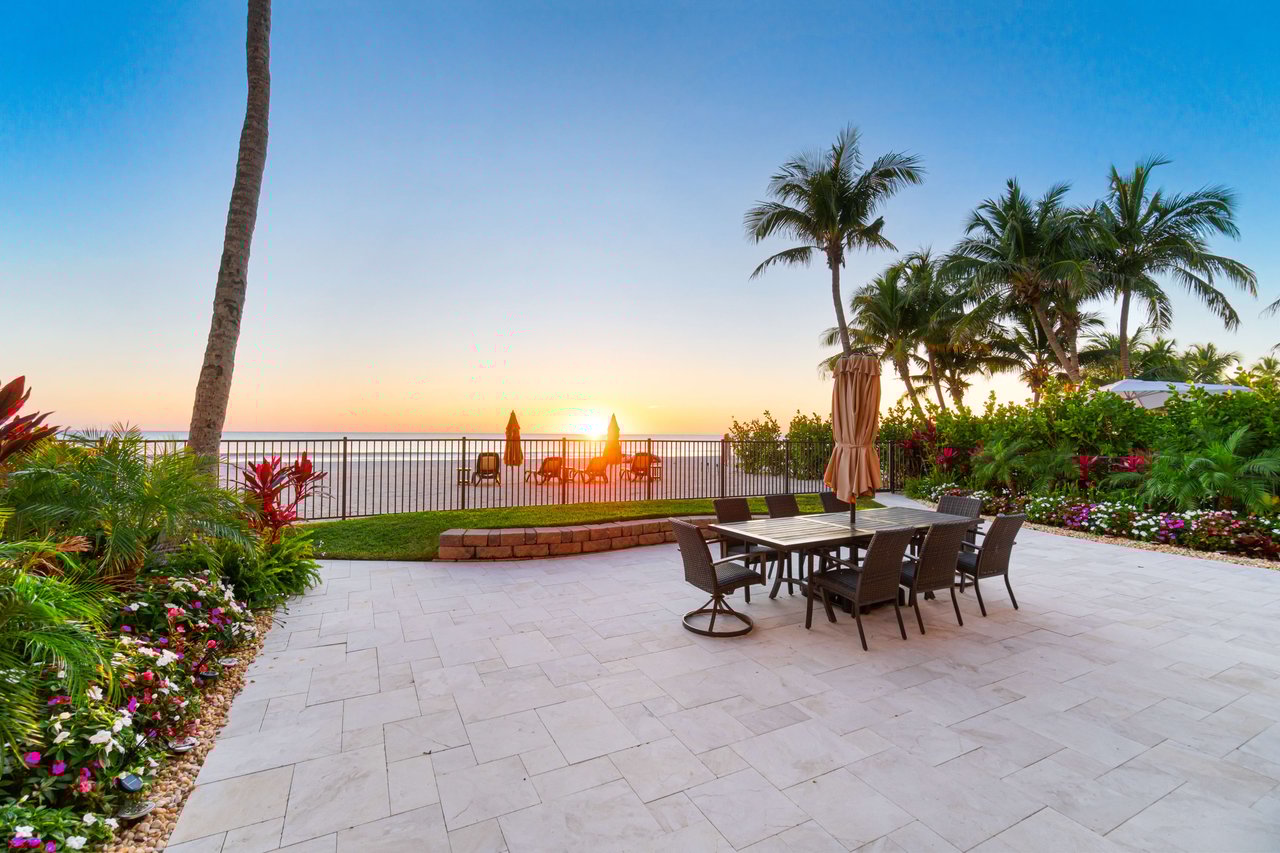
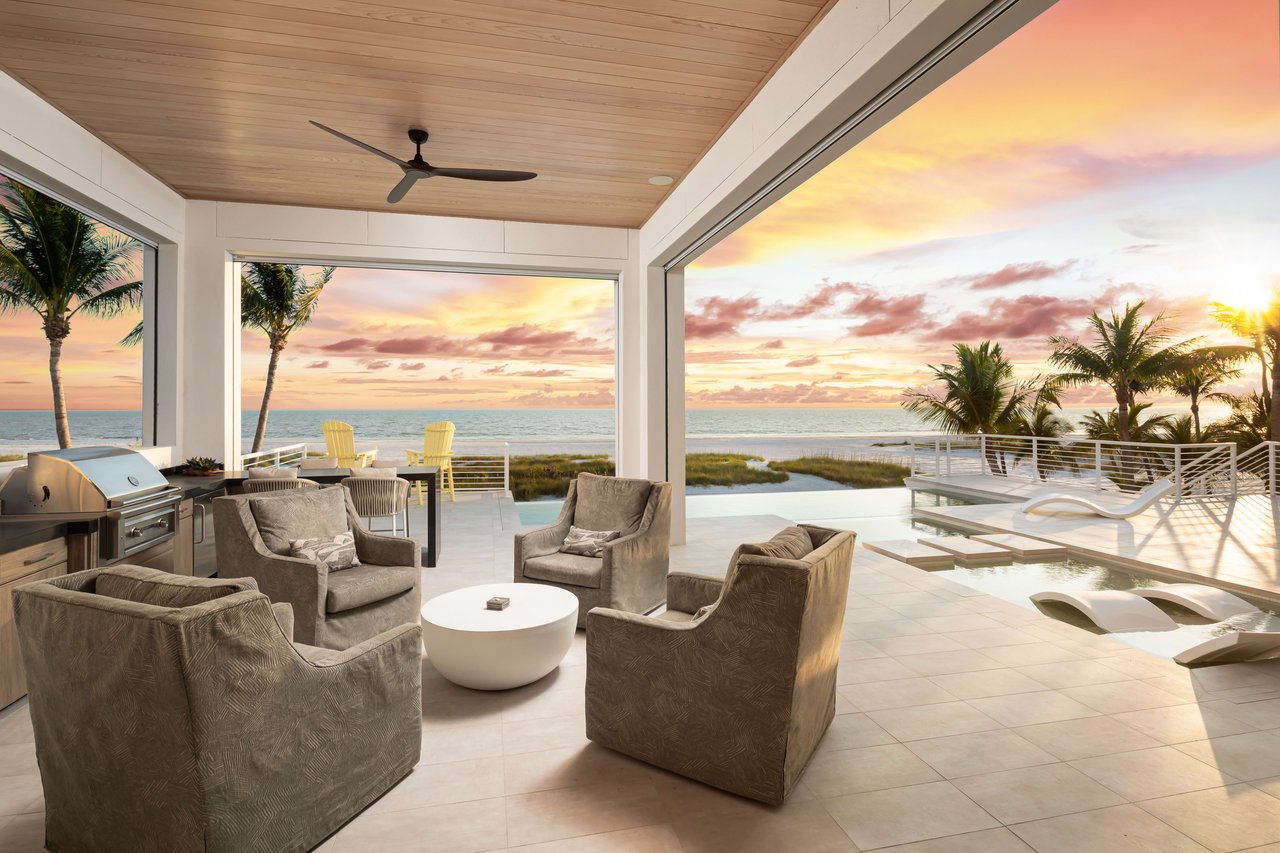
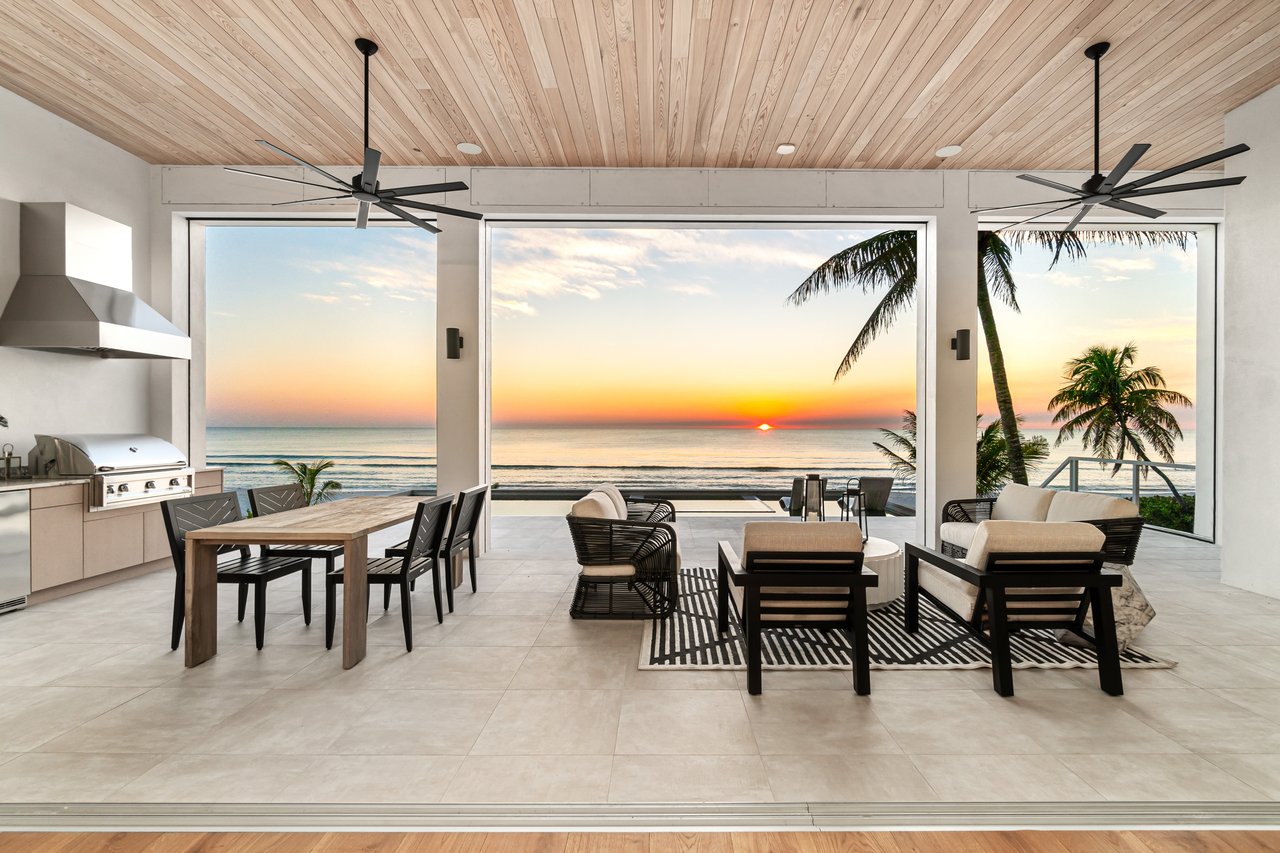
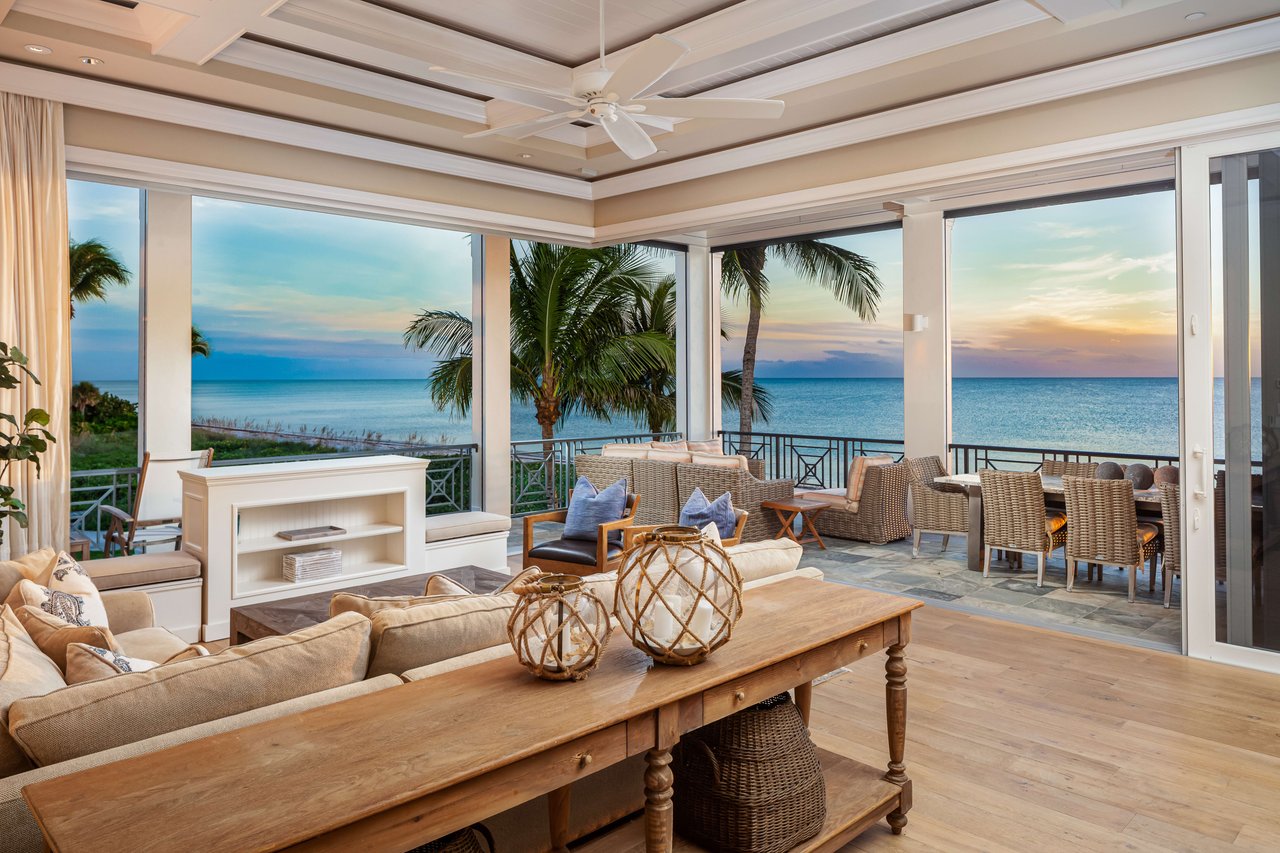
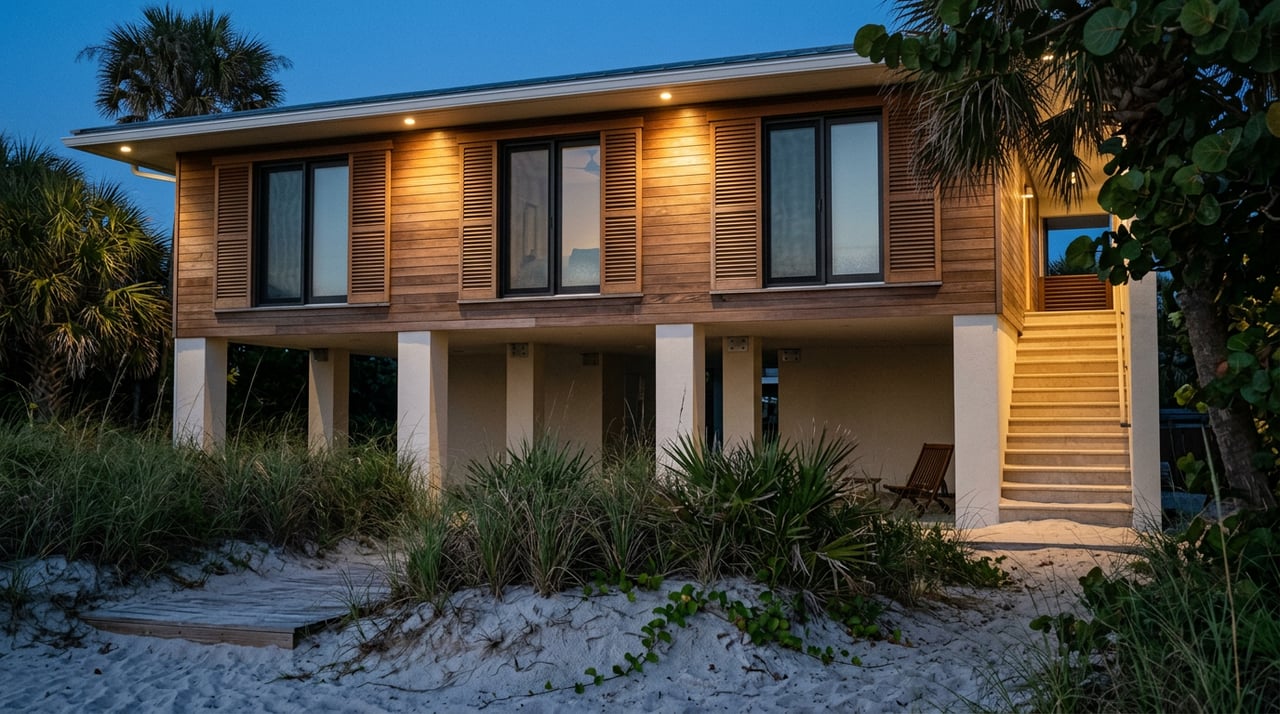
The rule matters because a female loggerhead making landfall will read almost any artificial glow as a reason to abandon the crawl. The rule also explains a lot about how the interior of a Gulf-front residence at Barefoot is designed. The teak-shuttered western elevations, the recessed can lights over the lanai, the amber sconces along stair towers, all of it is doing quiet double duty. What reads as coastal-modern restraint in a broker's photo is also code compliance in August.
For owners who lease during shoulder months, the rule becomes an operational detail worth writing into the house manual. Guests do not intuit it. The FWC reporting line, (888) 404-3922, is the number to leave on the refrigerator alongside the wifi password.
What a Staked Nest Actually Is
The stakes appear because a monitoring team has already been there, usually before sunrise. The Transportation Engineering Department's Sea Turtle monitoring group starts permit-required daily nest surveys on April 15, patrolling and recording sea turtle emergences, including nests and false crawls, along 22.5 miles of Collier County beachfront daily.
The 2026 season opened at Barefoot itself. The Collier County Sea Turtle Protection Team recorded the first sea turtle nest of 2026 on Barefoot Beach, a loggerhead nest that has been staked by the team and will be monitored until the eggs hatch. A false crawl, by contrast, gets marked and left. It means a female came ashore, decided against the site, and returned to the water without depositing eggs. Residents who walk early sometimes see the tracks before the monitors get to them: two parallel tractor-tread lines coming up from the surf, converging at a scraped depression, then curving back.
Incubation runs roughly 55 to 65 days. The nests staked in May will hatch through July. The ones being marked in July and early August are the ones your late-September evenings will be organized around.
Reading the 2025 Numbers Against 2023 and 2024
The scale of the effort is worth putting in perspective, because it explains why the enforcement feels serious. While 2025 wasn't a record year for the number of sea turtle nests on Collier County beaches, with no significant tropical storm activity, it came close: 1,179 nests were recorded on the beaches the county monitors, Barefoot, Vanderbilt, Park Shore, City of Naples and Marco Island, compared to 996 in 2024, with the highest recorded number for the program at 1,273 in 2023.
Two things are worth pulling out of those figures. The first is that 2024's dip was almost certainly weather-driven, not population-driven. The second is that Barefoot is one of five index beaches carrying the county's numbers, and it is by far the least developed of them. A disproportionate share of the county's dune habitat that a nesting female will actually choose sits on Little Hickory Island. That is not a marketing line. It is the reason the monitoring cars come down Barefoot Beach Boulevard first each morning.
Asked why 2025 was such a successful year for sea turtle nests, aside from the lack of major storms, program supervisors credited ongoing long-term conservation efforts, noting that the population seems to be rebounding because of continued conservation work throughout the state for many years. For a homeowner who sometimes wonders whether the 9 p.m. light discipline actually matters, that is the answer.
The Trail Behind the Dune
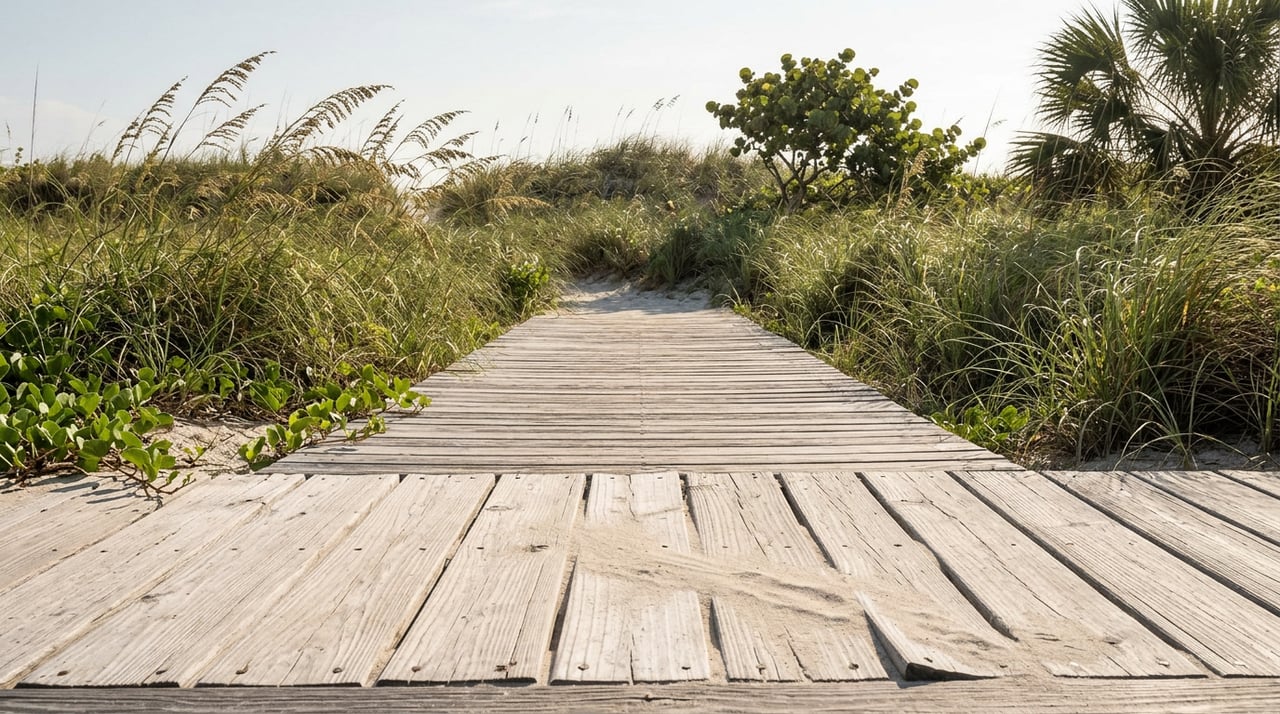
The other wildlife story at Barefoot is happening ten yards behind the beach, and it runs on a different clock. The Saylor Nature Trail is a mile-and-a-half looped hiking trail through Barefoot Beach Preserve, accessible at the south end of parking lot #3 or off the northern path to the beach in parking lot #3, where a hiker can experience many of the native plants and animals of the Preserve.
The trail is where the gopher tortoises live. Barefoot Beach is one of the most reliable places in Southwest Florida to see gopher tortoises, which live in burrows in the dune and scrub habitat behind the beach and are often spotted moving through the preserve, particularly in the cooler parts of the day, though state law prohibits handling or disturbing gopher tortoises or their burrows.
A short field guide to what shares the trail with them:
- Sabal palm and gumbo-limbo groves, the two canopy species that define the tropical coastal hammock inland of the dunes
- Sea oats along the primary dune, the plant most responsible for holding the beach together during storm surge
- Shorebirds and raptors working the tide line at dawn and again in the last hour of light
- Butterfly and cactus gardens adjacent to the Learning Center at parking lot #1
If you are walking with grandchildren visiting in late summer, the trail is a better morning than the beach. It is shaded, it is short, and the odds of a tortoise sighting before 10 a.m. are close to even.
One Change to Know About in 2026
The Friends of Barefoot Beach Preserve, the volunteer organization that has historically staffed the Learning Center and led weekly naturalist programming, has scaled back this year. Naturalist walks and talks will not be offered in the 2026 season. The lecture series is cancelled for 2026 season.
For residents who used to point houseguests toward the Saturday morning talks on snakes or native plants, the alternative for now is self-guided. The plant signs along the Saylor Trail carry QR codes that link to additional information, and the Learning Center displays remain in place. January through April, trained docents are on hand to answer questions and provide information, which is worth knowing for the winter high season but not for August.
The Beach After Five
There is a practical, quiet advantage to the way Barefoot Beach handles late-summer evenings that longtime residents already know and rarely explain to newcomers. The community of Barefoot Beach is gated and the preserve is at the south end, and the fee collection stops after five-ish, so you can enter the community without stopping at the guardhouse in daylight hours, drive through the community to the preserve, and get in for free, which makes it a good sunset spot.
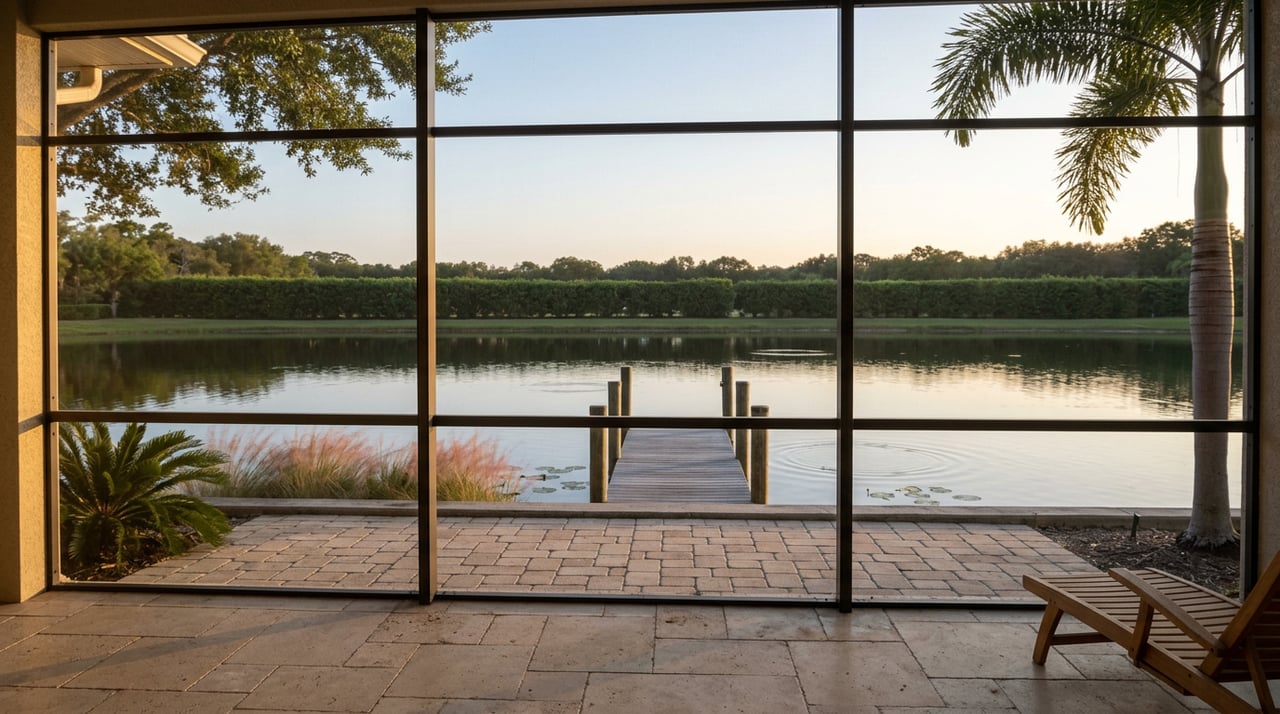
The lot at parking lot #3 clears out. The Gulf turns from turquoise to something closer to pewter. And because the lighting rules that go into effect at 9 p.m. have already been shaping the whole evening's ambient glow, the horizon at dusk is genuinely dark in a way most of Collier County's coastline no longer is.
That darkness is why the hatchlings, when a nest goes, will actually make it to the water.
The Late-Summer Routine
If the season had a resident's cheat sheet, it would read something like this:
- Walk the Saylor Trail before nine, when the tortoises are still moving and the light is still soft
- Note the stake color and orange tape on any new nests along your usual stretch, then give them a wide berth
- Shift the timer on any seaward-facing exterior light so it cuts off before nine
- Pull the lounge chairs and umbrella bases in by 9:30, every night, not just the nights the county truck comes down the beach
- If a hatch happens in front of the building, stand back, do not use a phone flashlight, and let the crawl finish
None of this is difficult. All of it is what makes Barefoot Beach still feel like what it is, one of the last undeveloped barrier islands on Florida's southwest coast, with 8,200 feet of Gulf shoreline running south to Wiggins Pass.
The rules are not an inconvenience of ownership here. They are the reason the ownership is worth what it is.
If you own on Little Hickory Island and are thinking about how the next season, or the next sale, should be shaped around the rhythms that actually define this stretch of coast, The Grant Group works exclusively in these markets and would welcome a conversation. Request a Private Consultation.